As the regulations change within the world of Formula 1, the hierarchy of teams often experiences a shift. It’s common for some teams to navigate the new rules more effectively, discovering beneficial compromises or uncovering novel approaches overlooked by others.
The forthcoming season’s extensive revisions have injected tension throughout the paddock. The incorporation of both new engines and chassis has amplified the complexity of the challenge.
In the past decade, Mercedes’ dominance of F1 was so pronounced that the commercial rights holders voiced worries about its negative impact on spectator interest. Nevertheless, when F1 adopted a car design emphasizing underbody aerodynamics for downforce generation, its initial car under the revised guidelines, though ambitious, contained basic flaws – and Mercedes struggled to match the performance of its competitors.
Extensive efforts have been channeled into ensuring that its 2026 car demonstrates competitive performance from the outset, possibly involving a degree of compromise in this season’s development possibilities, according to trackside engineering director Andrew Shovlin.
“Our trackside focus is entirely on securing second place in the constructors’ championship, and has consistently been,” Shovlin stated. “We’ve maintained discipline as a team, resisting the urge to redirect resources back into this year to introduce a late upgrade that might ease our challenges. Starting strongly with a new set of regulations is paramount.
“Our championship victories have always been built on that foundation. Conversely, with the regulations introduced in 2022, we began from a disadvantage, and progress has been a struggle since then. Therefore, we were determined not to yield to the temptation of revisiting the previous car in [the wind tunnel].
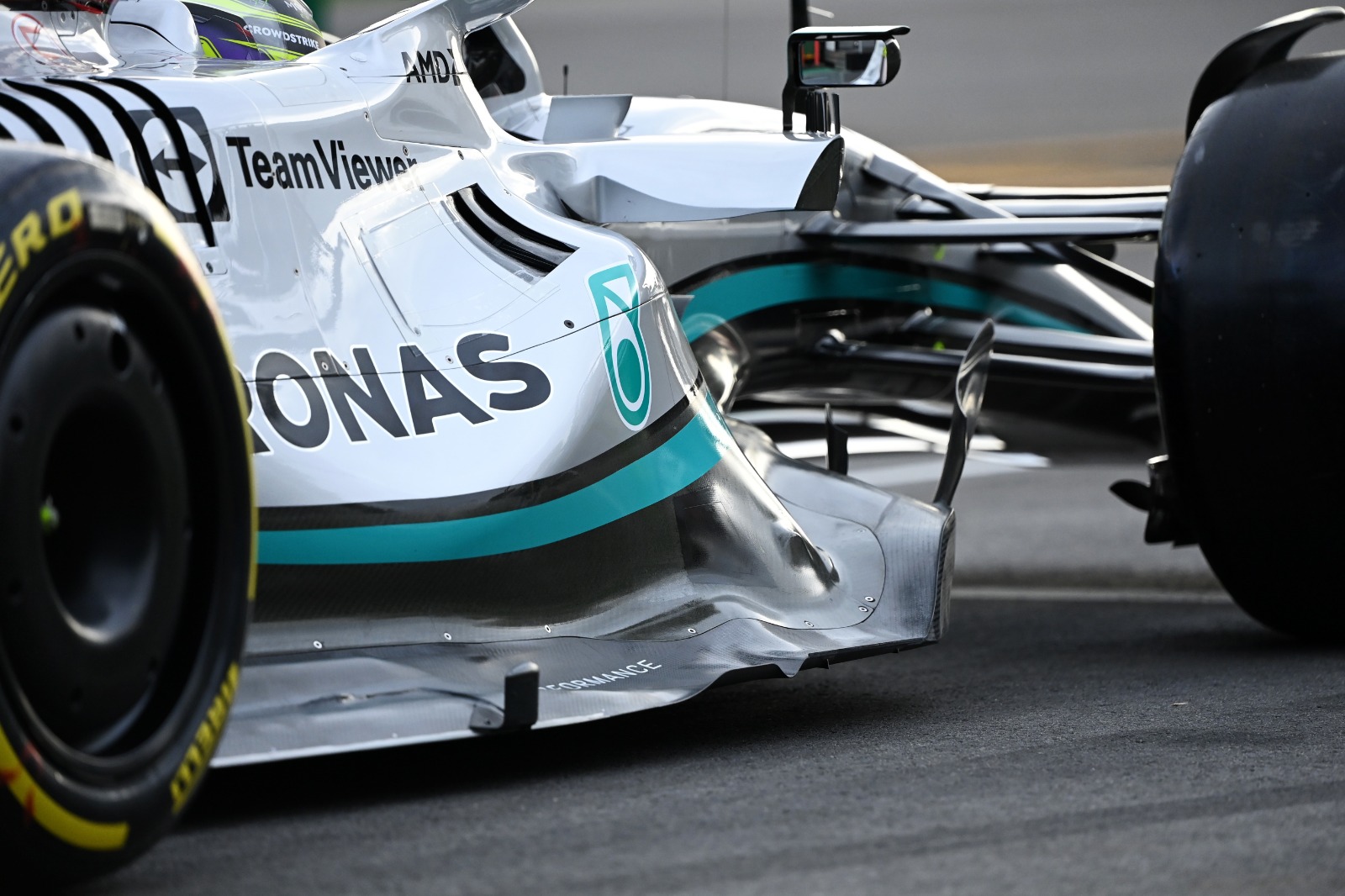
W13’s shortcomings arose from stiff suspension, and floor design requiring ultra-low ride height
“However, the drivers and everyone trackside are committed to achieving that. Red Bull, for instance, recently introduced a floor update. Generally, the teams we anticipate competing with have taken comparable actions, investing significant resources in next year’s development.”
Mercedes’ initial car designed for the ground-effect era, the W13, represented a substantial aerodynamic risk: the power unit and its cooling system were created with a streamlined sidepod design and a large floor surface area in mind. Nevertheless, as Red Bull demonstrated throughout the duration of these rules, until more recent times, chassis dynamics play a crucial role in the efficacy of underbody aerodynamics.
The floor must be positioned closely to the track surface to avoid air intrusion from the sides, which would otherwise disrupt the underbody airflow. Many teams, including Mercedes in its early stages, struggled to find the ideal balance where the suspension could provide sufficient flexibility to reduce tyre stress, while also limiting body movements that interfered with floor performance.
The W13’s performance issues stemmed from multiple contributing factors: a floor design that performed optimally at extremely low ride heights, coupled with overly stiff suspension. As a result, Mercedes faced the most severe challenges with both porpoising and bouncing. After disassembling its sidepod design, the team realized these issues were distinct but correlated phenomena, rather than merely different terms for the same occurrence.
Therefore, inadequate understanding of these factors can worsen issues over time, compelling engineers to alter course and face new challenges along the way.
“In hindsight, achieving a return to a winning position would have been much more straightforward,” Shovlin reflected.
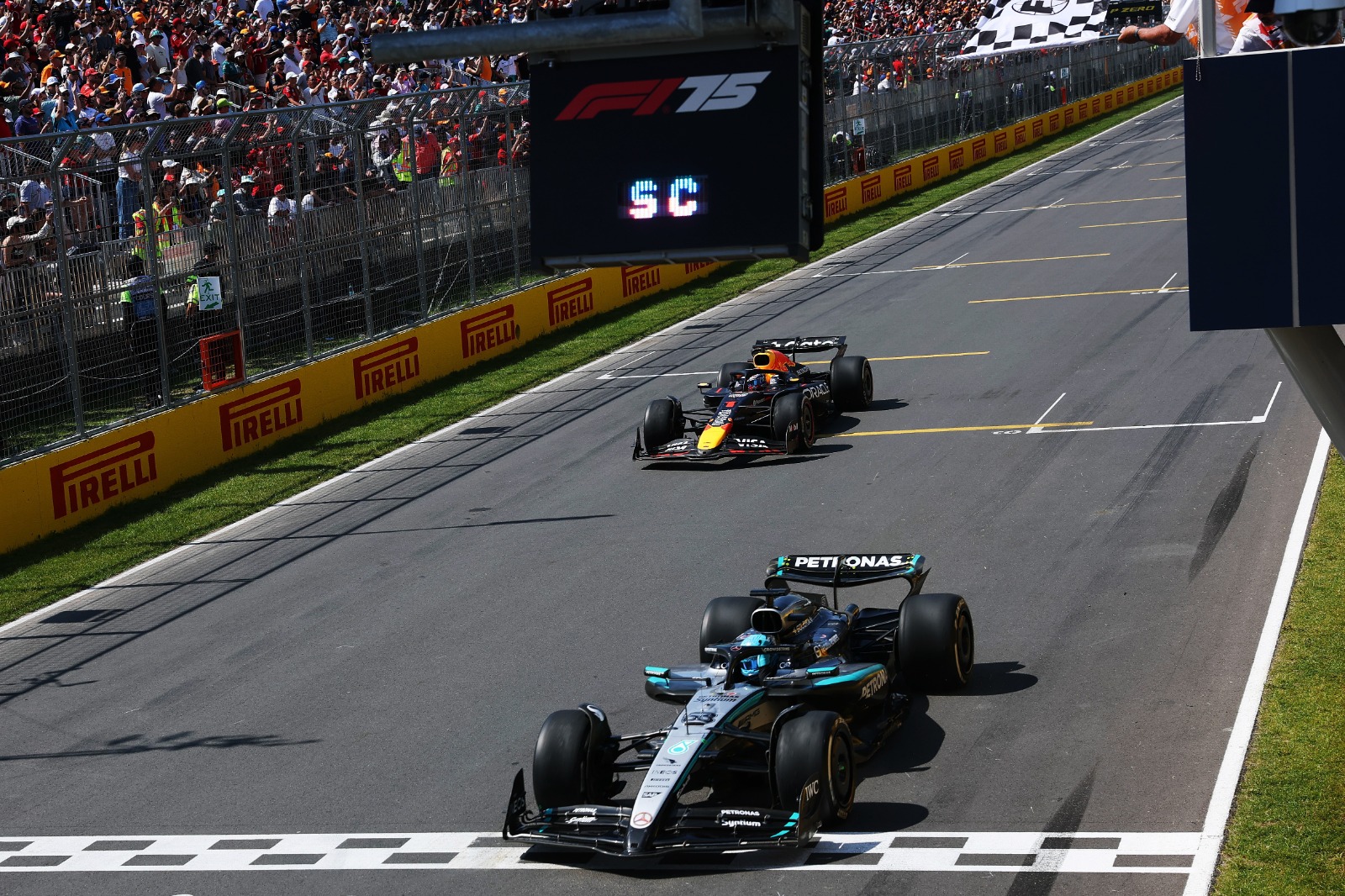
Mercedes won in Canada this season
“Especially knowing what we know now, in relation to those regulations, comprehending how to mitigate car bouncing, and understanding the areas with the greatest potential for improvement. These are all lessons acquired over time, and Red Bull, despite starting competitively, still needed to go through that learning process.
“Being at the front allows for more deliberate decisions regarding the allocation of development resources. In contrast, as we were playing catch-up, we sometimes chose to modify the car’s concept, altering the sidepod design, which essentially meant restarting development.
“This meant taking a step backward, hoping to discover a steeper development curve to recover. However, engineering in Formula 1 would be overly simplistic if we always had the benefit of hindsight.”