The distinctive manner in which Mercedes’ front wing activated its straight-line mode, observed by several Formula 1 competitors, originated from a mechanical fault instead of an intentional advantage, as reported by Autosport.
During the Chinese Grand Prix, Mercedes drew scrutiny from other teams after video footage of Kimi Antonelli, who secured his first race victory, showed his front wing seemingly retracting in a two-step process at the conclusion of straights. This phenomenon fueled speculation about the Brackley-based squad potentially employing illicit tactics for performance benefits.
Formula 1 teams are permitted only two distinct configurations for their front and rear wings—one for corners and one for straights—with FIA rules stipulating a 400-millisecond duration for switching between these states.
Antonelli’s car displayed a double adjustment of its wing, exceeding the allowable timeframe, and it is believed that an anonymous Formula 1 team formally inquired about this matter with the FIA. Ferrari, Mercedes’ primary competitor for the 2026 season, disavowed any involvement in submitting the question.
However, on Thursday morning, Autosport uncovered that this occurrence stemmed from a dependability problem, likely linked to insufficient hydraulic pressure preventing the wing from returning to its elevated configuration.
The FIA reportedly accepted Mercedes’ justification, and the team’s prompt commitment to fixing the fault indicated to the regulatory body that Mercedes considered the front wing anomaly a detriment to performance, not an advantage, given that it disrupts the car’s aerodynamic equilibrium an extra time before braking.
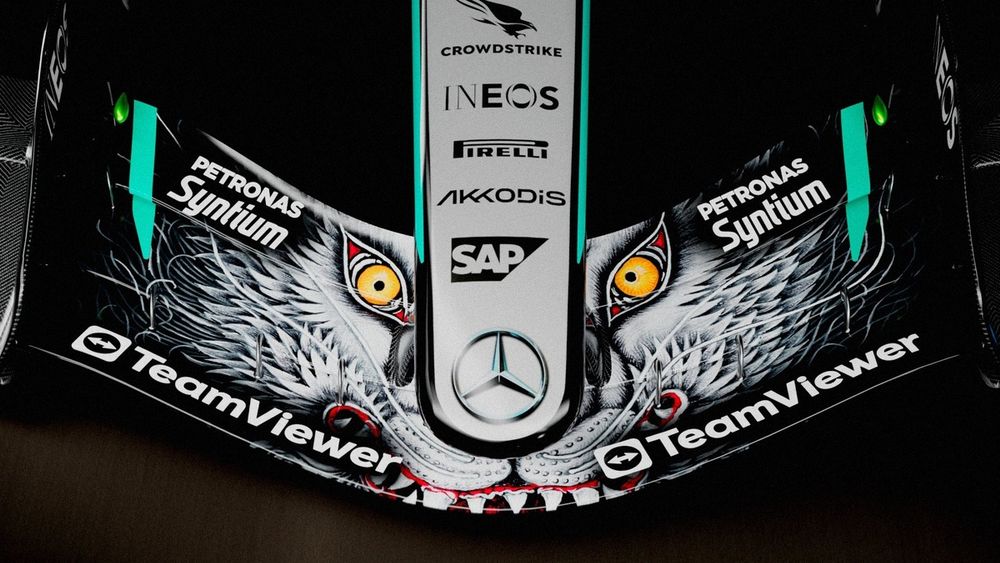
Mercedes Japanese GP livery
Photo by: Mercedes GP Petronas Formula One Team