A significant chapter concludes in Counter-Strike with the veteran professional Gabriel “FalleN” Toledo declaring his departure from competitive play.
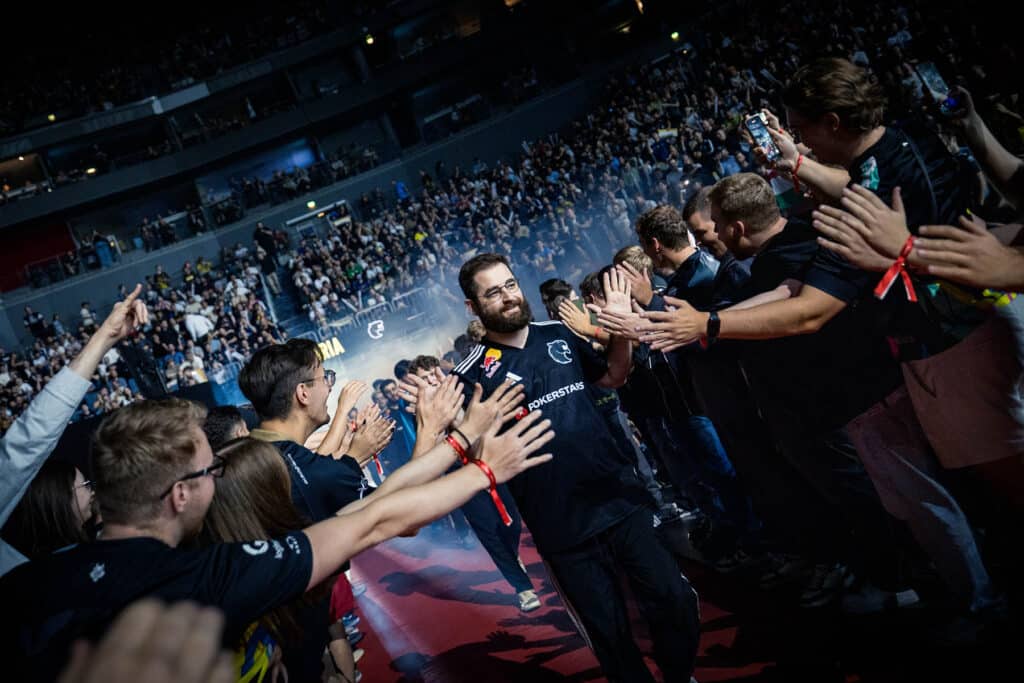
The in-game leader for **FURIA** is set to continue competing through the close of 2026, marking the culmination of his two-decade career. This announcement took place live on stage at IEM Rio, where FalleN delivered a moving address to an enormous assembly of supporters.
“No preparation truly equips you for what I’m going to share today,” stated the revered Professor, as interpreted by ESL. “I spent countless evenings and early hours contemplating the precise words. […] My decision is that by the conclusion of 2026, I will transition to different pursuits within the realm of Counter-Strike. I stand before you now, extending an invitation for all of you to accompany me on this path for another 247 days. There remains much for us to achieve collectively.”
Toledo initiated his competitive journey in 2005 within the 1.6 version, progressively advancing to international competitions. Subsequently, he transitioned to Counter-Strike: Global Offensive, successfully navigating to the premier league. He emerged as one of the most revered in-game leaders ever, consistently securing playoff berths in every major event during his initial competitive years.
In the subsequent phases of his career, he persisted with MIBR and Team Liquid, demonstrating unwavering resolve even when facing inconsistent outcomes. His move to FURIA occurred in 2023, where he played a pivotal role in the squad’s progression to the playoff stages of two major tournaments in 2025.
Toledo frequently receives acclaim for developing the game’s strategic landscape over time and positively impacting both his fellow players and global fanbase. However, this is precisely why I contend his departure from professional play will benefit Counter-Strike.
The Departure of FalleN Might Open Doors for Emerging Talent
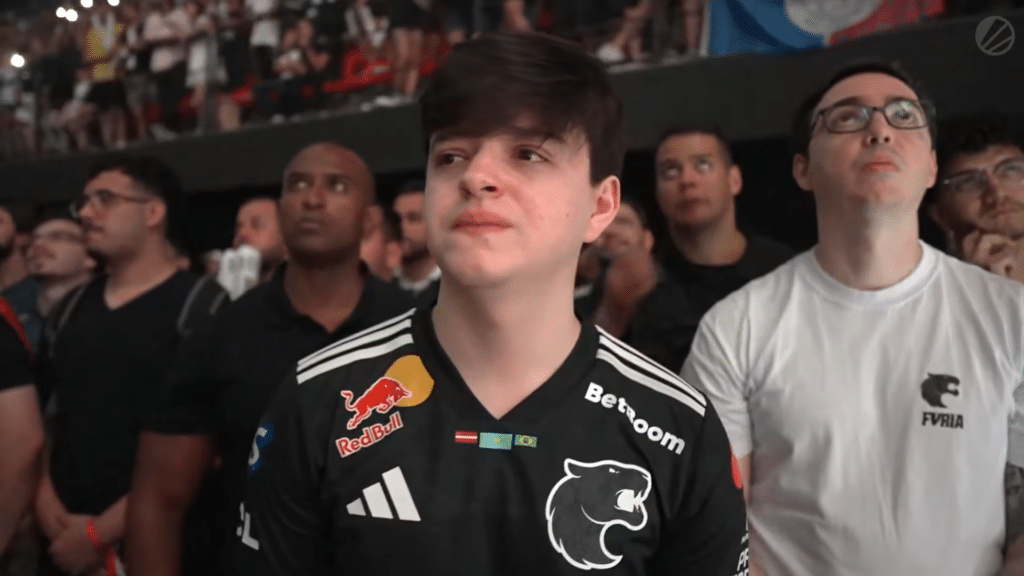
The address delivered by FalleN evoked profound emotion, as both his team members and spectators visibly struggled to contain their tears across the venue. It is evident the immense impact FalleN has had on the Counter-Strike community following more than two decades of competition, yet I personally believe this represents a significant development not only for FalleN himself but also for the broader CS2 landscape.
In the course of his address, Toledo indicated his intention to remain involved in the Counter-Strike esports domain, albeit without disclosing precise details. Nevertheless, he alluded, saying: “Following this, I will be afforded the chance to engage in numerous other endeavors with you beyond the gaming arena, yet with CS forever in my spirit.
“I believe we possess the capability to undertake many additional actions to assist fellow players. To similarly transform their existence through this game.”
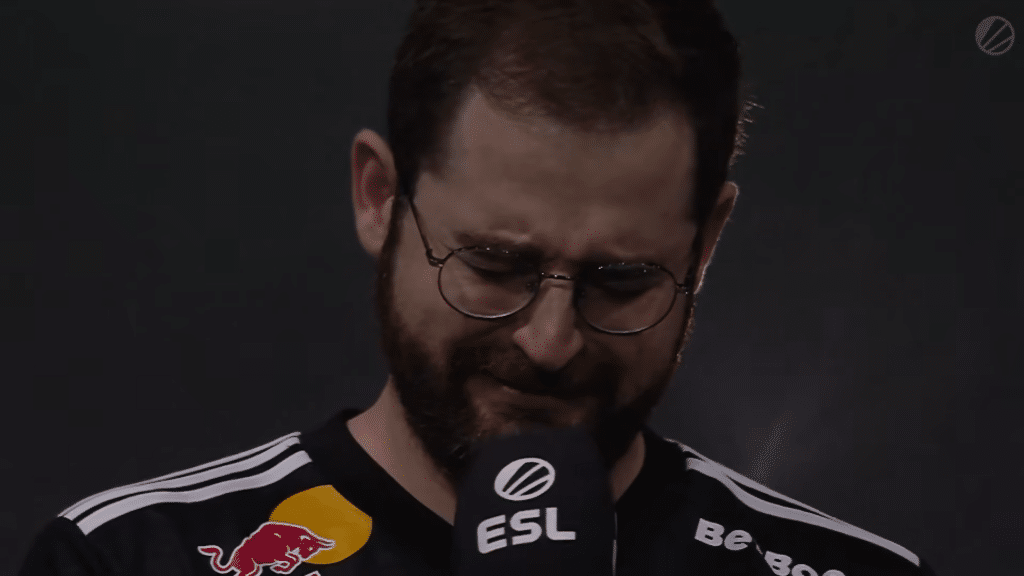
A wave of sadness permeated the atmosphere as everyone perceived the loss of a revered figure, a source of motivation. Even more poignant was witnessing FalleN express his impending longing for everyone before succumbing to tears. Thus, while it might seem unsympathetic, I welcome his decision to step down.
However, my perspective stems from the belief that he is not truly abandoning Counter-Strike. I anticipate he will transition into a supportive, non-competitive capacity, one dedicated to nurturing emerging talent. This kind of contribution is increasingly vital across various esports landscapes.
Secondary and other less prominent esports circuits are widely known to encounter difficulties. VALORANT, for instance, found it necessary to overhaul its complete organizational framework with the aim of preventing the further neglect of its Tier 2 division. Counter-Strike has consistently stood out as one of the rare environments where the Tier 2 level retains a degree of promise, primarily because it lacks a closed franchise model. Teams are not confined; even nascent participants can appear at Major events. Yet, how many Tier 2 squads have actually *claimed victory* in a Major? The majority are overwhelmed once afforded the opportunity to contend against established professionals.
The presence of FalleN, scrutinizing structural weaknesses and guiding nascent players, appears to be a viable method to bolster the Tier 2 category and empower these competitors to challenge established figures in the scene, backed by enhanced organizational assistance.
Additionally, there exists the possibility that Toledo is suggesting a coaching position or a similar function within a particular organization. Should this prove accurate, his expertise would be extraordinarily beneficial to that squad. Whether it involves understanding how to select emerging talents and direct them towards elite competition or offering his wisdom on high-level strategies during events, such a contribution would be an immense gain for the community.
This would hold greater worth than FalleN’s continued participation as a competitor.
This is due to the growing demand for more guiding figures within esports. My thoughts turn to communities such as Super Smash Bros. Melee, where a significant portion of participants are aged over 30, having been active competitors for many years. Instead of concentrating exclusively on their own competitive endeavors, elite players such as Juan “Hungrybox” DeBiedma organize virtual competitions, provide financial backing for local events, arrange travel for aspiring players to tournaments, and offer online coaching.
Other gaming titles do not receive such extensive backing from experienced players. Such support tends to be more confined to isolated instances. If we could create broader opportunities for these hopeful new entrants while simultaneously assigning roles to seasoned professionals that foster community development, it would represent a mutually beneficial outcome.
My aspiration is for FalleN to persist in his involvement, truly embodying the role of the Professor.