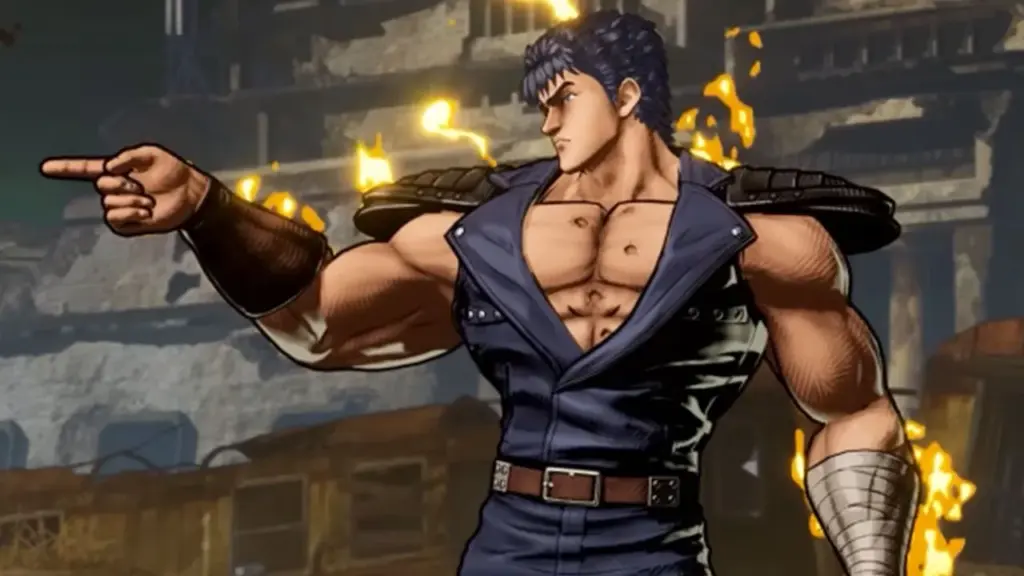
SNK is operating at an unbelievable pace at the moment. They have recently unveiled Season 3 for Fatal Fury: City of the Wolves, showcasing a truly demanding rollout plan. A fresh fighter is set to arrive each month over the next six months, kicking off with the introduction of Rick Strowd.
The underlying approach of the creators is quite obvious. Their goal is to construct a continuous stream of new material. Those who develop fighting games understand that the most effective method for drawing the community back to their game is to regularly offer them exciting new content to experiment with.
However, with the character selection growing at an incredibly rapid rate, a major dispute is dividing the fighting game scene. Is the studio providing a diverse array of distinct playstyles, or are they merely presenting the same fundamental mechanics dressed up in a new aesthetic?
The copy-and-paste combat dilemma
The team behind Fatal Fury recognizes the demand for additional material, which might have resulted in somewhat hurried downloadable additions. Prior to Evo Las Vegas 2026, I spoke with Producer Shinya Tamaki and Director Hayato Konya, both of whom expressed strong conviction that their upcoming roster additions were polished, carefully designed, and capable of re-engaging players who drifted away during a long stretch without major updates.
While this massive influx of content looks spectacular on their development timeline, the excitement fades quickly when the hands-on experience begins to feel overly monotonous.
Personally, I do not believe the developers deliberately designed uninspired or uniform characters just to meet this aggressive delivery timeline; however, highly experienced players in the community appear convinced of this. Their deep understanding of the genre gives their perspective significant weight.
Renowned competitor Christopher “NYChrisG” Gonzalez lately highlighted a major issue that has resonated with numerous high-level players. The current trouble with Fatal Fury is that, even as the selection of fighters expands, the core mechanics of each character feel extraordinarily uniform underneath the surface.
Because the game’s global systems are so overbearing, every single fighter relies on the identical strategic blueprint. Players simply press an advantage-on-block button, transition into an EX special, and cycle through the sequence again. While one might have access to a command throw or an anti-air uppercut, the fundamental loop remains completely static.
Ever since Kenshiro was introduced, players have essentially been viewing variations of the identical combo sequence shared over and over online. The title simply lacks that spark of sauce. It fails to deliver the distinctive style, creative flair, and individual identity that render top-tier competitive play captivating to witness.
The pitfall of comparing with Street Fighter
Any time a criticism of this nature arises, the automatic reaction of dedicated community members is to draw comparisons with rival franchises. An event planner within the community observed this very dynamic, noting how supporters instantly deflect the criticism by claiming that Street Fighter 6 suffers from the identical problem.
However, attempting to diminish Street Fighter 6 is an ineffective method for presenting City of the Wolves as a compelling option. Pointing fingers elsewhere does not resolve the reality that the present state of competitive play reveals a gameplay cycle that simply fails to captivate players.
Without a doubt, Street Fighter 6 boasts far more stylistic depth. The roster in that title features highly individualized and expressive personalities that alter the core dynamics of matches, which largely explains why it dominates the spotlight.
Within the scene, the term ‘sauce’ refers to the richness and depth of a game’s cast. It asks whether the fighters, alongside their individual toolkits and sequence strings, stand apart from one another. Can you defeat rivals with flashy, personalized maneuvers? Are they simply incredibly impressive?
From this perspective, ‘sauce’ is highly subjective. Although it is a measurable reality that certain titles feature more uniform combat moves and archetypes than others, deciding which fighters are genuinely exciting or entertaining is ultimately a personal judgment. Personally, I would argue that Soul Calibur displays far more of this creative flair than Street Fighter 6.
For my taste, Street Fighter 6 comes across as slightly rigid. After all, what could be more spectacular than Voldo crawling backward onto opponents, launching them upward, spinning like a wheel, and detonating? Jokes aside, the roster of Soul Calibur is highly diverse, with each combatant remaining faithful to their signature weaponry and combat styles. Furthermore, once mastered, they allow for remarkably breathtaking maneuvers.
Even so, a vast number of players believe Street Fighter is packed with flair. It offers numerous combatants with tricky offensive mixups and elaborate combo variations. On the other hand, many would claim that Fatal Fury possesses its own brand of flair, courtesy of its REV system, though I tend to view that mechanic as highly technical and execution-heavy rather than flashy.
Actually, I consider Fatal Fury to be more demanding in terms of execution than Street Fighter. There is a lively ongoing discussion regarding whether Fatal Fury demands higher proficiency and precision. Yet, this complexity does not guarantee that every combatant feels distinct or one-of-a-kind. I would also assert that maintaining complete individuality across a rapidly expanding cast is an immense challenge when simultaneously trying to preserve game balance and competitive integrity.
Roster size versus design depth
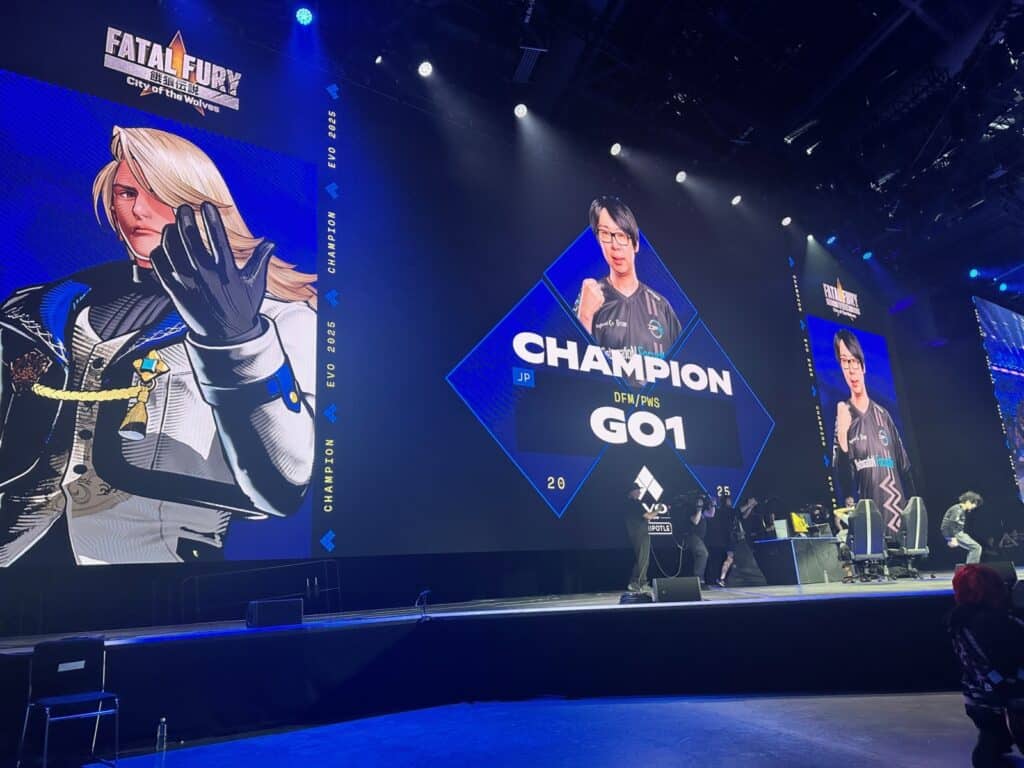
This places Fatal Fury in a challenging position. Introducing ten additional combatants within a year is a remarkable achievement, but the depth of design must equal the speed of release. Should the upcoming additions fail to introduce fundamentally distinct playstyles, the title will find it difficult to gain traction among the wider gaming audience.
An expansive list of characters is highly appealing on a storefront, but if each new addition merely follows the identical systematic flow, interest among active players will rapidly decline.
Unless SNK introduces authentic diversity and excitement to the in-game mechanics, this title will continue to be eclipsed by industry heavyweights. Street Fighter 6 boasts enormous statistics—in terms of tournament sign-ups and spectators—dwarfing those of Fatal Fury. With a constant stream of new fighting game releases competing for attention, what is the outlook for Fatal Fury? Is it destined to fade into obscurity if it cannot distinguish itself?
This pressure is presumably what is driving the creators to fast-track new additions. Their motivation is entirely understandable, but one can only hope that these intense efforts yield long-term success.