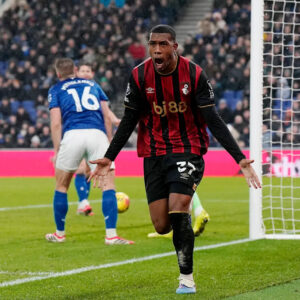
For more than ten years, Manchester United used the transfer market as a massive promotional platform, pouring in excess of a billion pounds into high-profile superstars while the actual squad deteriorated on the pitch.
They prioritized social media influence over tactical suitability, willingly paid inflated fees, and locked themselves into a destructive pattern of excessive player salaries and fractured squad dynamics. Fortunately, those days have now come to an end.
By refusing to pay ridiculous asking prices and focusing on players with established Premier League credentials, here is why the Red Devils have finally restored faith in their recruitment strategy.
The Red Devils pursued the world’s most famous superstars—and paid astronomical prices for them
Once Sir Alex Ferguson retired, Manchester United seemed to function less like a sporting institution and more like an online content engine. The marketing team stumbled upon a highly profitable strategy: recruit global superstars, capture internet attention, and watch merchandise sales and endorsement partnerships skyrocket, generating the capital to pursue even more high-profile talent.
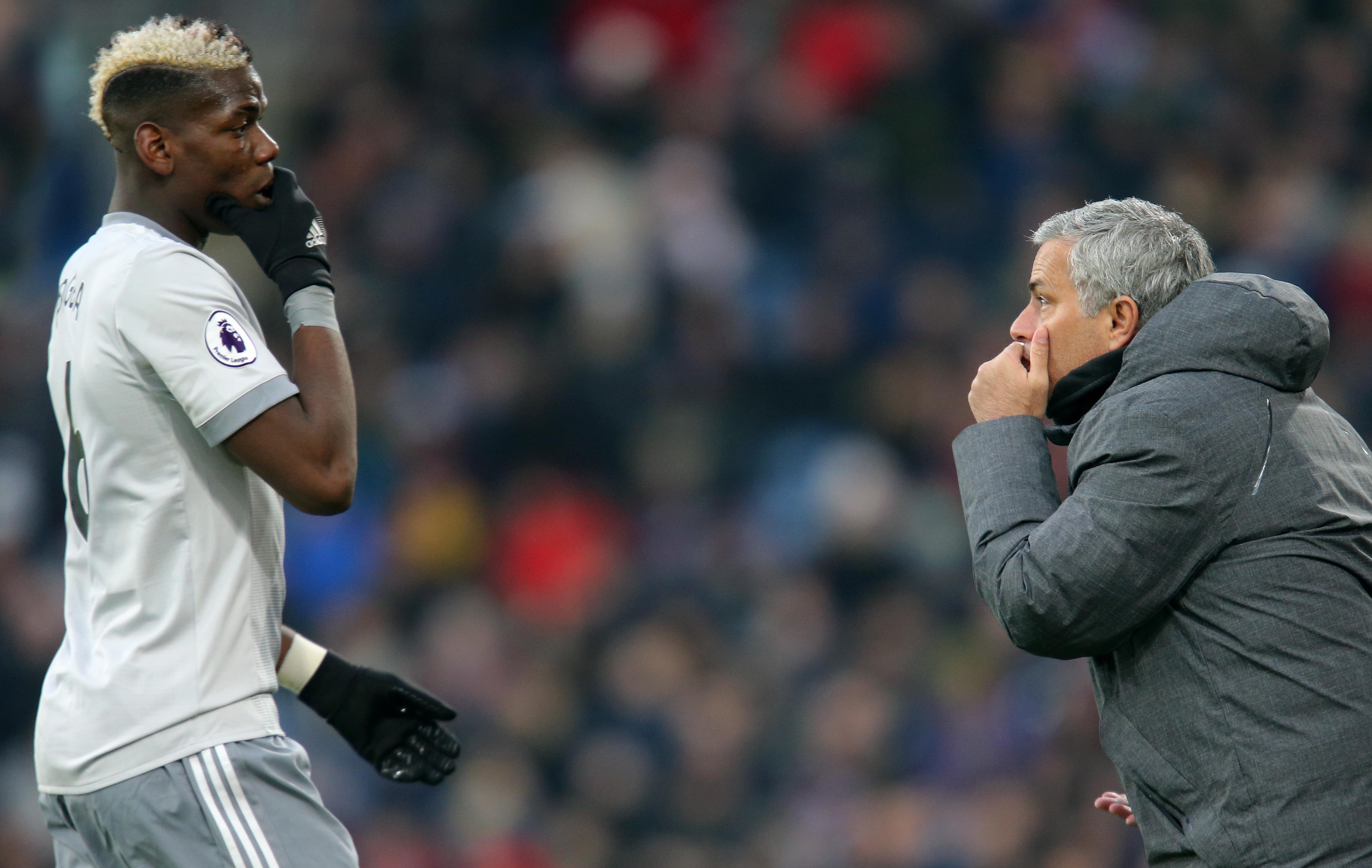
This loop kept repeating. Acquisitions like Angel Di Maria, Paul Pogba, Alexis Sanchez, Romelu Lukaku, and the nostalgic return of Cristiano Ronaldo were often less about tactical fit and more about corporate brand promotion.
From a corporate perspective, these signings were massive successes. The social media campaign for Pogba’s return went viral under #Pogback, while Sanchez’s piano-playing reveal generated millions of views. However, the performance on the pitch told a completely different, troubling story.
Over the course of a decade under five different full-time head coaches, the club remained one of the biggest spenders on the continent, shelling out a massive £1.5 billion on signings in the post-Ferguson era. Despite this astronomical outlay, there was very little on-field success to show for it beyond a handful of minor cups that pale in comparison to the club’s grand history.
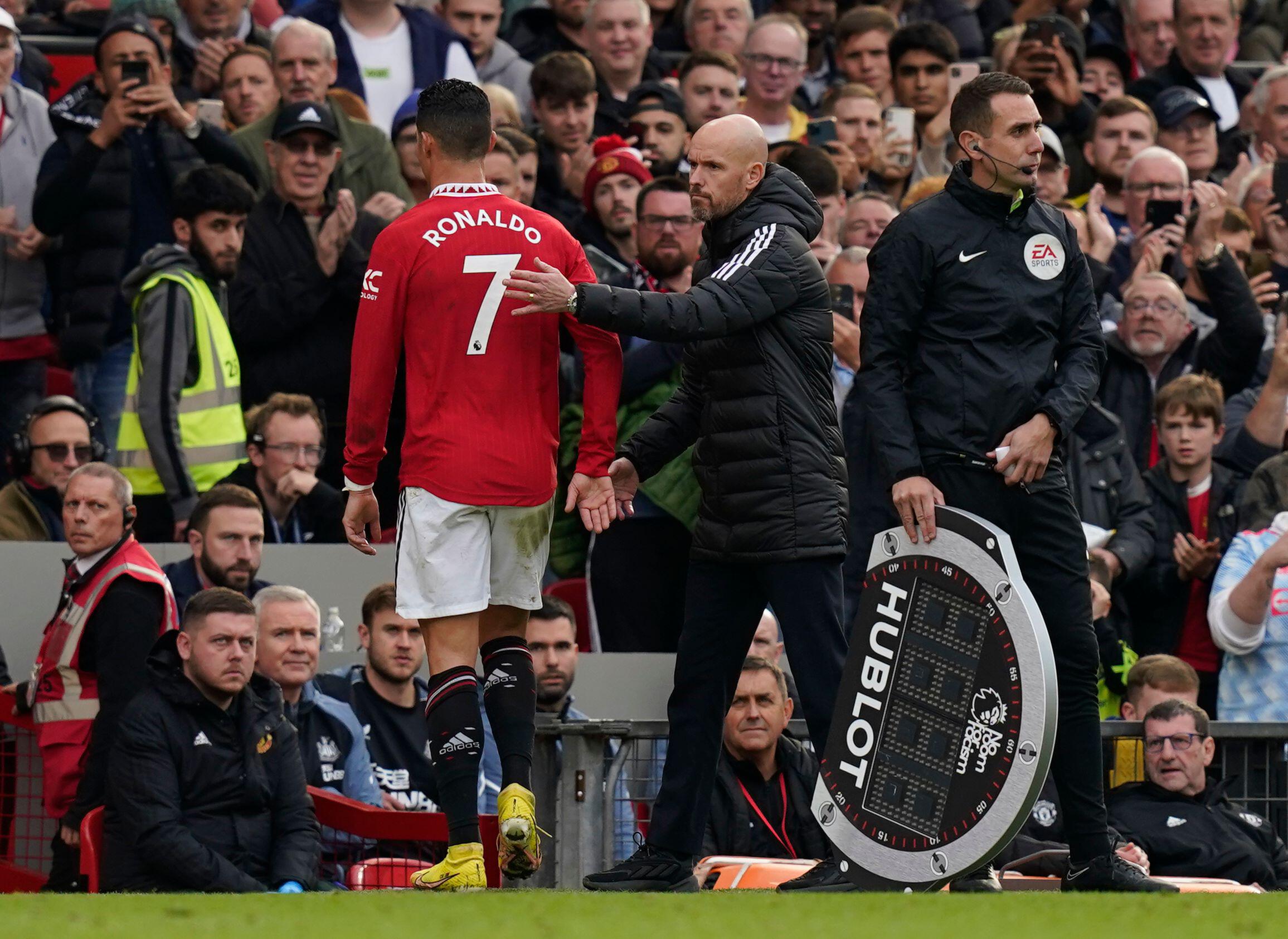
The internal mismatch was inevitable. Managers were constantly presented with high-priced individual stars rather than cohesive, system-compatible players. Louis van Gaal sought disciplined tactical fits but received flashy superstars instead. Jose Mourinho requested physical defensive reinforcements but was handed marketing assets with massive egos. Meanwhile, Ole Gunnar Solskjaer’s dynamic counter-attacking setup was completely derailed by the signing of an elder Cristiano Ronaldo.
The club continually made the wrong choices at the wrong moments. The overarching takeaway was glaringly clear: while social media buzz drives immediate digital engagement, a club is bound for long-term athletic decline without a cohesive tactical identity.
This issue was most destructive during negotiations. Rivals across Europe were fully aware that United lacked a sophisticated scouting network, possessed deep pockets due to their commercial power, and were desperate to return to glory by acquiring the next big name. Consequently, selling clubs routinely inflated their prices. It was a classic case of getting ripped off, yet United repeatedly paid the premium without learning from their mistakes. This pattern led directly to the creation of the infamous “United tax.”
When Ajax asked for £86 million for Antony—a winger whose market value was easily half that amount just months prior—the club met their demands. When Leicester refused to budge on an £80 million price tag for Harry Maguire, a sum Manchester City flatly rejected as excessive, United gave in.
A highly dysfunctional salary scale
Even more damaging than the bloated transfer fees was the club’s broken pay scale. To entice elite stars to sign for a team struggling in the Europa League, United offered incredibly lucrative, long-term deals.
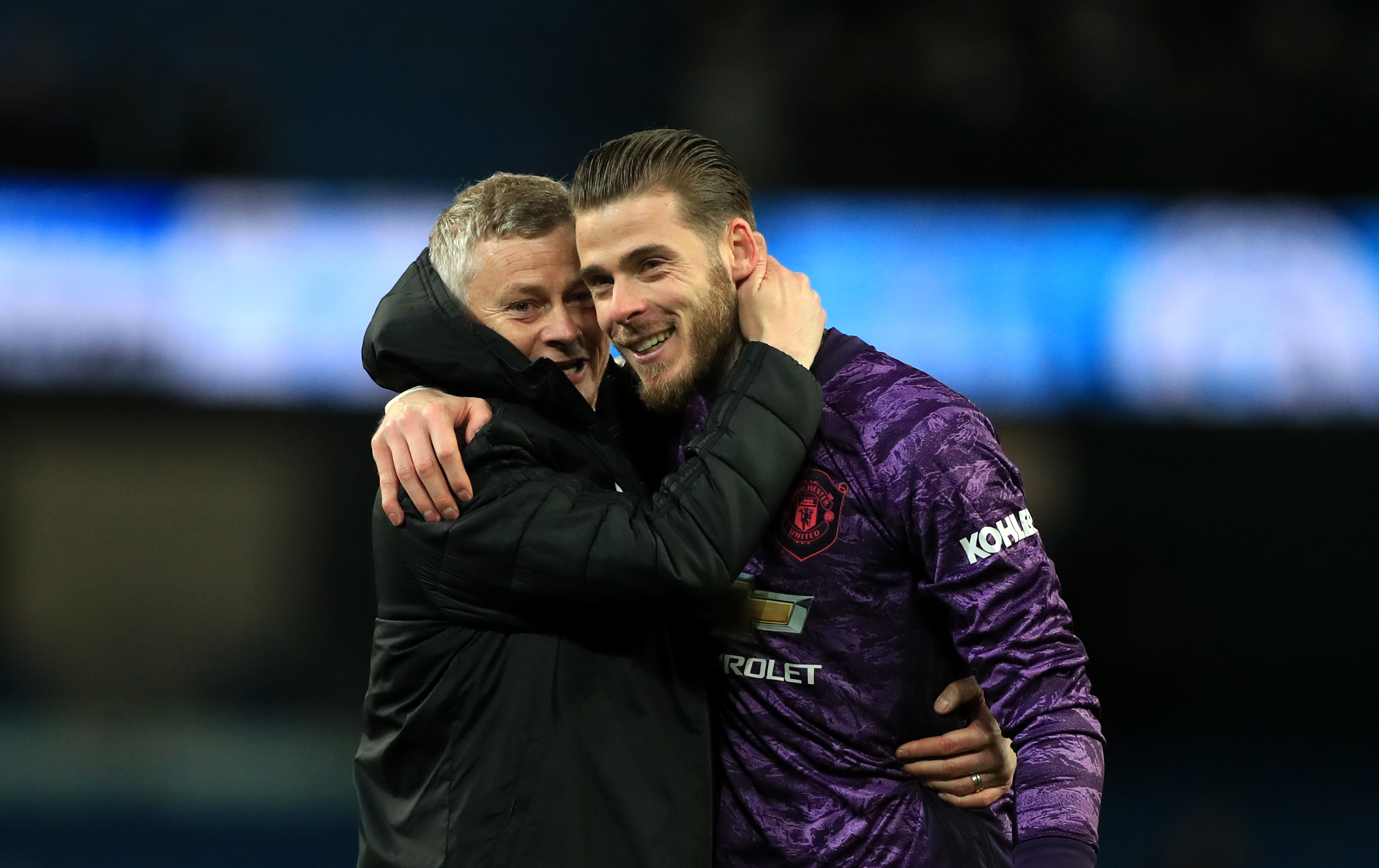
Alexis Sanchez took home close to half a million pounds weekly, while David De Gea emerged as the best-compensated goalkeeper ever. Even with persistent transfer links away, these massive commitments caused a decade-long financial deadlock. Whenever a high-earning player struggled on the pitch, offloading them became impossible. Virtually no European side could match the compensation of United’s reserves. Consequently, squad members like Anthony Martial, Donny van de Beek, and Eric Bailly remained on the books for years, draining massive resources while their resale values plummeted to nothing.
The situation was equally chaotic behind the scenes. When established squad members or new arrivals observed colleagues making £300,000 a week, it naturally inflated salary expectations across the board. This completely disrupted the squad’s internal hierarchy and severely restricted United’s financial agility, forcing them into high-risk decisions or massive losses just to clear space.
The club’s most significant vulnerability was their inability to simply walk away from bad negotiations. By consistently overspending, they created a financial trap that locked underperforming players in place while locking sporting success out.
Perhaps the most glaring example of this mismanagement was Jadon Sancho: acquired for £73 million, he endured five highly inconsistent years interrupted by loan stints, collected hundreds of thousands of pounds weekly, and ultimately departed without bringing in any transfer fee.
Given this background, how has INEOS managed to shift the trajectory since assuming control? And why does this shift feel like a fundamental cultural transformation rather than just a sporting adjustment?
Old Trafford never missed a star attraction; they simply lacked a supporting structure
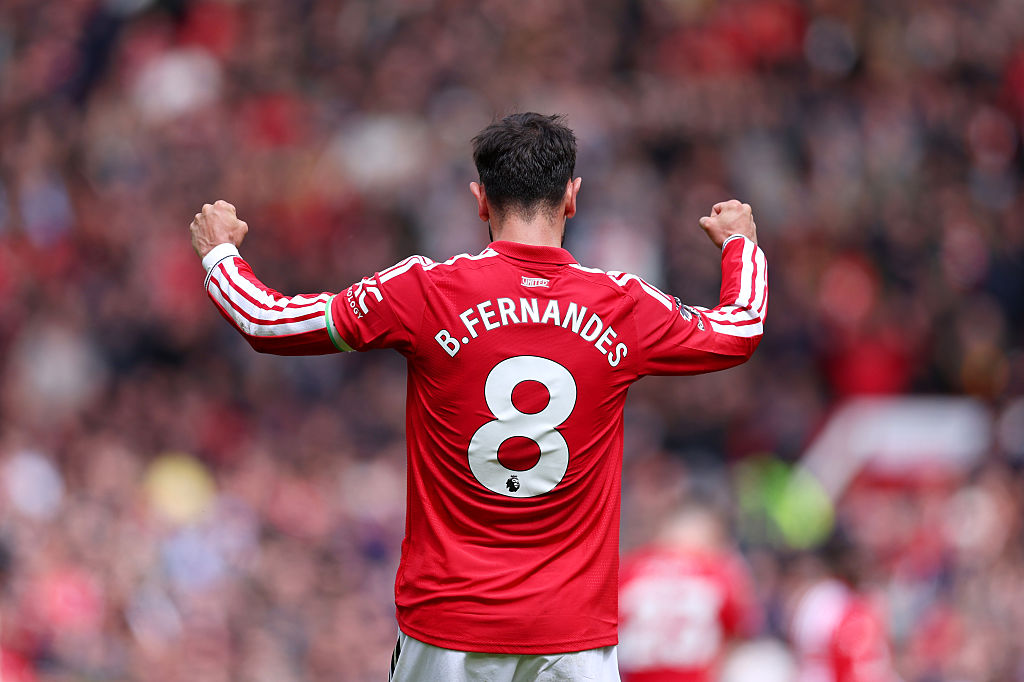
Historically, United’s triumphs always seemed to revolve around an iconic, charismatic figurehead—one or two extraordinary talents supported by a dedicated group of hard workers. Legends like Cantona, Beckham, Ronaldo, and Rooney drove the club to countless trophies. Yet, those triumphs would have been impossible without the contributions of unsung heroes like Neville, O’Shea, Carrick, and Park. However, that was a different era.
Bruno Fernandes has consistently ranked among the Premier League’s top performers for several seasons. Yet, due to a lack of quality surrounding him, his individual brilliance hasn’t translated into sustained team trophies. Since his arrival in 2020, his creative statistics have been phenomenal, leading Europe’s major leagues in chances generated. However, leaning so heavily on a single player to create, press, and lead created a fragile system. If Bruno struggled, the entire team ground to a halt.
Unfortunately, the recruitment philosophy during the post-Ferguson struggles remained outdated. The club continued to sign marquee names in hopes of masking deeper structural issues. This was evident with signings like Varane, Ibrahimovic, Pogba, and even Casemiro—though the Brazilian eventually showed his value—not to mention Rashford’s lucrative extension. This constant search for a savior hindered the growth of a cohesive tactical framework.
Top-tier teams such as Arsenal, Liverpool, and Manchester City eschew reliance on individual miracles. Instead, they elevate the baseline quality of the entire roster, ensuring that every squad member—starter or substitute—can perform reliably. In these setups, every player understands their exact defensive and offensive responsibilities when possession changes.
Does this highly structured approach make for the most exciting spectacle? Perhaps not. We might prefer the spontaneous, joyful football of yesteryear. Nonetheless, contemporary football demands tactical discipline, and this methodology has proven highly effective.
Furthermore, a system reliant on superstars hinders the development of young talent. Rising academy players were not stepping into a stable, functional system designed to support them; instead, they were thrust into chaotic circumstances. While this sink-or-swim approach has occasionally succeeded—as seen when Marcus Rashford made his fairytale breakthrough and established himself in the first team—it is a highly unreliable strategy to build a club’s future on.
Today, however, the narrative has shifted, as evidenced by recent transfer activity. The club is executing three key changes that have modernized their transfer approach and restored confidence among the fanbase.
The vital shift in the club’s trajectory
First, the recruitment team is focusing on players with proven Premier League experience who offer genuine value and fit clear squad needs. Signing talents like Bryan Mbeumo and Matheus Cunha marks a major strategic shift. Pivoting from giants like Real Madrid and Borussia Dortmund to target key players from Wolves and Brentford is a massive change. These are not commercial signings meant to drive global merchandise sales, but highly industrious, proven assets acquired to secure victories on the pitch.
Second, they have slashed the massive wage bill to establish a more sustainable salary hierarchy. The eras of massive contracts for players like De Gea, Casemiro, Varane, and Sancho are gone. Current reports suggest weekly wages are capped below £200,000. This discipline explains why a move for Sandro Tonali, with his £270,000-a-week demands, was avoided to preserve the new structure. This prudent approach is reflected in the more modest salaries of signings like Mbeumo, Sesko, Cunha, and Tielemans, which range between £150,000 and £180,000 per week.
Finally, the club has regained a crucial negotiating advantage: the willingness to walk away from bad deals. When confronted with unreasonable demands for targets like West Ham’s Fernandez, United refused to overpay, opting to pull out of talks. Instead, they landed Youri Tielemans for a highly sensible £35 million release fee—a transfer justified by his tactical fit and financial practicality.
Some might argue that quiet, sensible acquisitions lack the excitement of a £100 million blockbuster signing that historically defined Manchester United. But repeating failed formulas makes no sense. A signing like Tielemans offers immediate stability and veteran presence in midfield without hindering the progress of young prospect Kobbie Mainoo. Mainoo is still projected to lead the midfield in the future, but currently benefit from playing alongside seasoned professionals rather than being sidelined by an expensive marquee addition of a similar age.
For the first time in ten years, the Red Devils are not making panic buys to manage public relations or generate social media hype. Instead, they are carefully building a balanced, contemporary squad capable of challenging at the highest level domestically and in Europe. Clubs like PSG have demonstrated that moving away from a superstar-centric model can yield positive results. While their domestic context differs from United’s, the concept is highly relevant. After all, building a lasting foundation takes time.