
Earlier this past June, T1, the highly celebrated competitive gaming organization famous for its League of Legends legacy, announced the recruitment of Nick “LS” De Cesare as its very first official Riftbound player. To clarify for newcomers, Riftbound is a tabletop trading card game based on Riot Games’ League of Legends universe rather than a digital esport. This signing represented a major milestone, signaling growing interest in Riot’s card game as a potential major competitor.
Shortly thereafter, MSI shared news that the upcoming expansion would feature new Riftbound cards. They also revealed that T1’s World Championship skins would be adapted into both playable items and limited-edition serialized collectibles within upcoming T1 card bundles. This exclusive run is restricted to just 10,125 serialized items, capturing the 2025 iteration of the custom World skins selected by each team member.
Riot Games recently shared that promotional drawings will kick off later this August, while purchase links will be distributed in October to mark the launch of these scarce collector’s items and playable card sets.
Additionally, Riftbound is gradually testing the waters of competitive play, with prominent organizations such as Gen.G and Cloud9 organizing officially sanctioned tournaments. This follows EDG’s established involvement in the ecosystem, highlighted by their victory at the Sydney Regional Qualifier and several other titles secured across China.
This development prompted me to consider: what makes this trading card game so attractive to professional teams? To find out, I sat down with Joe Marsh, the CEO of T1, to discuss the team’s perspective and their objectives for the game’s grassroots community and its professional landscape.
T1’s journey into the world of Riftbound
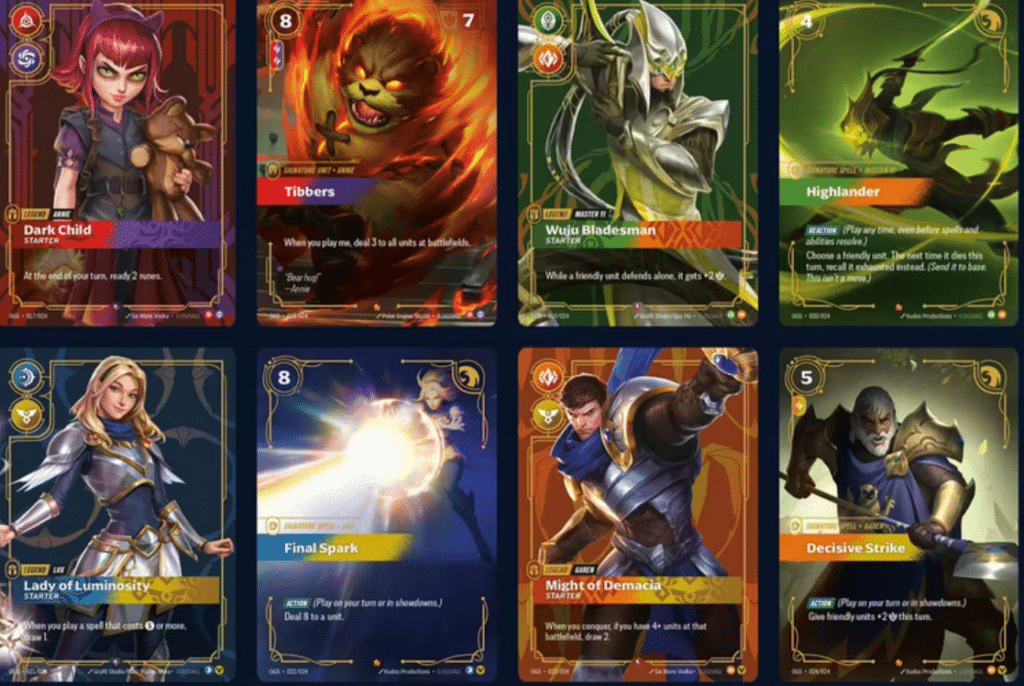
ESI: What motivated the choice to have LS lead T1’s entry into Riftbound? Did his previous experience with Magic: The Gathering and expertise in card economics play a major role, or was it primarily his massive personal brand, or perhaps other elements altogether?
Joe Marsh: LS possesses a deep-seated love for trading card games and has already secured victories in early Riftbound competitions. Card games are experiencing massive popularity in Western regions, and our goal is to help drive similar enthusiasm for Riftbound in South Korea.
LS truly appreciates the intrinsic worth of TCGs, be it Magic: The Gathering or Riftbound. He brings a sincere devotion to the genre alongside top-tier tournament capabilities, a mix that made him an obvious addition to the T1 roster.
ESI: In what ways does Riftbound provide value to competitive gaming teams that previous TCG titles could not deliver?
Joe Marsh: Because T1 is deeply embedded within Riot Games’ ecosystem, we recognize their operational style and the sheer enthusiasm and scope they inject into all their projects. It made perfect sense for us to back a project where we knew they would deliver exceptional quality. Riftbound beautifully merges the narrative universe of our premier title, League of Legends, with the thrill of collecting and the tactical depth of traditional card games. That synergy is precisely what captured our interest.
We had been searching for a suitable trading card game to adopt for several years, even contemplating creating our own card game at one stage. A major selling point for Riftbound is our ability to run in-person tournaments at our various T1 Base Camp venues in South Korea, such as our upcoming premier location in Gangnam.
ESI: Do you believe T1 is establishing its competitive presence in Riftbound at an early stage? Does this mirror the early-stage positioning of organizations in the dawn of League of Legends esports, or other major modern gaming titles?
Joe Marsh: While we are among the first to enter Riftbound, we are latecomers to the broader TCG landscape, meaning we are somewhat playing from behind. Tabletop card gaming requires a completely different mindset than League of Legends. Winning tournaments will rely heavily on our players’ capacity to adjust to a constantly shifting meta.
Strategic deck construction and tactical foresight will be the key determining factors. My hope is that getting involved early will allow T1 to capture even a portion of the monumental achievements our League of Legends division has consistently secured over the years.
The origin of the World Championship skins collaboration
ESI: How did the collaboration to translate T1’s 2025 Worlds skins into actual Riftbound cards?
Joe Marsh: Riot reached out with the concept of integrating our World Championship designs into the card game, and we agreed instantly. Since we had already been searching for a TCG to partner with, this crossover presented an incredible way to connect with card collectors and players using our championship history. It was simply too good to turn down.
Furthermore, this project aligned perfectly with T1’s plans to act as a regional retail partner and distributor for Riftbound at our T1 Base Camp spots. Everything came together seamlessly, and having it serve as a tribute to our historic third consecutive World Championship made it even more special.
Community foundations and genuine brand presence
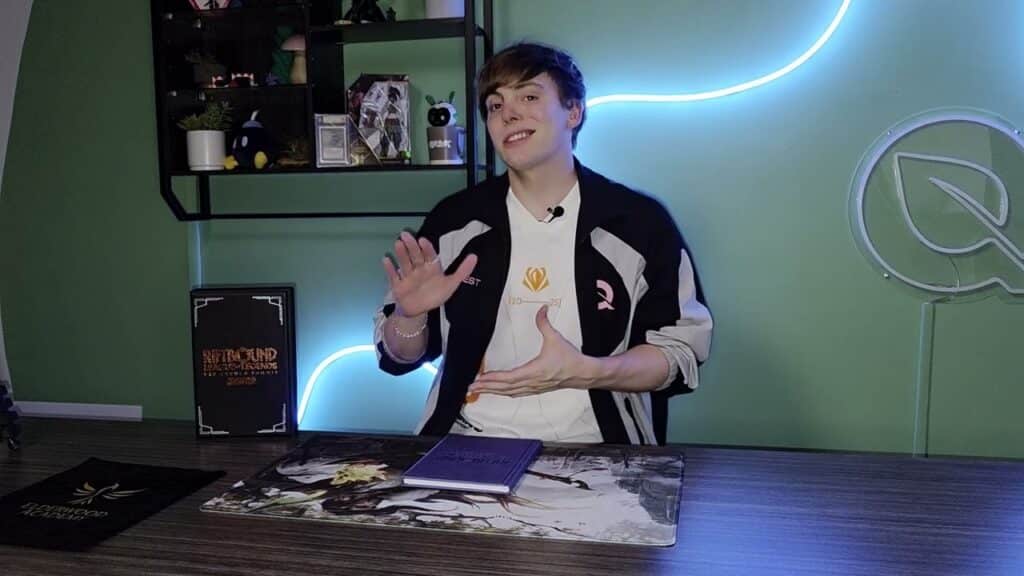
ESI: Given that traditional card games boast well-established independent teams and local player bases, do you anticipate a future where these existing groups and major esports brands like T1 merge, making TCGs a standard division in professional esports portfolios?
Joe Marsh: I believe that integration will develop naturally over time. Having premier esports operations work alongside local, independent teams and grassroots players will create a truly dynamic and engaging ecosystem.
It would be disappointing if a small group of elite esports companies dominated the entire space. Card gaming is fundamentally centered on community, so watching grassroots clubs match skills with world-famous organizations will keep the competitive scene lively.
ESI: Viewing a live match of Riftbound offers a very different vibe than watching League of Legends or traditional competitive video games. Do you anticipate it evolving into a comparable spectator sport, or does it target a distinct viewer demographic?
Joe Marsh: Every competitive discipline has its own distinct draw. The experience of viewing a League of Legends tournament is entirely different from watching a card battle or a fighting game, which are also separate from tactical shooters like Counter-Strike.
At this stage, our focus must remain on supporting and growing the foundational card game community, rather than trying to replicate the massive scale of League events right away. It is worth remembering that League has been around for more than a decade. In its infancy, its championship took place in a modest convention hall at a gaming expo.
Today, we sell out massive arenas globally. The ultimate growth of Riftbound depends on the passion of its player base, and T1 is thrilled to contribute to that evolution in our own way.
ESI: Do you foresee professional organizations hiring Riftbound players on full-time professional contracts, similar to standard esports athletes? Or will the distinct structure of card tournaments—with less frequent play and unique preparation styles—require an alternative approach?
Joe Marsh: I expect the framework to take a slightly different shape. While more tournaments will emerge as the game expands internationally, a grueling year-round schedule like the one in League of Legends would probably not be ideal for this format.
For our organization, running regular weekly and monthly gatherings at our T1 Base Camp sites and acting as an official retail merchant will be just as vital for cultivating the local Korean scene as securing championship trophies overseas.
My hope is that Riot Games will ultimately feature Riftbound alongside major League of Legends events such as MSI and Worlds, which feels like an obvious fit given the shared universe. Educating newcomers on deck construction and competitive strategies will also be crucial, and I anticipate that top players will produce tutorials and quick strategic content to support this.
While teams will certainly sign players and establish their presence in the scene, I strongly hope the game preserves its close-knit, community-driven identity.