As Formula 1 enters its summer recess, Max Verstappen faces a deficit of at least 110 points to the current standings leader, Kimi Antonelli.
The four-time world champion engineered an incredible turnaround starting at Zandvoort last year, securing a podium spot in each race of the season’s latter half; however, he does not foresee a repeat of that performance this year.
This year, Red Bull is dealing with more intricate issues. The squad kicked off the campaign with a substantial disadvantage, which was anticipated, though for alternative reasons. Prior to the opening round, doubts chiefly surrounded their in-house engine, yet the DM01 has turned out to be remarkably strong.
Conversely, the vehicle’s chassis presented even more significant flaws. Combining the RB22’s surplus weight with these design faults explains why Red Bull trailed by over 1.3 seconds in outright race speed during the Australian and Chinese rounds, as indicated by Paceteq data.
While that margin narrowed to just two-tenths of a second per lap by the time they raced in Belgium and Hungary, Verstappen argues that these metrics fail to capture the full picture.
Speaking in Budapest, the Dutch driver remarked that Red Bull appears to encounter a fresh hurdle every single weekend, following an earlier jest that this year’s persistent obstacles would drive him to spend his winter holidays meditating like a Tibetan Buddha.
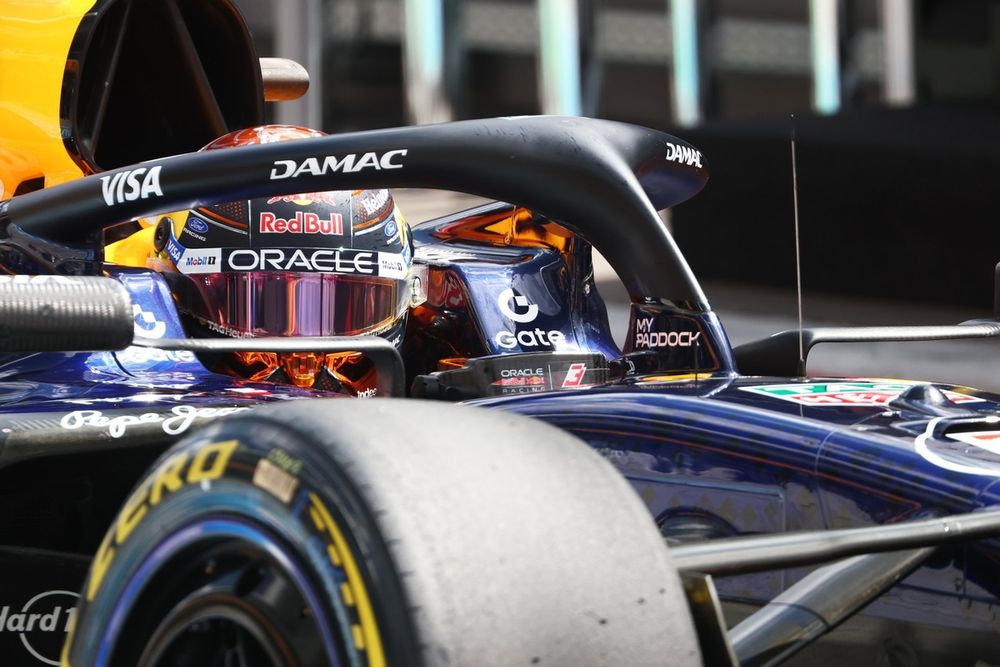
According to Verstappen, his race in Hungary was hindered more by “car degradation” than tyre wear, a problem Red Bull must resolve
Image credit: Sam Bloxham / LAT Images via Getty Images
Shifting to a more earnest perspective, Verstappen emphasizes that Red Bull must get a grip on these difficulties, especially after enduring what he termed “car degradation” in Hungary, where the single-seater’s behavior deteriorated throughout the event and even within individual runs.
“Our primary goal has to be unlocking more raw pace. After that, we must resolve the issues causing us to shed performance unexpectedly over a grand prix weekend, or even from lights out to the chequered flag,” Verstappen stated.
“Therefore, addressing this is indeed a major focus.”
When characterizing the initial portion of the 2026 campaign, Verstappen uses a single word: “Demanding.”
“Broadly speaking, it has been a real struggle. There have been a few positive highlights, some real standout performances, but on the whole, it has been difficult. Consequently, we must strive for greater consistency and versatility to ensure cleaner race weekends. Additionally, we have to extract more speed.
“Ultimately, it is that straightforward. Beyond discovering extra pace, we simply cannot afford to have these recurring glitches with our existing setup.”
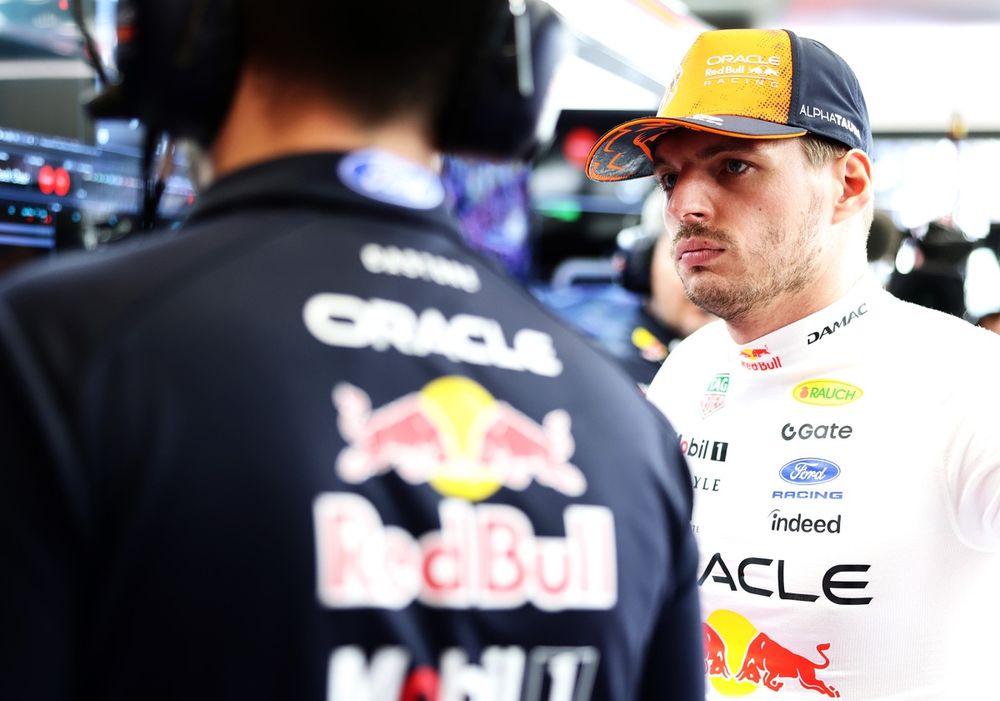
The team is still grappling with an unstable rear on corner entry and understeer in the middle of turns
Image credit: Mark Thompson / Getty Images
Pierre Wache pinpoints a pair of flaws in the RB22
While Verstappen insists that the team must eliminate these unwelcome shocks, technical director Pierre Wache admits that the RB22 exhibits distinct shortcomings that have drawn complaints from both of their racers.
“Just like any Formula 1 car, there are clear restrictions regarding how our drivers can exploit the machinery, the aerodynamic load it generates, and its behavior when attempting to adjust the setup and balance.
“We definitely face certain constraints, which is true for any car on the grid, regarding entry stability into corners and understeering mid-turn. We attempt to mitigate these characteristics through various mechanical adjustments,” Wache explained when questioned by Autosport.
Although Verstappen is highly sensitive to mid-corner understeer, the input provided by both Red Bull pilots is remarkably aligned on this matter.
When queried by Autosport regarding the primary handicap, Hadjar highlighted the identical trouble spots mentioned by Wache.
“We must first resolve the stability issues on corner entry, and from there we can make progress on other fronts,” commented the 21-year-old French racer.
In spite of these hurdles, the team has taken major strides forward since their troubled start to the year. Wache shares this view when looking back at the challenging initial rounds of the 2026 championship.
“Looking back at our early-season difficulties, we were obviously lacking downforce relative to our rivals. On top of that, we suffered from some mechanical glitches that disrupted the driver’s feedback through the steering wheel. We managed to resolve those initial flaws.
“While it required some time to fix, it compounded our overall lack of pace and limited the car’s ultimate potential. So yes, it is no secret that we struggled with the drivers’ confidence and feedback initially.”