Follow us
Select us as a favored outlet on Google
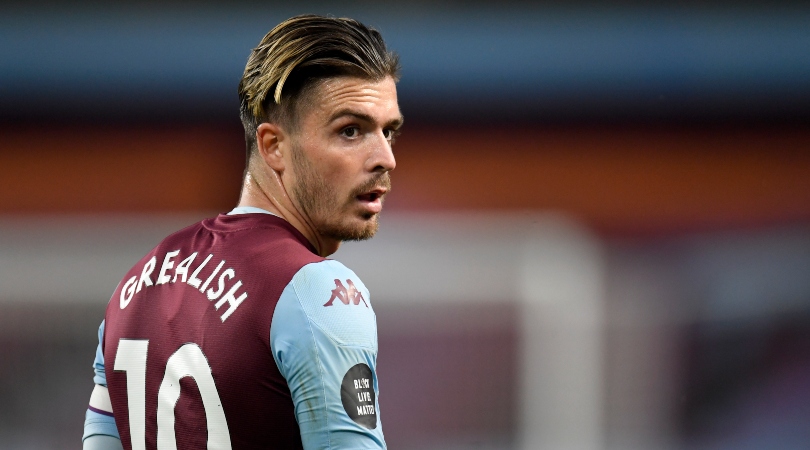
Back in May 2019, Jack Grealish ascended the Wembley steps laced up in a pair of heavily scuffed, worn-out boots to lock in his team’s return to top-flight football.
Aston Villa had overcome Derby County in the Championship play-off final—marking their second shot in consecutive years—and promotion was viewed as a make-or-break moment for a historic side that had drifted off course.
Wearing the captain’s armband, Grealish steered Villa through an unprecedented run of victories to book their place in the play-offs. Much like his head coach, Dean Smith, he is Villa through and through. He sat at the pinnacle of the game, tipped for a glittering international trajectory with England and primed to be every bit as electrifying in the Premier League as he was in the second division.
Everton were justified in taking a firm stance, and Grealish must make amends
As Grealish and his teammates hoisted the silverware inside Wembley’s royal box, its edge caught his eyebrow. That moment captured Jack Grealish in a nutshell: idolized by his supporters for years, endowed with natural flair unseen in an English player since Paul Gascoigne, a thrilling presence and developing leader, yet prone to self-sabotage.
Following his role in guiding Villa back to the Premier League after three years away, Grealish excelled in the top division and preserved their status. His move to Manchester City transformed him into a £100m player, where he contributed to their treble-winning campaign in 2022/23, though he had to trim back the distinctive individual flare that set him apart.
And he truly was exceptional. However modest his performances at City appeared by comparison, and despite two understated loan spells at Everton, Villa supporters can look back at his displays and mourn a star who had the ability to become an all-time great for his boyhood club, but selected a different route.
Regrettably, while that path yielded the silverware and international caps he desired, it left him vulnerable to the reckless tendencies that occasionally thrust him into the headlines during his Villa years.
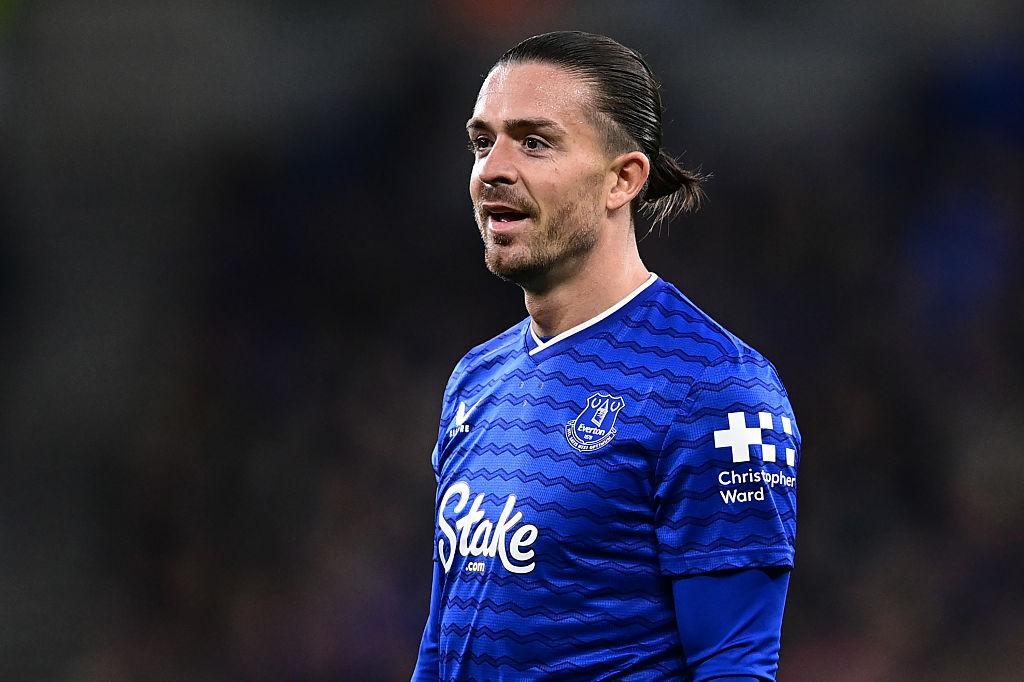
Outside of that protective bubble, he appears to have lost his direction. Everton fans will find it tough to forgive his latest misstep. Grealish was left out of the Toffees’ matchday squad for this week’s Carabao Cup tie against Newcastle United due to a internal disciplinary infraction, widely reported as an unexcused absence from training.
David Moyes’ team selection when the two sides meet once again in the Premier League on Monday night will reveal the extent of the club’s discontent; for a section of the fanbase, breaches of professionalism cross a line.
At 31, Grealish faces an uphill battle to reclaim his spot in the lineup and regain the trust of supporters at a team with no long-term stake in his future past May, and he has only himself to blame.
Everton and Moyes must safeguard their standards, and handling disciplinary matters promptly is essential for maintaining a healthy dressing room culture. Premier League footballers earn massive fortunes, and Grealish—viewed as too costly for Villa to acquire on loan last summer—has amassed substantial wealth.
The minimum standard expected in exchange for that is rather higher than simply showing up for work. Falling short of that level isn’t acceptable for any player and Everton were forced to take action, but it can also be indicative of a player’s need for support.
Everton will not make public the specific grounds for Grealish’s disciplinary violation, nor should they.
Only Grealish and those closest to him know the reality behind the rumors and imagery that have followed him throughout his career. Only Grealish knows his own mind; public speculation about his personal affairs remains unfair and reckless.
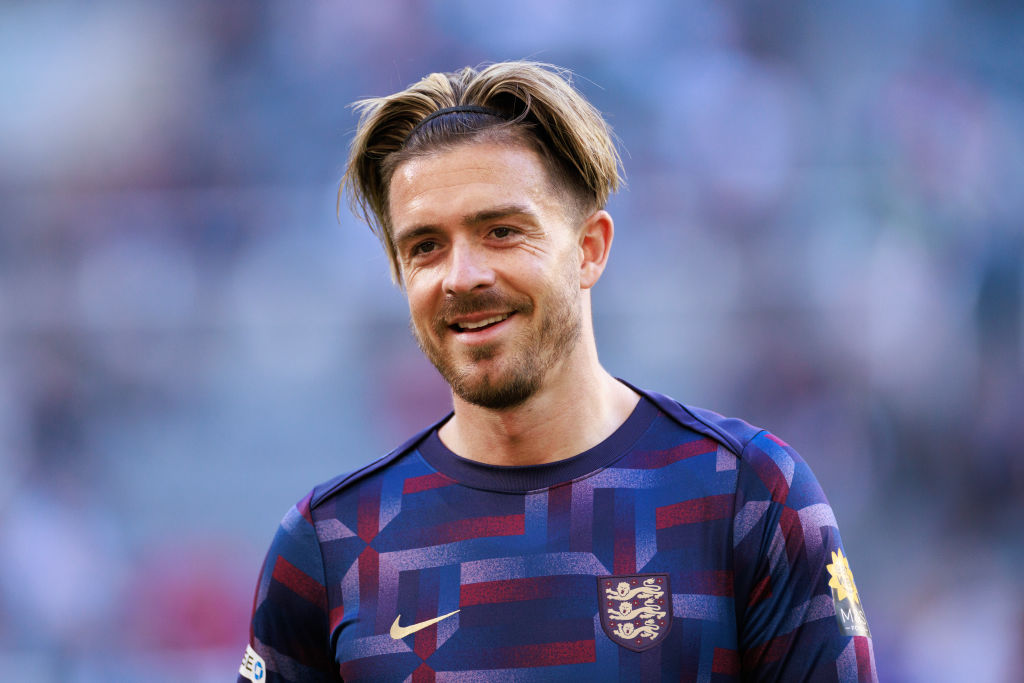
Whatever prompted Grealish to trigger such a direct stance from Everton this week, the event itself underlines that his career path has turned into a cautionary narrative.
He boasts boundless skill, paired with the presence and confidence required to shine on the biggest stages football can offer. He became the focal point of his boyhood club, delivering tangible triumphs far beyond what any other local player had achieved in decades.
As athletes of his status navigate the game, it is easy to forget that they remain human beings. Some will struggle with personal battles off the pitch, and occasionally, even the most gifted professionals will suffer lapses in standards regardless of their ability on the field.
Supporters are free to view these situations as they see fit. Many will simply look at a player’s earnings and hold little sympathy.
Football clubs, along with the wider sport, must adopt a more serious approach. While fans do not owe players anything, the game itself certainly does. If nothing else, football’s duty of care toward its players ought to help them make the right choices to fulfill their potential.