The head of Audi’s Formula 1 division, Mattia Binotto, suggests that drivers are now finding enjoyment in the significant regulatory adjustments slated for 2026, expressing confidence that the revamped cars will provide an engaging spectacle.
Beginning with the next racing season, the sport is transitioning to a fresh framework for chassis and power units, marking one of the most comprehensive regulatory overhauls in its history. These updated regulations prioritize electric power to a greater extent, aiming for an approximate 50-50 distribution between electric energy and the internal combustion engine. This shift is fundamentally reshaping how teams are required to manage the cars and how drivers will operate them.
Initial responses from drivers, including Charles Leclerc of Ferrari, voiced concerns that the new generation of vehicles would be markedly different and potentially less pleasurable to drive.
However, as the virtual models undergo refinement and become increasingly accurate, and teams discover enhanced performance capabilities, Binotto, the Audi F1 chief, indicates that their drivers, Nico Hulkenberg and Gabriel Bortoleto, are “starting to enjoy” the evolving experience.
“This represents the most substantial alteration in at least three decades,” Binotto stated as Audi, poised to take over Sauber, unveiled its 2026 visual identity and concept livery in Munich. “It’s a considerable transformation. I honestly believe it’s a fantastic challenge. Currently, all technicians appear to be relishing the modifications to the regulations.”
“I think even drivers, initially, we may have heard some criticism. But overall, what I can see from drivers’ comments, they are starting to enjoy, they are enjoying [the new cars].”
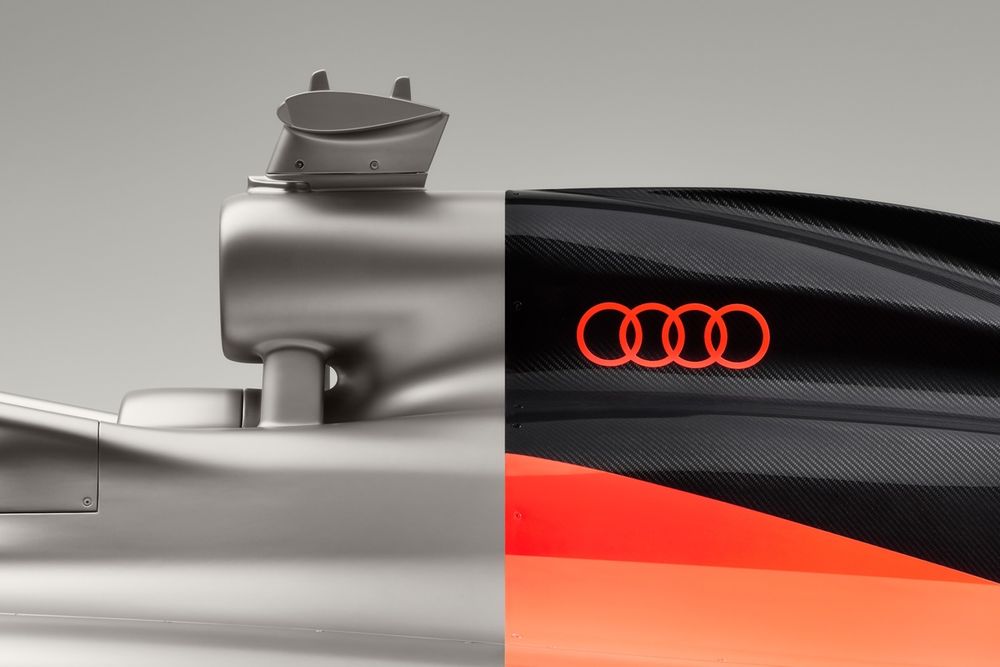
Audi F1 Team RS26 concept livery
Photo by: Audi Sport
Binotto further anticipates that the redesigned vehicles will contribute to enhanced racing dynamics. Additionally, he supports the FIA in adjusting the sporting regulations, including elements such as hybrid deployment parameters, if necessary, to guarantee a compelling spectacle for viewers.
“I’m confident that ultimately, it will be an appealing show,” the former Ferrari team principal remarked. “The adjustments were implemented to ensure, first and foremost, relevance to road vehicles, incorporating fully sustainable fuels. This presents a challenge for fuel suppliers as well.”
“But overall, the show will improve because we believe that the racing will be improved through the new regulations. So, we may need some patience at the start because big changes may bring discontinuity, may bring gaps between teams. But certainly, there will be a very quick catch-up from all the teams.
“And I’m expecting some rules may be adapted if required. That’s part of the normal process. In every year, in every season, FIA has always adapted to needs. That may happen again. But overall, it will be a great regulation [set].”
Binotto’s statements resonate with similar sentiments shared earlier this summer by Williams’ team leader, James Vowles.
“The initial experience for our simulator drivers with the 2026 regulations was challenging due to the comprehensive changes in specific driving aspects,” Vowles elaborated. “However, by the second session, it felt more conventional, although some complaints persisted. By the fourth session, discussions about it significantly decreased, and it simply became the standard.”
We want to hear from you!
Let us know what you would like to see from us in the future.
Take our survey
– The Autosport.com Team