The time of Daniel Levy at the helm has concluded.
Tottenham Hotspur communicated on Thursday that Levy had relinquished his role as the club’s chief executive, although subsequent accounts suggested that the Lewis family, the primary owners of Spurs, had ultimately reached that conclusion.
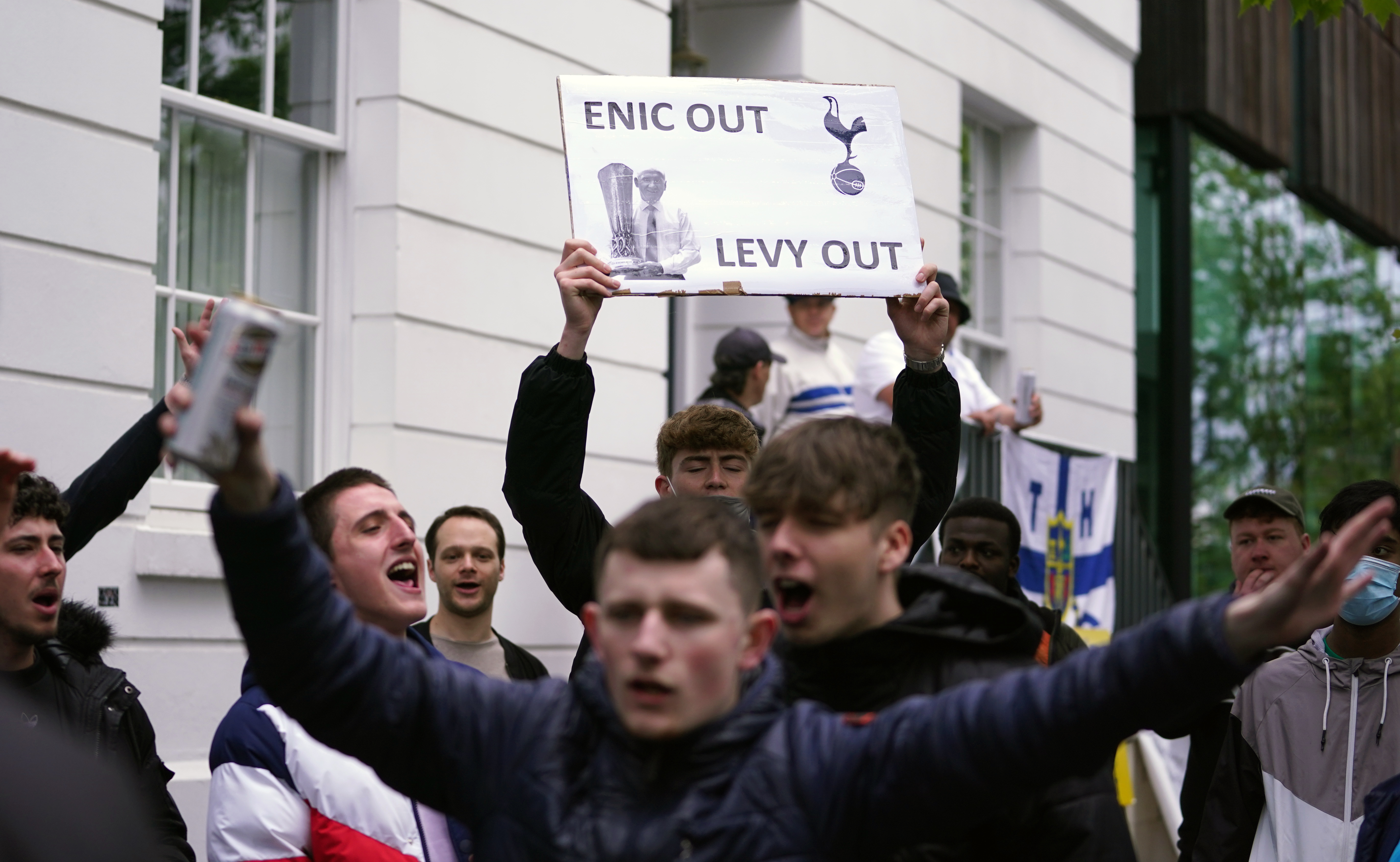
Following a quarter-century in the driving seat, Levy departs without an abundance of warmth from the fanbase. Justifying unpopular actions associated with large clubs, such as a high turnover of managers and support for a European Super League without commensurate trophy wins, is a difficult task.
Levy’s Victories in North London
Levy’s spell was an unusual synthesis of sophistication off the field and constraints on the pitch, which are different results stemming from the same attitude at the helm.
Spurs supporters will not lament Levy’s exaggerated image as a demanding negotiator in the transfer market, nor will they lament their club’s failure to capitalize on its position as a wealthy London club that is ostensibly well-managed.
Constructing Tottenham Hotspur Stadium…
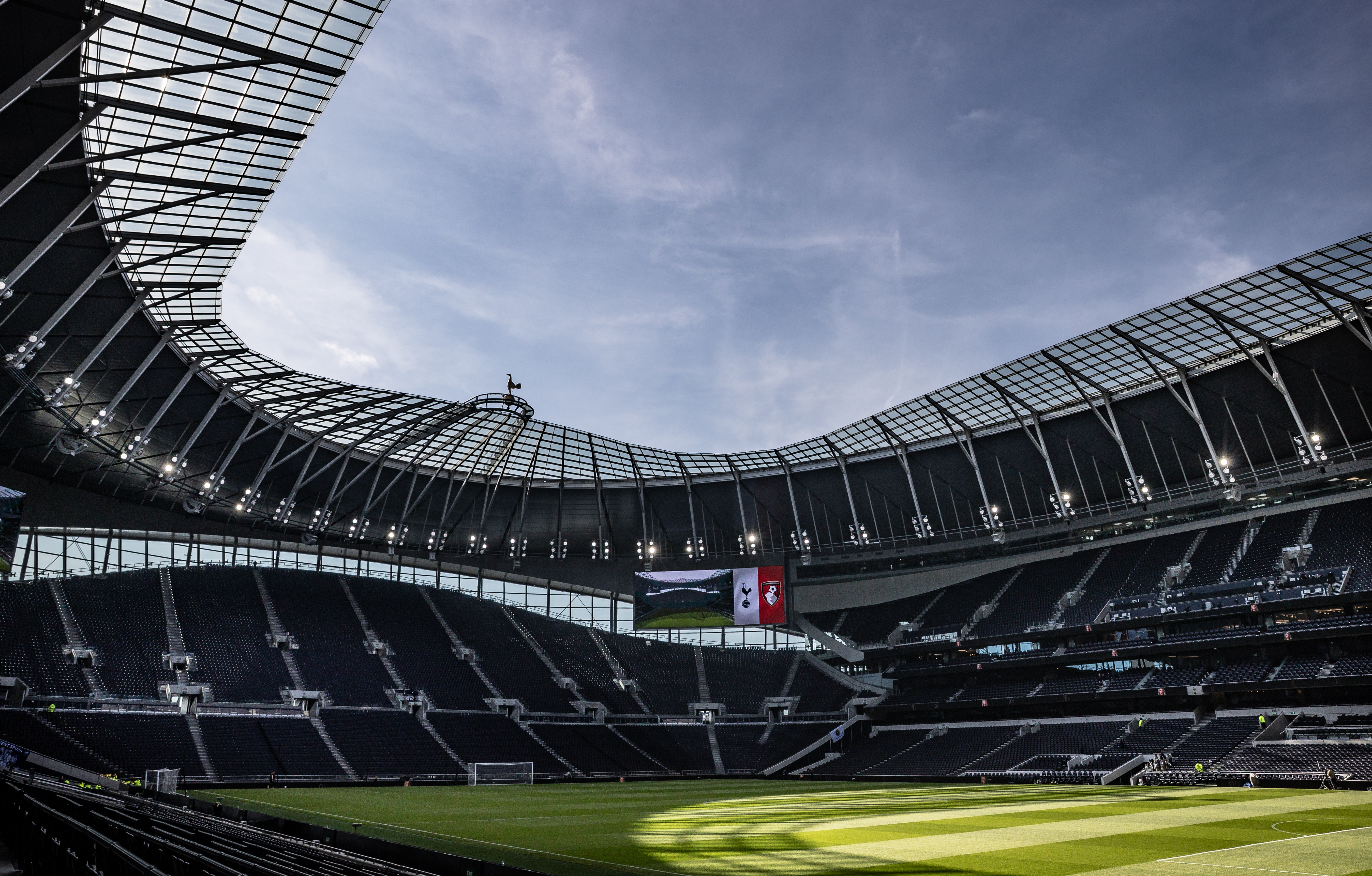
Spurs have been installed in their new arena for over half a decade. It is a distinguished monument that represents not only the Levy years, but also ENIC’s ownership. The Tottenham Hotspur Stadium is a wonderful venue, coveted by supporters of rival teams.
The stadium itself is a complete triumph, but it entailed an actual expense for the supporters. Ticket prices rose sharply and Spurs were criticized for exploiting loyalty when concession season tickets were discontinued.
…and maximizing its potential
Levy has been successful in turning the new stadium into a successful business venture. In the modern Premier League environment, that is crucial.
“He maintained low expenditures,” Jonathan Wilson writes. “He has broadened the business’s scope, with the club hosting NFL, rugby, boxing, monster trucks and major concerts.”
Every one of those events, each glamorous spectacle that Levy and Spurs have been able to pull from Wembley, yields significant revenue for the club.
Securing the Europa League Title
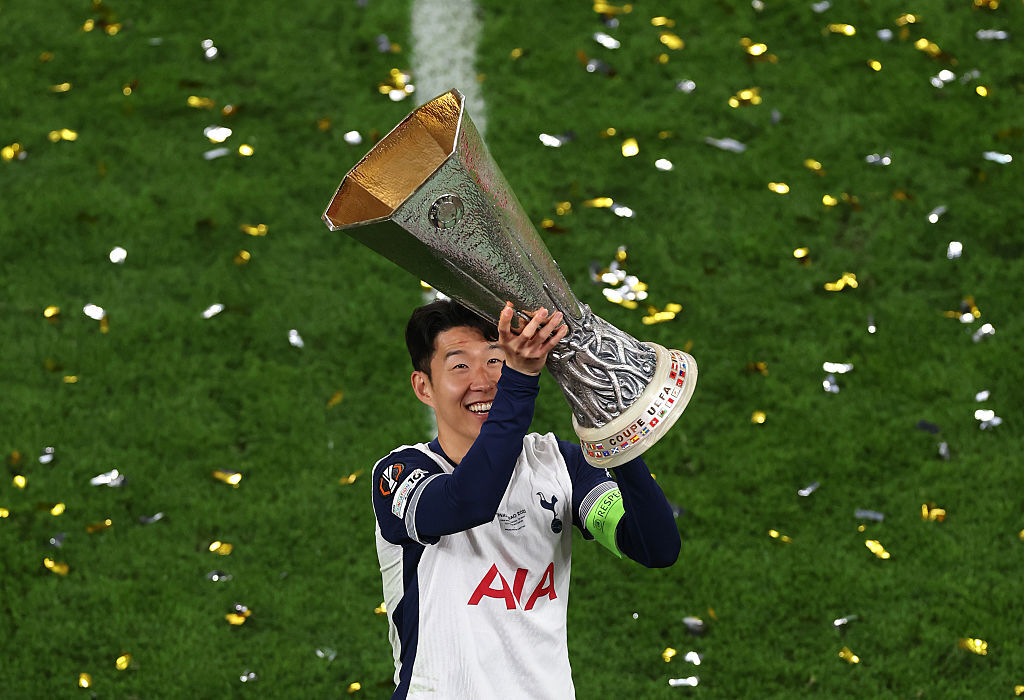
Levy’s exit occurs with some shiny, contemporary silverware exhibited in the trophy room.
An earlier League Cup victory did little to quell anxieties regarding Spurs’ infrastructure; however, securing the Europa League, thus paving the way for a return to the Champions League, is undeniable.
Regardless, Spurs underperformed in the league during the same period. Ange Postecoglou pledged a trophy and delivered it, somewhat unexpectedly, and the disappointing Premier League season will have minimal impact on his legacy.
Levy, as the leading executive at the club rather than the key player who orchestrated the Europa League victory, does not enjoy the same degree of flexibility.
Elevating Spurs as a Champions League Contender
Tottenham initially ventured into the Champions League under Levy’s leadership, before transforming it into their European stronghold between 2016 and 2020. They regularly progressed to the knockout stages and achieved a memorable semi-final triumph in 2018-19.
Spurs came to perceive themselves as a Champions League caliber squad; however, they only managed to qualify for Europe’s leading club tournament in one of the past five seasons. Their comeback this season is advantageous; however, it wasn’t sufficient to absolve Levy of responsibility.
Maintaining a Low Wage-to-Turnover Ratio
Concerning double-edged swords, Tottenham Hotspur’s wage-to-turnover ratio is a remarkable example. At 42 percent, theirs was the lowest in the Premier League for the 2023-24 season.
The standard was approximately 66 percent; Chelsea and Newcastle United exceeded that threshold, and Aston Villa, whose wage-to-turnover ratio was barely under control, are grappling with the effects.
Villa exemplify that one extreme can be perilous, but Spurs fans can rightly assert that inadequate salaries can and will adversely impact the overall caliber of a football team. Some of those who contribute to that turnover do not take such measures lightly.
Generating Revenue from Player Transfers
Profitable player sales are vital to unlocking increased spending potential, and Spurs, during Levy’s tenure, have performed reasonably well in this area.
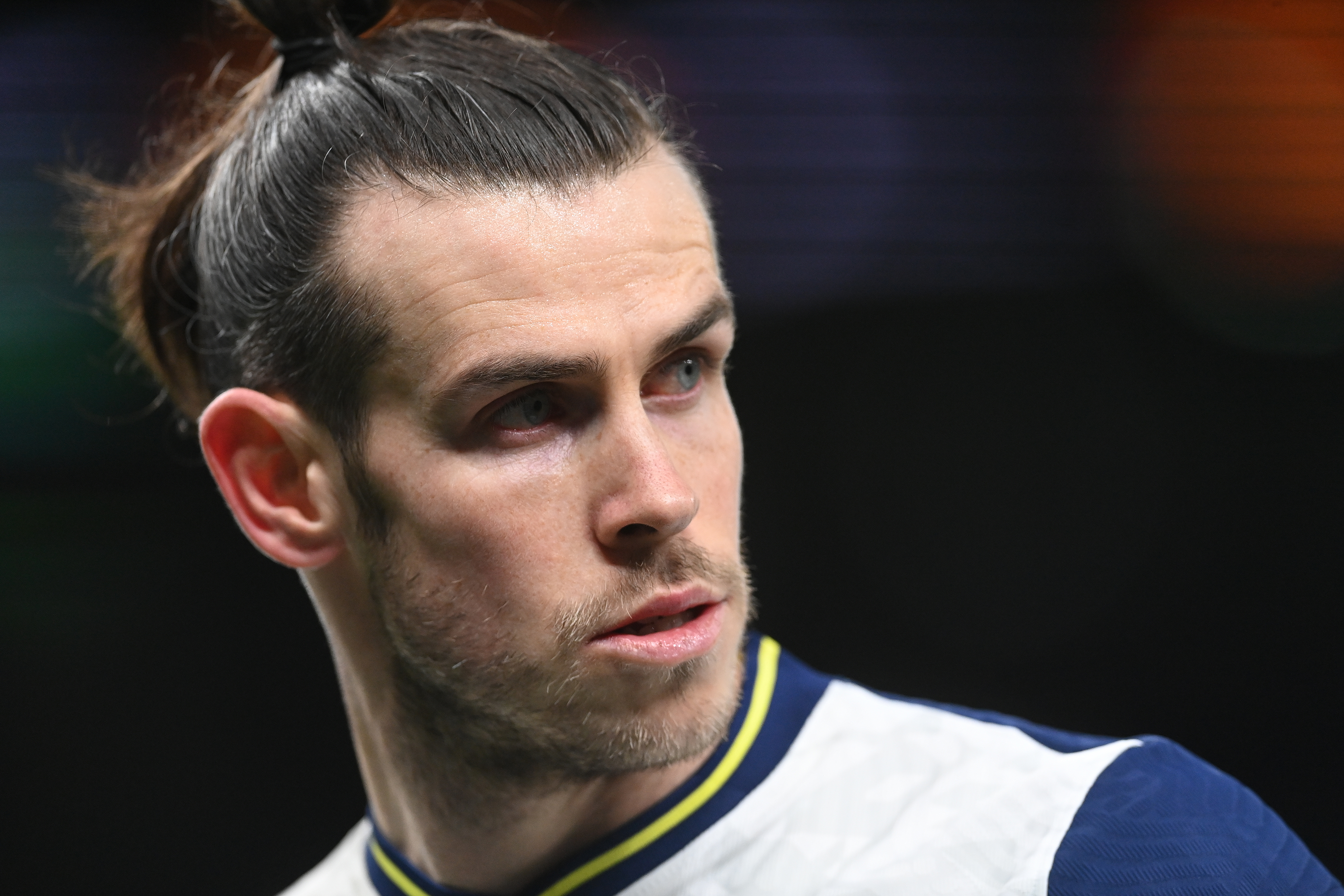
The lucrative sales stand out. Gareth Bale, Harry Kane, Kyle Walker, Dimitar Berbatov, Luka Modric and Michael Carrick all contributed significantly at Spurs and then generated significant profits.
Spurs have also been successful in selling players such as Steven Bergwijn, Robbie Keane, Christian Eriksen, Son Heung-min, Kieran Trippier and Oliver Skipp for substantial sums.
While some clubs are not capable of achieving similar results, Levy did not convert those profits into the required level of investment in the opposite direction.
Departing at the optimal time?
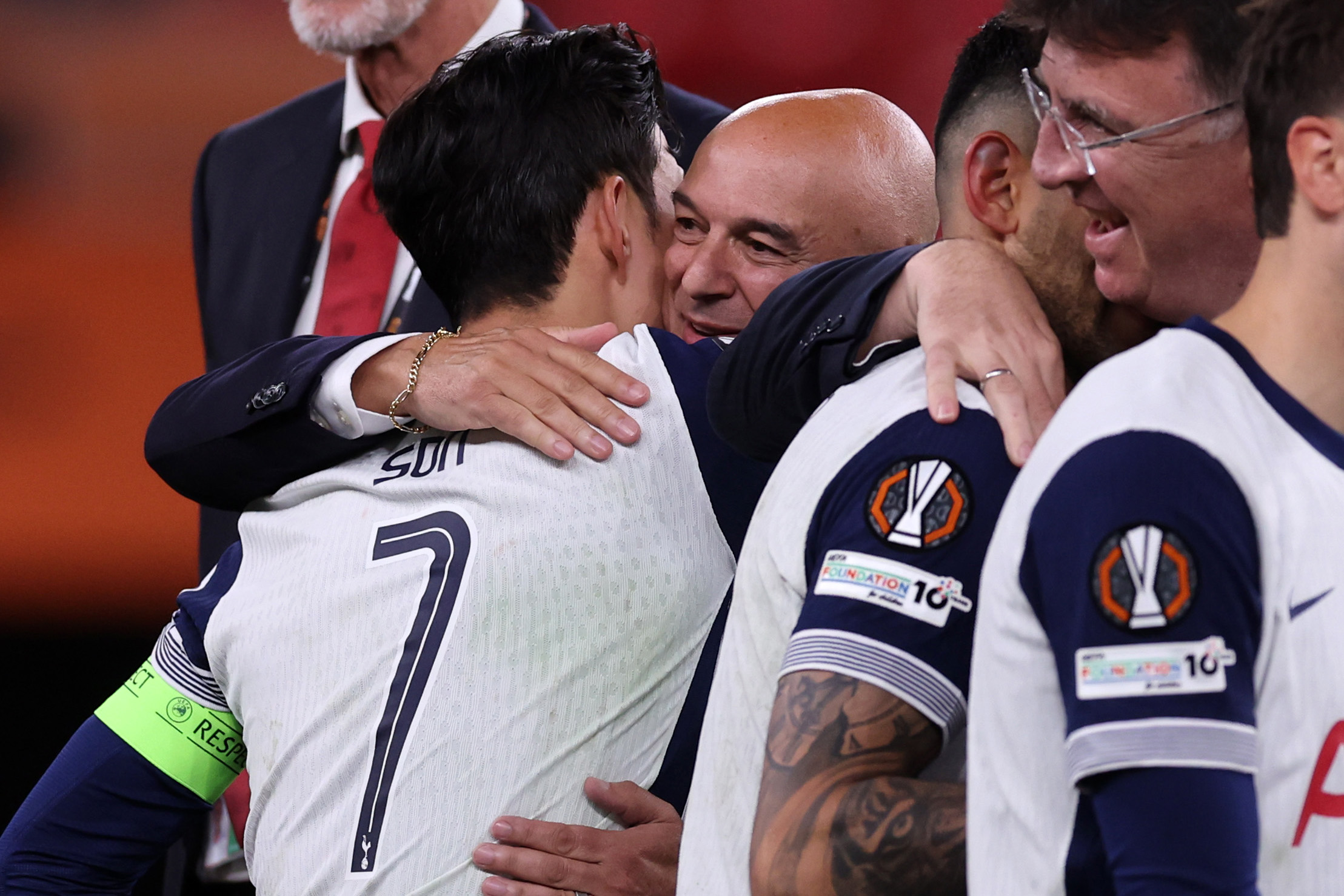
Levy has left a club in excellent financial standing, in possession of a trophy, and restored to the Champions League. Spurs boast a highly-regarded new manager and have begun the 2025-26 season favorably.
A majority of fans would contend that Levy’s tenure persisted for an excessive duration. His leadership was met with opposition, along with a pervasive perception that potential on-field achievements were squandered. This is not the sole opportune moment for his departure; rather, it is merely the latest.
According to FourFourTwo, Levy’s management has indeed overlooked certain possibilities for success; however, he leaves the club well-positioned for a future shaped by financial regulations, commercial prowess, and advantageous player trading.
However, he lacks the qualities needed to capitalize on that position, and the readiness to succeed is distinct from actual success.