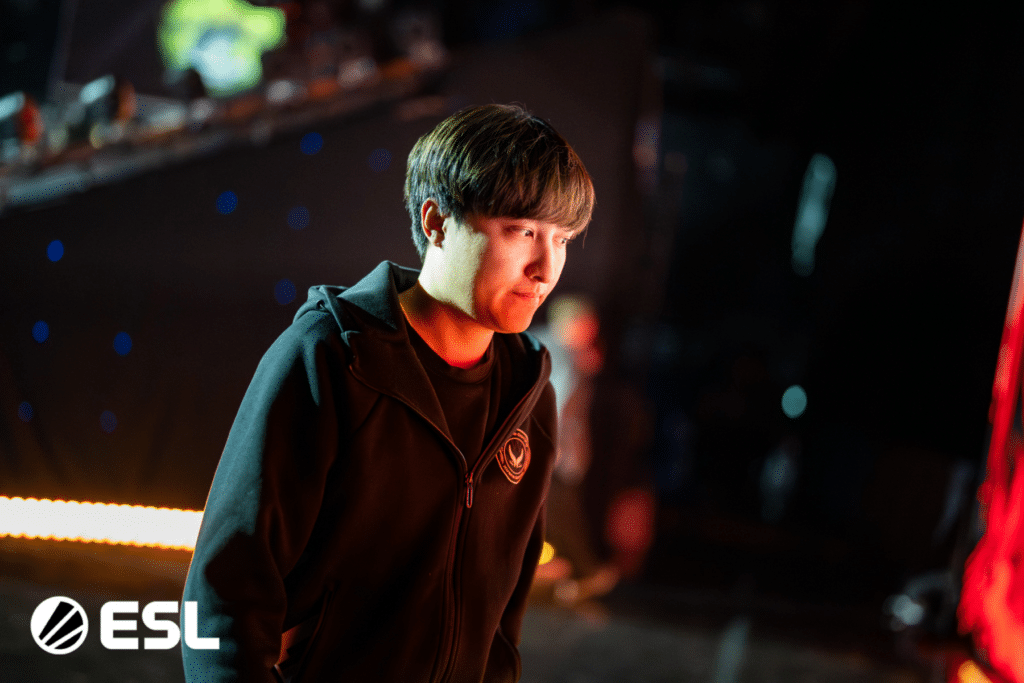
The ESL One Birmingham 2026 tournament has recently concluded, witnessing Tundra Esports solidify their dominance by securing the championship title.
However, the primary narrative emerging from the competition revolved around the substantial 7.41 Dota 2 update unexpectedly released during the high-stakes, million-dollar contest. This unforeseen timing has prompted discussions regarding the suitability of such occurrences for the professional gaming landscape.
Update 7.41 Released During ESL One Birmingham Group Stage
ESL One Birmingham has proven to be the most unforgettable competition of the 2026 Dota 2 calendar to date, noteworthy not merely as the year’s inaugural stadium event, but primarily due to Valve’s introduction of a colossal patch that dramatically altered the event’s trajectory.
The eagerly anticipated 7.41 patch was unveiled by Valve, introducing significant alterations including the complete elimination of facets and the incorporation of numerous fresh items. The scheduling of this update drew considerable controversy, given its deployment midway through the crucial group stage, a phase designed to halve the number of competitors.
After concluding their pair of best-of-two matches for the day, teams found themselves confronted with countless modifications that necessitated urgent comprehension prior to the commencement of their subsequent games.
Thoroughly reviewing the complete patch notes alone would consume several hours, and this calculation doesn’t even factor in the time required for theoretical experimentation. Insufficient time was available to fully grasp all the changes, compelling teams to improvise through the rest of the group stage, with certain squads risking their aspirations for advancement to the playoffs.
Disorderly Dota Represents Optimal Dota
This instance marks another occurrence of a significant update being deployed during an ongoing competition, with the results in Birmingham mirroring past events. Such an abundance of modifications, coupled with minimal preparation time, consistently gives rise to exceptionally disordered Dota gameplay among professional squads. It offers immense enjoyment for spectators.
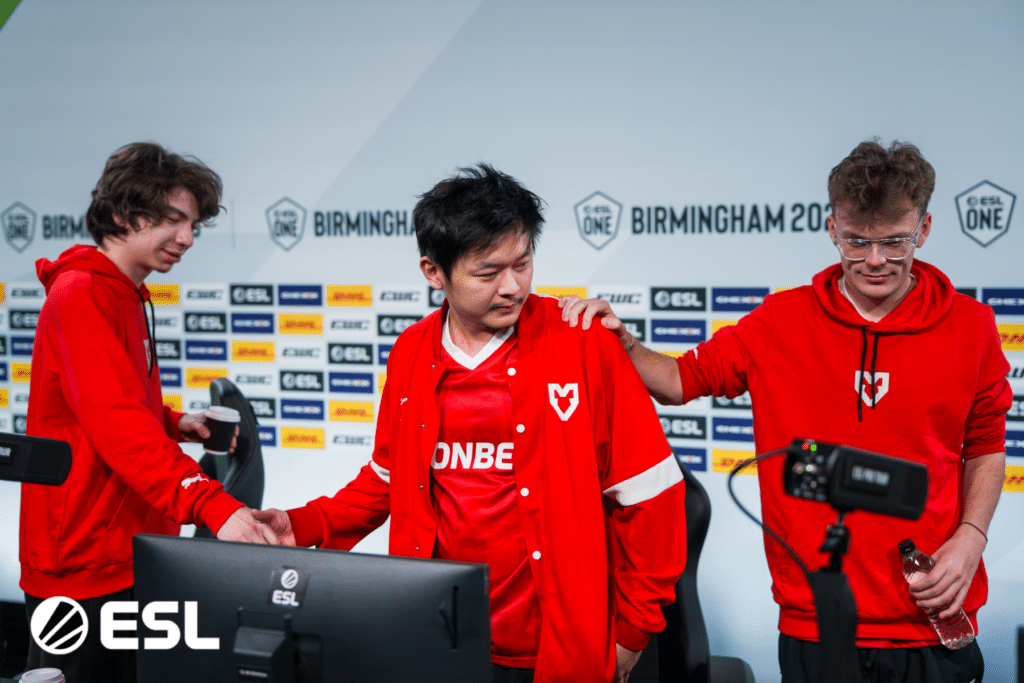
At times, even the professional players themselves do not entirely comprehend the full scope of certain adjustments, leading to comical moments, such as nearly half of the Aurora Gaming lineup being eliminated by the Tormentor around the 47-minute mark.
The professional players haven’t completely absorbed the new patch, and neither have the audience members. Observing the matches allows us to discover novel aspects of the update, thereby enhancing the overall viewing pleasure. This encourages intense focus on every minor element, contrasting with passively browsing social media applications while anticipating a major skirmish.
Reddit users largely appear to concur, as one comment stated: “Chaotic Dota is best Dota. It should happen more often. I do not care whether pros like it or not.”
And a subsequent response directly affirmed: “Yep. I did not care about watching [ESL One Birmingham] until there was a new patch LOL.”
Did Certain Teams Suffer an Unfair Disadvantage at ESL One Birmingham?
While the audience incurred no detriment from the recent update, professional teams certainly did. From their viewpoint, a substantial patch released mid-tournament constitutes a severe setback. Weeks were typically dedicated to devising specific strategies and hero selections for this million-dollar competition, only for all that effort to be rendered obsolete.
It can be profoundly disheartening to realize that all painstaking effort has vanished instantly, yet with mere hours remaining until the next match, the sole course of action is to fortify one’s mindset and persist.
Consider Aurora, for instance. The Eastern European team dominated the Group Stage, achieving an impressive 13-1 record. They had experienced considerable success in recent months and appeared to have a definitive grasp on the prevailing meta. However, following the release of the 7.41 patch, they were defeated in both playoff matches, ultimately placing 5th-6th in the event. All their prior efforts during the group stage proved fruitless.
Aurora was not the sole team affected; Team Spirit, despite an 11-3 performance in their group stage run, encountered an identical outcome. The victors of two TIs were unable to secure a single playoff series victory and were eliminated from the competition sooner than desired.
Flexibility Constitutes a Core Component of Skill
Numerous elements contribute to the formation of a championship-winning lineup. While individual talent, collaborative effort, and team synergy are all crucial, I would contend that adaptability holds equal significance.
Admittedly, the patch release could have been timed more appropriately, yet realistically, every participant is competing on the identical update. This effectively functions as a complete restart, placing all teams on an even playing field. The critical questions become: can you rapidly discern effective strategies, and do your players possess a sufficiently diverse hero repertoire to implement them?
Though it may seem rigorous, efficient time management for reviewing and experimenting with the new patch is also a factor in competitive events. All individuals are afforded the same 24 hours. Consequently, it transforms into a contest of which teams can assimilate knowledge most rapidly, and whether they can achieve this within a limited timeframe, particularly while concurrently ensuring adequate rest.
The preceding tournament champions, Tundra Esports and Team Yandex, were widely regarded as the frontrunners entering Birmingham. These two ultimately contended in the Grand Final and maintained their appearance as the two strongest teams present. I did not observe any significant difficulty in their adjustment to the patch.
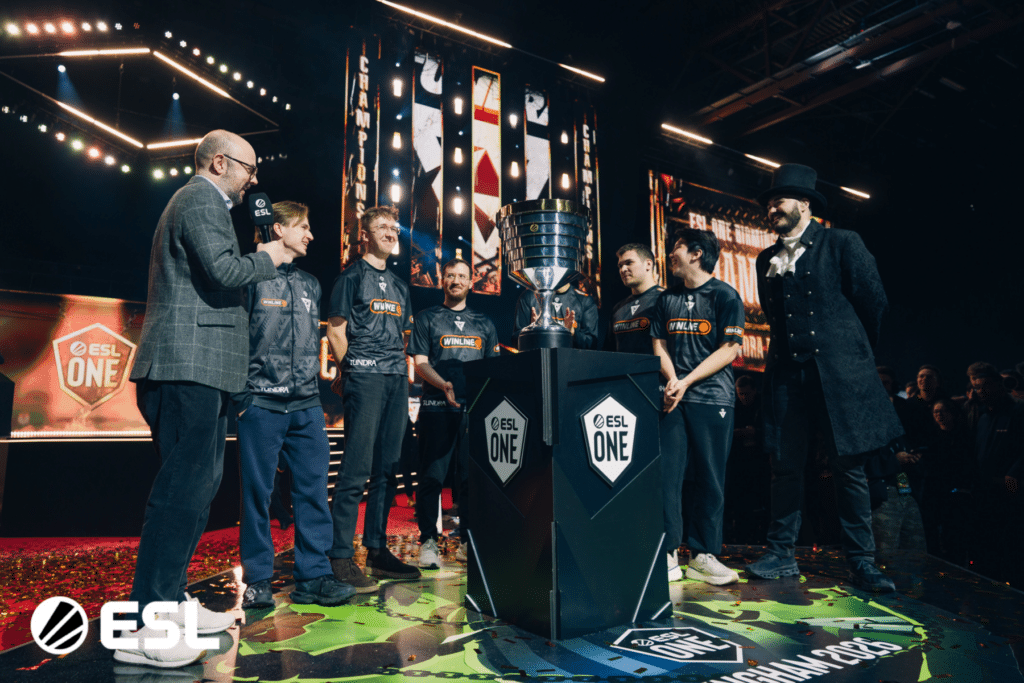
Their rosters feature two of the game’s most intelligent and seasoned players – Neta “33” Shapira and Martin “Saksa” Sazdov – who, I presume, offered invaluable perspectives to their respective squads.
Conversely, considering Aurora, they predominantly selected the identical heroes despite the new patch, and it appeared they were unable to formulate any effective strategies within the given timeframe.
An additional team that experienced misfortune was GamerLegion. This group entered as outsiders and possesses comparatively less experience. GamerLegion commenced the tournament with a strong showing, seeming to have a legitimate chance at reaching the playoffs. Nevertheless, the recent update unsettled them, and they ultimately exited during the group stages.
Xtreme Gaming’s Performance Did Not Appear Accidental
Xtreme Gaming stood out as a team that surpassed anticipations. Their initial form prior to Birmingham was not optimal, yet they narrowly advanced beyond the group stage and orchestrated a lower bracket surge to secure a third-place finish. To me, this outcome does not appear coincidental, particularly with talents such as Wang “Ame” Chunyu and Xu “fy” Linsen comprising the roster.
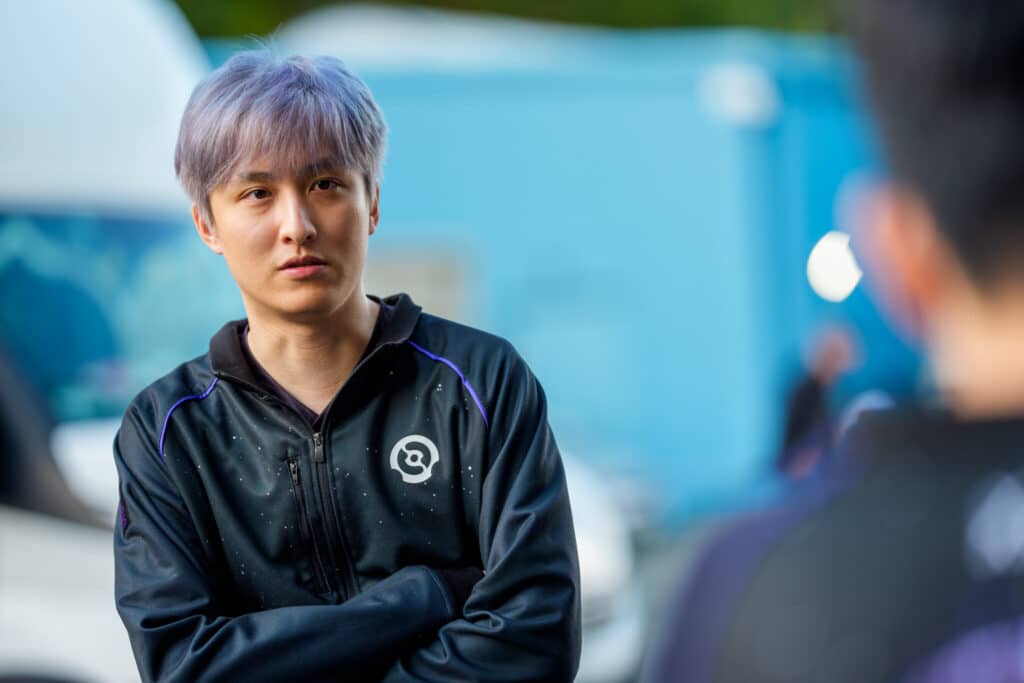
While Ame is widely recognized for his three unsuccessful attempts to secure the Aegis, it is worthwhile to consider his enduring career. He has participated in three TI finals, spaced nearly a decade apart, in 2018, 2021, and 2026. He has consistently maintained peak performance even as the game underwent comprehensive transformations over time, spanning varied playstyles and hero selections. Therefore, his team’s significant improvement following the patch does not strike me as particularly astonishing.
Xtreme Gaming boasts seasoned players throughout its lineup. These individuals have previously navigated similar circumstances. It appears they maintained their composure, self-control, and adherence to strategy, which likely contributed substantially to their successful trajectory, despite not being able to claim the championship.
From my perspective, scenarios such as these genuinely challenge teams. Frequently, innovative and seasoned squads emerge victorious.
The article: Testing Dota 2 Teams: Was Valve’s decision to release Patch 7.41 mid-tournament appropriate?