Connect with us
Include us as a favorite source via Google
Freddy Adu had barely turned thirteen when the intense media frenzy surrounding him started.
Prior to making his professional first-team appearance for D.C. United at age 14, Adu was already being labeled as ‘the next Pele’, celebrated not merely as a talented youngster, but as a once-in-a-generation sensation destined for international superstardom.
However, being measured against the iconic Brazilian icon at such an early stage placed an immense level of pressure on his shoulders—one that no adolescent should ever be forced to digest, much less fulfill. Reflecting on his footballing journey, Adu shares how the initial thrill of being likened to his sporting hero eventually yielded to the understanding that he had to craft his own identity.
Adu reflects on the burden of being labeled the next Pele
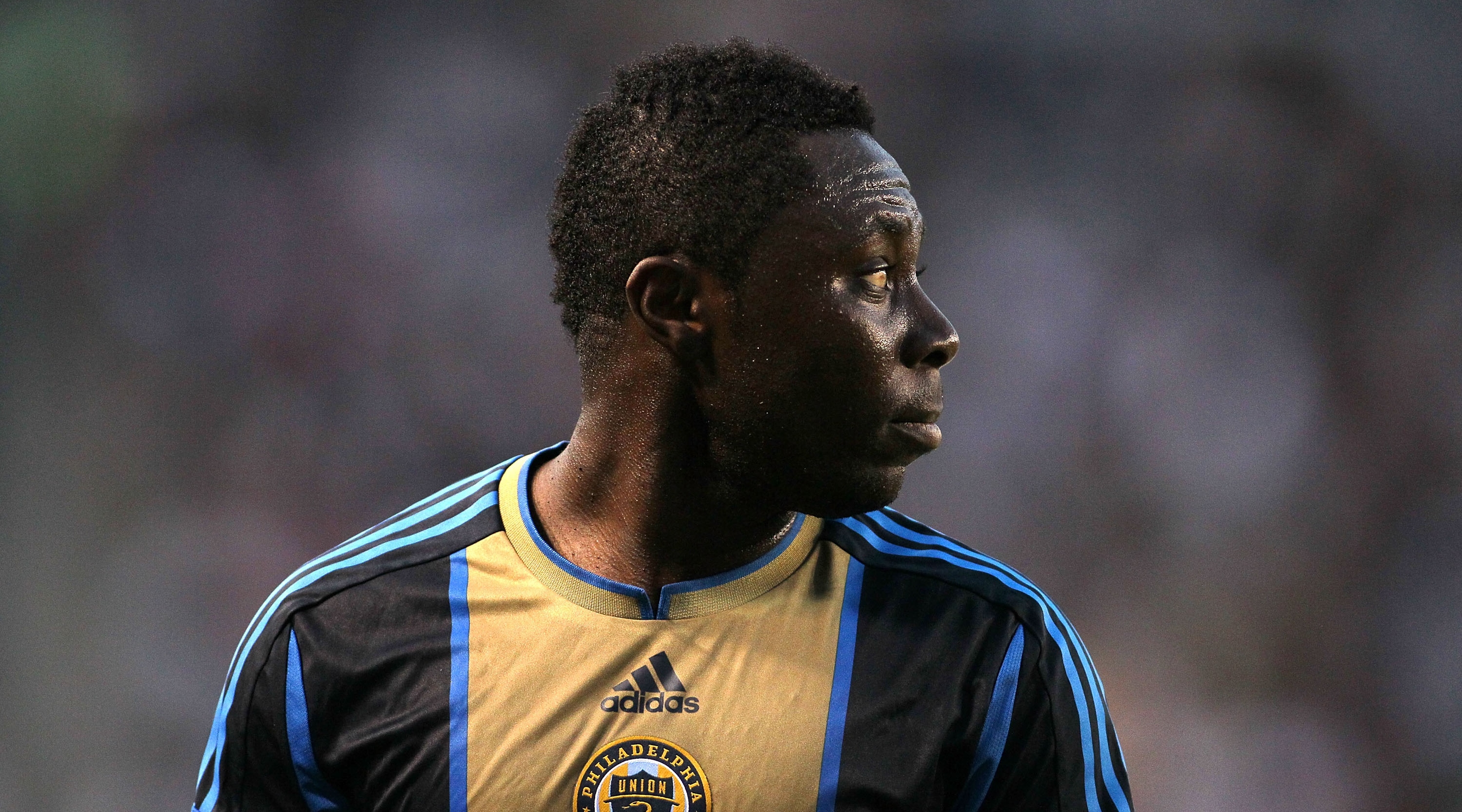
When questioned by FourFourTwo about the moment he sensed he was bound for extraordinary things, Adu remembers: “Around age 11 or 12. The club I played for, Bethesda Internationals, ranked among the four finest squads nationwide, and we had reached the national title tournament.
“Numerous squads were competing across several pitches, but whenever our side took the field, virtually everyone—every single parent and opposing player—would assemble around our pitch just to spectate.”
This marked the initial moment Adu encountered that degree of public focus, with his fixtures transforming into unmissable events for area spectators and fellow athletes alike.
“Word had spread about an 11-year-old kid competing in an under-14 division, meaning I was competing against players three years older. It was quite amazing—that was truly my earliest experience handling expectations,” he adds.
The surrounding hype continued to escalate, pushing Adu’s reputation far beyond youth competitions and into national media headlines.
Consequently, narrative parallels began forming between Adu and his childhood idol, Pele.
“Initially as a youngster, hearing that felt incredible because Pele was the player I looked up to most,” Adu elaborates.
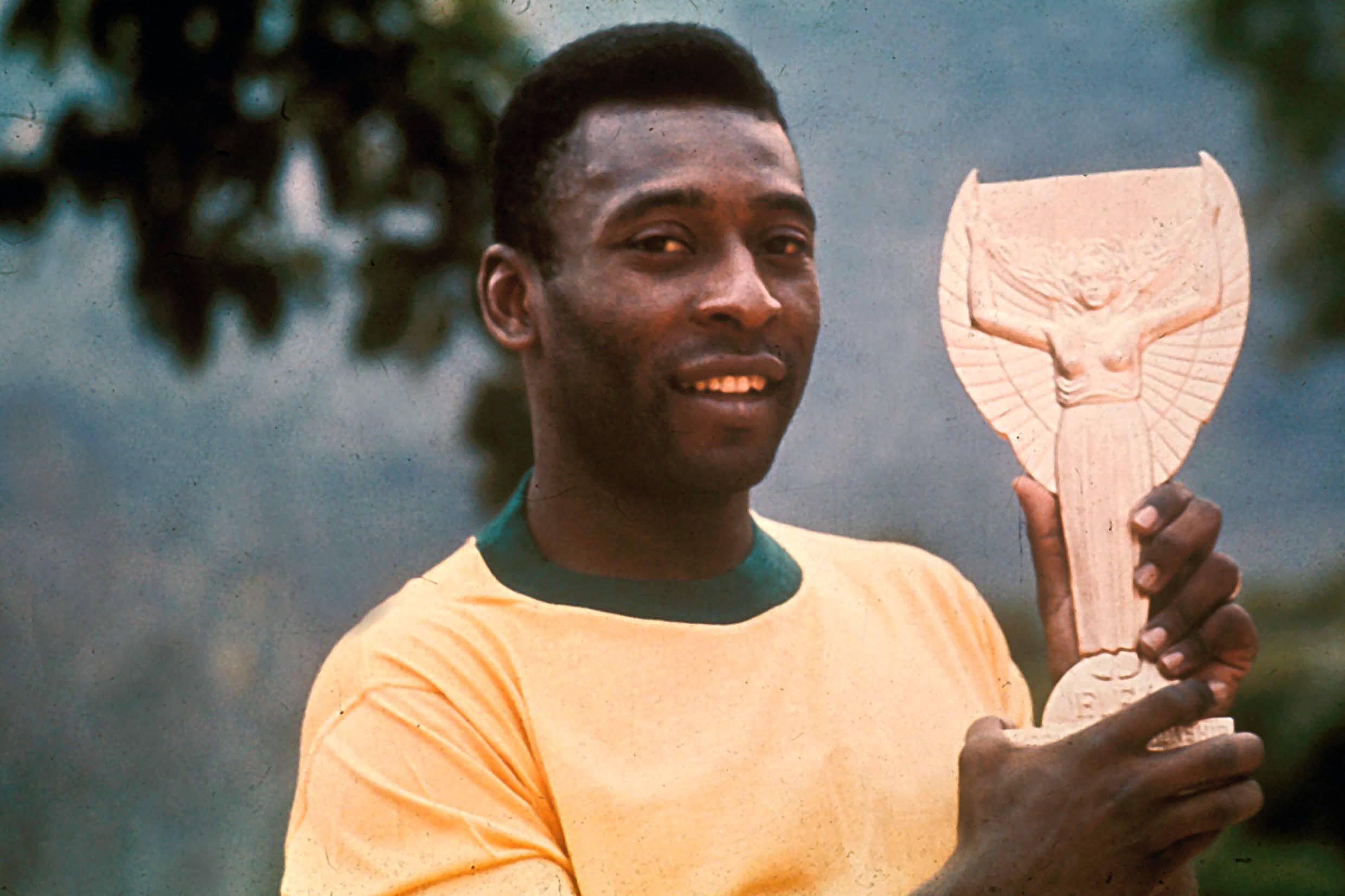
Over time, however, the gravity of the situation truly dawned on him, as being linked to the iconic three-time World Cup winner started to become a heavy burden.
“Eventually it hit me like, ‘Oh wow…’ It required a couple of months to grasp, ‘Okay, you genuinely have to deliver now,’ because nobody draws comparisons to Pele lightly. I then realized, ‘I cannot let this consume me.’
“I had to tell myself, ‘Listen, I am an individual footballer, and it is unreasonable to measure me against one of the game’s all-time legends; I am not Pele.’ I needed to accept my own identity on the pitch and concentrate on developing as myself instead of trying to be Pele.”