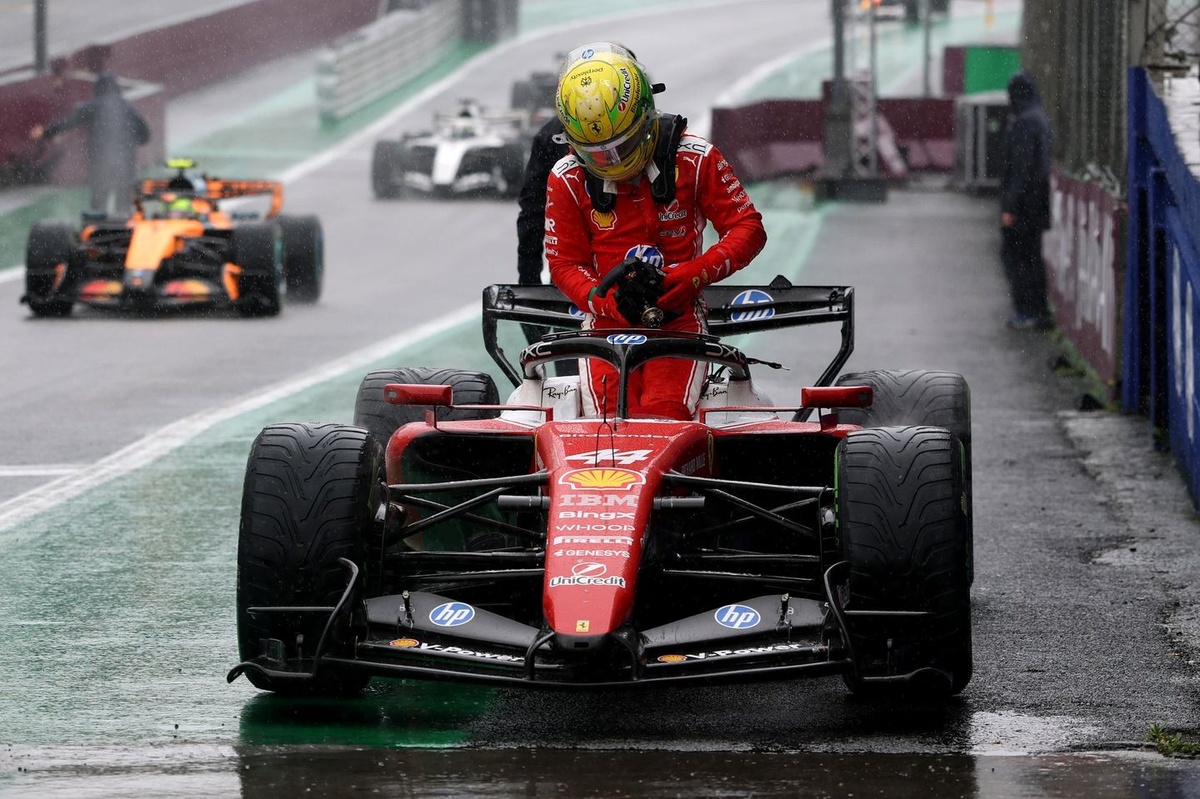
Honda reveals key F1 power unit change for 2027
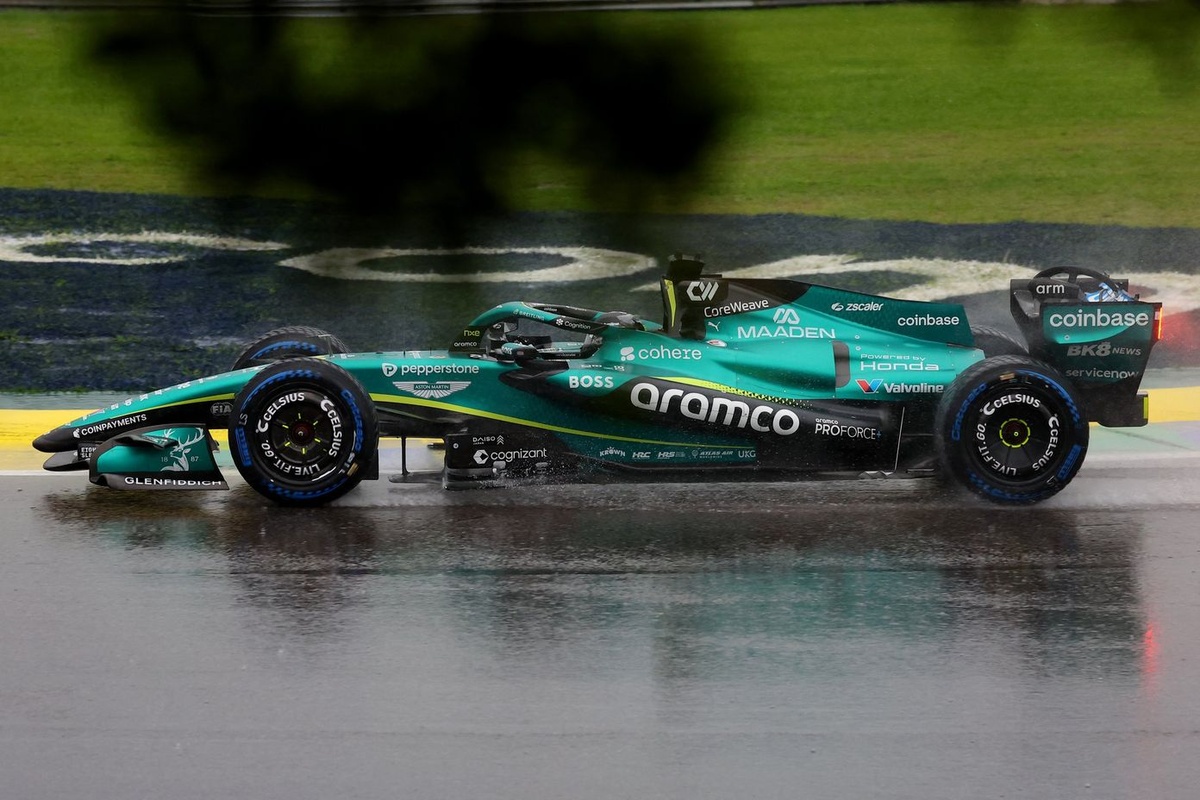
Honda has added a 2027 power-unit wrinkle while continuing to investigate the battery failure behind Lance Stroll’s Brazilian Grand Prix retirement.
Honda still could not fully explain Lance Stroll’s Brazilian Grand Prix DNF immediately after the race in Brazil. The Canadian retired for the 14th time, matching the all-time record for the most retirements in a single Formula 1 season. For any driver, that is an unwanted slice of history. For a team, it is the kind of reliability problem that demands a fast and thorough response.
Ahead of the race weekend in Las Vegas, Honda said it had gathered more information about the battery failure that ended Stroll’s race. Chief engineer Shintaro Orihara delivered the latest update as the investigation continued. In Formula 1, a battery issue is rarely just one-part failure; it can affect how the power unit stores and deploys energy, and it can force engineers to look at the system as a whole. That is why these post-race checks often matter as much as the race itself.
Honda has also revealed a key power-unit change for 2027. Even without the full technical detail in this brief, the timing is important because manufacturers map their development long before a new season arrives. A change two years out can shape design work, testing priorities and the way engineers approach durability and efficiency. It can also influence how quickly a problem like this one is understood and isolated.
For Stroll and Honda, the immediate question is whether the battery failure can be traced with confidence and kept from repeating. The longer-term question is how the 2027 change will fit into Honda’s wider plan for future Formula 1 power units. With Las Vegas next on the schedule, the next update is likely to be watched closely for what it says about both the current problem and the road ahead.