Liverpool have secured an agreement with Turkish Airlines, establishing the aviation giant as the main sponsor for the club’s legendary jerseys over the coming five years.
The branding of Turkish Airlines will feature prominently on both the men’s and women’s kits of the Merseyside team from June 2027 through June 2032 under a lucrative £300 million partnership.
Reported to be the most valuable contract in the history of the Premier League, this deal propels Liverpool to the pinnacle of the division’s shirt-sponsorship revenue rankings. But how does this historic agreement stack up against those of their top-flight rivals?
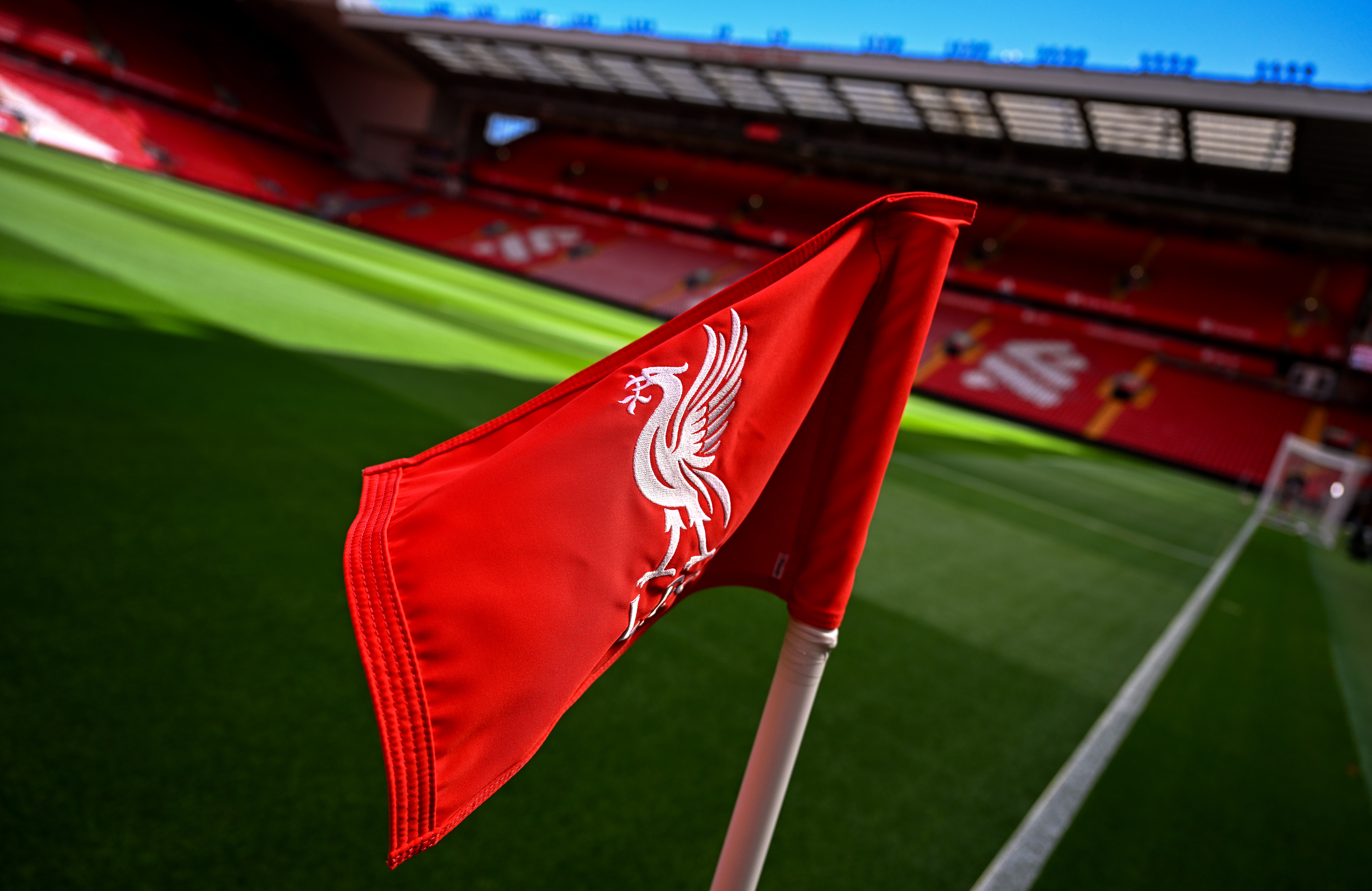
Valued at £60 million annually, the Reds’ fresh alliance matches the division’s benchmark set by Manchester United’s contract with Snapdragon. This £10 million yearly boost over their existing £50 million deal with Standard Chartered yields a substantial 20% increase in shirt sponsorship income by itself.
Though rivals like Manchester City (Etihad) and Arsenal (Emirates) bring in comparable or larger sums from their primary commercial deals, their arrangements integrate training kit branding and stadium naming rights. Conversely, Liverpool’s annual £60 million from Turkish Airlines is derived solely from main shirt sponsorship, leaving lucrative assets like Anfield’s naming rights free to be capitalized on independently, should the hierarchy choose to do so in the future.
The sheer magnitude of this financial leap is underscored when juxtaposed with the sponsorship revenues of mid-tier top-flight clubs.
The additional £10 million per year gained by Liverpool through these negotiations equals the total kit sponsorship revenue of established Premier League sides like Fulham and Everton, both of whom reportedly generated £10 million annually from their gambling-related shirt sponsors in the previous campaign.
These discrepancies highlight the expanding financial chasm in the English game; mid-table organizations such as Crystal Palace (£6.5 million) and Brighton (£6 million) pull in only a fraction of Liverpool’s new figure, while smaller clubs like Ipswich Town (£3.5 million–£4 million) would need nearly fifteen years of shirt sponsorship to equal Liverpool’s single-season earnings.
Top-flight teams are now prohibited from displaying betting firms on the front of their matchday shirts, following a collective decision to phase out such sponsorships in response to rising anxieties regarding public health and gambling addiction. The governing body introduced these restrictions to limit the exposure of vulnerable demographics, especially young fans, to gambling marketing.
This voluntary restriction, fully implemented starting in the 2026/27 campaign, seeks to sever the prominent link between club kits and the betting industry. Nevertheless, gambling enterprises can still secure exposure on jersey sleeves, stadium pitchside LED boards, and via television broadcast partnerships.