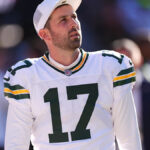
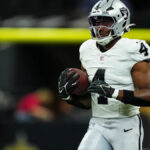
When LSU matches up with Clemson this Saturday, former NFL athletes Dae’Quan Wright and Zxavian Harris will be absent from the lineup. Both competitors, who have been embroiled in multiple legal disputes regarding their playing eligibility, were omitted from LSU’s initial Week 1 roster delivered to the SEC on Friday, ESPN reports.
Following numerous legal petitions and debates, LSU secured a significant triumph on Thursday when a judge issued a ruling supporting Harris and Wright over the SEC. This decision cleared a path for the university to name both individuals to its 2026 squad, defying the preferences of the SEC.
Nonetheless, despite the favorable judicial outcome, LSU chose in the end not to provoke the anger of the SEC or fellow conference schools, opting to exclude Harris and Wright from the lineup for the time being. However, because both are currently registered students at the institution, they can be integrated into the squad at any juncture of the season. LSU currently holds two vacant positions on its roster.
Each athlete possesses a professional background in the NFL; Harris previously agreed to terms with the New Orleans Saints back in May, whereas Wright spent time on the rosters of the Philadelphia Eagles and the Cleveland Browns prior to their respective releases and subsequent arrivals at LSU.
On Saturday morning, Louisiana-based plaintiff’s counsel Ryan Downton released an official statement regarding the situation.
“LSU has taken a calculated approach to temporarily keep these two young competitors off the active roster while maintaining a viable option to bring them aboard at a later date. This moment should be used by all parties to de-escalate tensions and focus on the objective realities.”
A legal complaint, initiated on Thursday by the SEC targeting LSU and head coach Lane Kiffin, likely played a role in the university’s final choice. Within the filing, the conference asserted that LSU and Kiffin “engaged in a systematic and planned effort to bring in professional sports figures to play collegiate football for LSU for the 2026-27 campaign, featuring individuals who had secured NFL deals with the Cleveland Browns, New Orleans Saints, and Tampa Bay Buccaneers.”
Through the lawsuit, the SEC sought validation to exercise its First Amendment protections in demanding that affiliate institutions adhere to league guidelines. To stop competitors with professional league histories from returning to the collegiate ranks, the SEC, alongside several other athletic conferences, implemented a new regulation in August designed to outlaw the practice.
However, that policy notably did not impact Harris and Wright, as the pair had previously secured a temporary restraining order from a court, permitting their transition back to college football for the 2026 season. Following the SEC’s push to outlaw the maneuver, Kiffin at first stated that LSU would abide by the conference’s directives. Yet, once it was apparent that the circumstances surrounding Harris and Wright were highly complex, Kiffin indicated he would delay his ultimate choice until the resolution of Thursday’s court proceedings.
That specific ruling provided Kiffin with the opportunity to place both Harris and Wright on the official LSU squad on Friday evening, should the administration choose to challenge the league’s authority.
Although Kiffin appeared eager to feature both players in his squad throughout the litigation, he—or the university leadership—evidently concluded that directly defying the SEC at the eleventh hour was unwise, considering the intense developments of the past week.
According to reporting by Ross Dellenger of Yahoo Sports, the judge’s Thursday decree “prohibited LSU from enacting any measures that would block the players from taking part in games.” By keeping Harris and Wright sidelined, the school may trigger subsequent courtroom conflicts if their omission persists over the coming weeks.
If LSU had ultimately placed Harris and Wright on the active roster, the institution might have encountered disciplinary pushback—or additional legal actions—from the SEC or rival programs, which were reportedly incensed by LSU’s endeavor to employ experienced professional athletes.