Sadio Mane was once an exceptional footballer. This choice of words is highly intentional—because any reality where the Senegalese attacker, currently playing second fiddle to Cristiano Ronaldo in the Saudi Pro League, earns a spot on the 30-man Ballon d’Or shortlist… simply cannot be taken seriously.
Granted, Mane secured the Africa Cup of Nations title in January. At least, he did until a subsequent legal decision stripped Senegal of the championship and handed it to Morocco several months later. Even so, does that alone justify his inclusion?
Are the Ballon d’Or organizers honestly asking us to accept that a mediocre World Cup performance, a mere 10 goals in the Saudi Pro League, and a revoked AFCON title are sufficient to rank him among the top 30 players globally, particularly in 2026?
How on earth did Sadio Mane make the Ballon d’Or 30-man shortlist?!
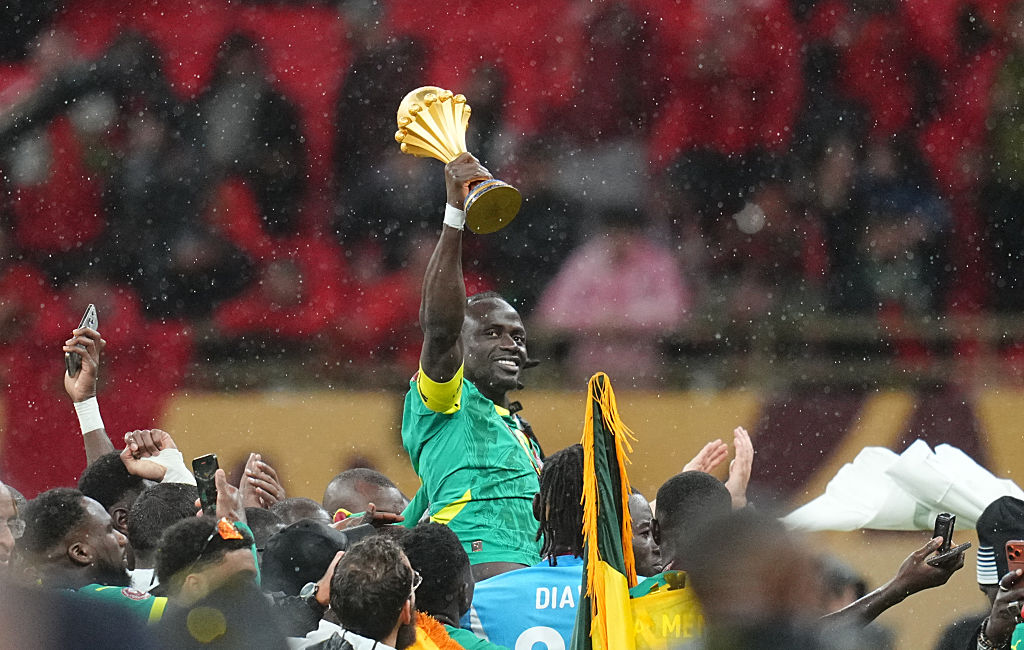
To be fair, Mane was named the best player of the AFCON tournament—an individual honor that remains intact. However, his contribution consisted of two weak assists against Sudan in the round of 16 (largely created by the brilliant work of Papa Gueye and Ibrahim Mbaye) and a single spectacular goal in the semi-final against Egypt.
His entire case for entering the Ballon d’Or shortlist rests solely on that achievement. The 34-year-old was handed the Player of the Tournament award not due to undeniable on-field dominance, but simply because of his high-profile name.
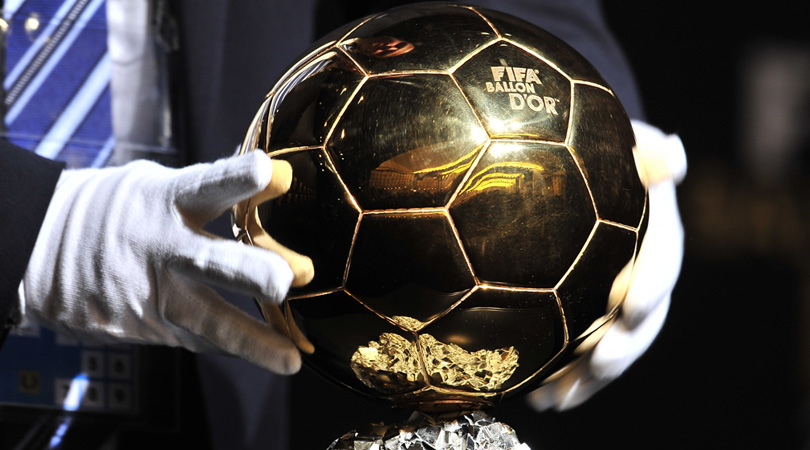
To be clear, there are several other nominees on this 30-man shortlist who are just as unworthy of their spots. Players like Julian Quinones and Dayot Upamecano, in particular, should be nowhere near the discussion for France Football’s prestigious prize.
Yet, Mane’s nomination feels especially insulting, as it highlights the flawed logic used to pick nominees and eventual winners. To begin with, why is the Ballon d’Or so incredibly preoccupied with international tournaments?
Why does winning an international competition—like Mane with the AFCON—instantly grant players a spot in the top 30 or a higher ranking from France Football over those who performed outstandingly for their clubs?
This bias was glaringly obvious in 2018, when Lionel Messi (48 goal contributions) and Mohamed Salah (60 goal contributions) were relegated to fifth and sixth place respectively in the voting.
In that same year, Luka Modric claimed the trophy largely because he secured the World Cup Golden Ball, while Antoine Griezmann somehow finished third on the podium.
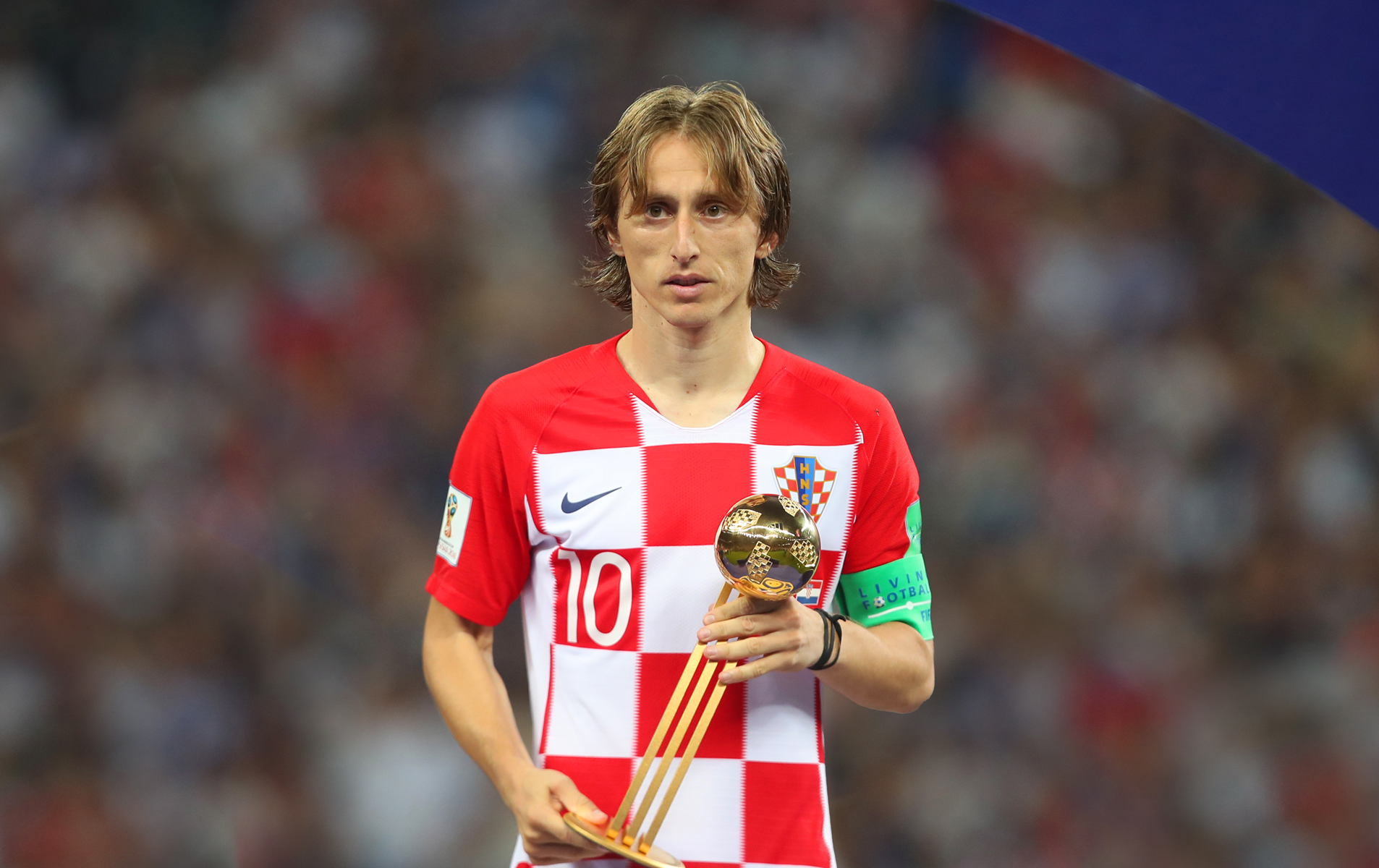
The rationale behind team trophies is highly erratic. Critics of Messi frequently point out that he claimed the 2019 award with just a La Liga title, whereas his single World Cup victory and a routine Ligue 1 title with PSG were deemed sufficient to overshadow Erling Haaland’s historic treble in 2023.
A comparable scenario occurred in 2024 when Rodri captured the prize, largely driven by Spain’s triumph at the Euros, which edged out Vinicius Junior despite the Brazilian’s treble-winning campaign.
And the following year? A treble suddenly became the deciding factor for PSG’s Ousmane Dembele. He walked away with the accolade, even though Salah and Raphinha undeniably enjoyed superior individual campaigns and secured league titles under much more demanding circumstances.
Salah set a new Premier League record for direct goal contributions and triumphed in Europe’s most grueling league, all without any of his teammates making the 30-man nomination list.
Meanwhile, Raphinha recorded an incredible 21 goal contributions in a mere 14 Champions League matches, including playing a part in three goals against Inter Milan, even as his side conceded seven in a narrow 7-6 aggregate loss.
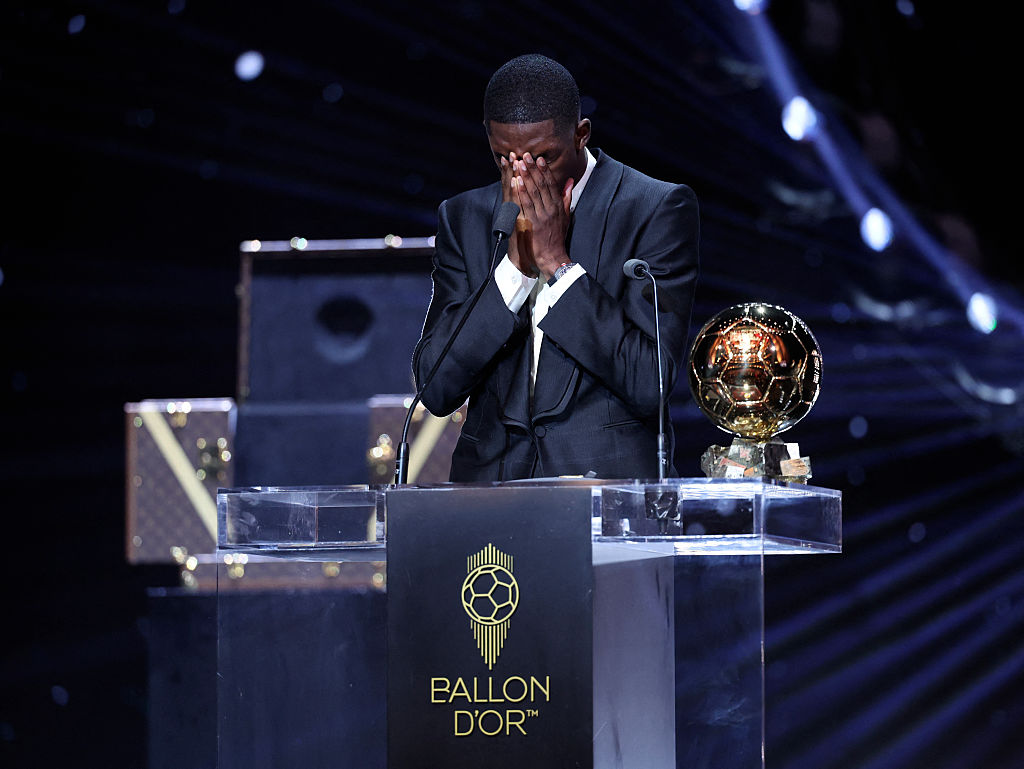
To add to that, Dembele logged a mere 1,736 minutes in Ligue 1, which translates to roughly 19 full matches.
For an accolade that supposedly honors personal brilliance, individual performances seem to be prioritized last, trailing behind domestic club trophies, with international tournaments taking top billing. This is absurd.
Mane is simply the most recent player to profit from this flawed methodology. A lackluster domestic run with Al-Nassr yielding only 10 goals during their Saudi Pro League campaign, combined with a forgettable World Cup performance where Senegal suffered a historic collapse against Belgium, were all somehow outweighed by an AFCON title that was ultimately revoked.
At the very least, he remained on the pitch against Morocco, urging his Senegalese teammates to come back after they walked off. Perhaps France Football handed him extra points for sportsmanship?