The Italian Grand Prix culminated in a commanding triumph for Max Verstappen, at the very circuit where Red Bull encountered considerable difficulties the previous year and where Verstappen characterized the vehicle as “a monster.” A year later, the situation appeared drastically different, aided by a particularly tailored low-downforce rear wing, a revitalized Honda power unit, and, most importantly, a slightly recalibrated strategy for the weekend’s competition.
“This time, the car functioned flawlessly, the strategy proved effective, so everything proceeded smoothly,” remarked Helmut Marko within the Monza paddock following the race. “And Max was utterly dominant, with the exception of that initial corner. To secure victory with a 20-second advantage over McLaren is a genuine accomplishment.”
Red Bull’s motorsport advisor was the first to anticipate a potential victory for Red Bull in Italy. The assembled media regarded the Austrian with astonishment upon his bold assertion on Friday, but post-race, Marko offered a smile: “Are you not always taken aback when I articulate something?”
Red Bull no longer “blindly” following the simulator
In a more serious vein, Marko elucidated that the team’s methodology preceding race weekends has been refined since the summer recess: “The distinguishing factor lies in the altered approach to preparing for a weekend now.
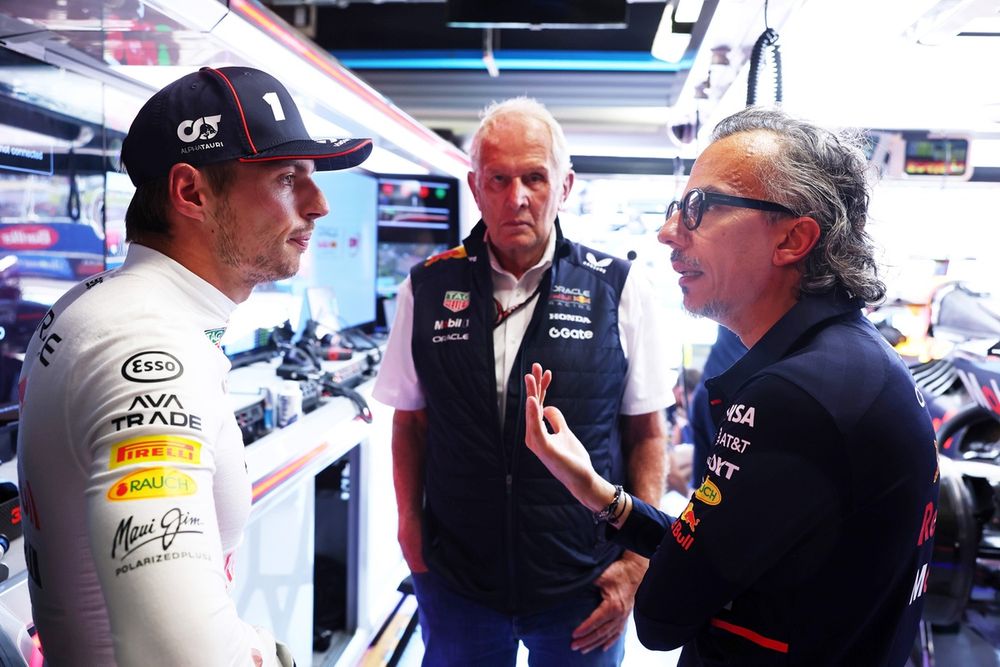
Max Verstappen, Red Bull Racing, Helmut Marko, Red Bull Racing, Laurent Mekies, Red Bull Racing Team Principal
Photo by: Mark Thompson / Getty Images
“Laurent is a distinguished engineer, and the current approach involves assimilating the data from the simulation, integrating it with Max’s expertise and the accumulated knowledge of our racing engineers. Our objective is to develop a car that exhibits enhanced predictability and driveability.
“This outcome is a testament to that strategy. Fundamentally, the car is similar to its predecessor, albeit with forthcoming enhancements that are proving effective. However, a 20-second lead over McLaren was beyond my expectations.”
When Marko alludes to a revised methodology, it pertains to the events at Zandvoort. “I had previously stated in Budapest that we were cognizant of our errors, yet unable to rectify them at that juncture. However, Zandvoort validated that our chosen path is the correct one. Zandvoort has never been our forte, and we were fortunate to secure second place, yet third was firmly within our grasp, and we have since progressed from there. Last year, we trailed the victor by 40 seconds in Monza, a time when we grappled with a challenging vehicle.”
Verstappen was instrumental in determining – and maintaining – the optimal configuration, although Marko acknowledges Laurent Mekies’ impactful presence. “The engineers now heed the drivers’ input more attentively. When you possess such a swift and seasoned driver, I believe that this is the appropriate course of action. He is, after all, the one piloting the car. Ultimately, augmenting our top speed proved crucial,” noted Marko, emphasizing that Verstappen opted to retain the low-downforce arrangement leading into qualifying, despite divergent perspectives within the team. “We observed our ability to outpace the McLarens. The driver’s insights were acknowledged.”
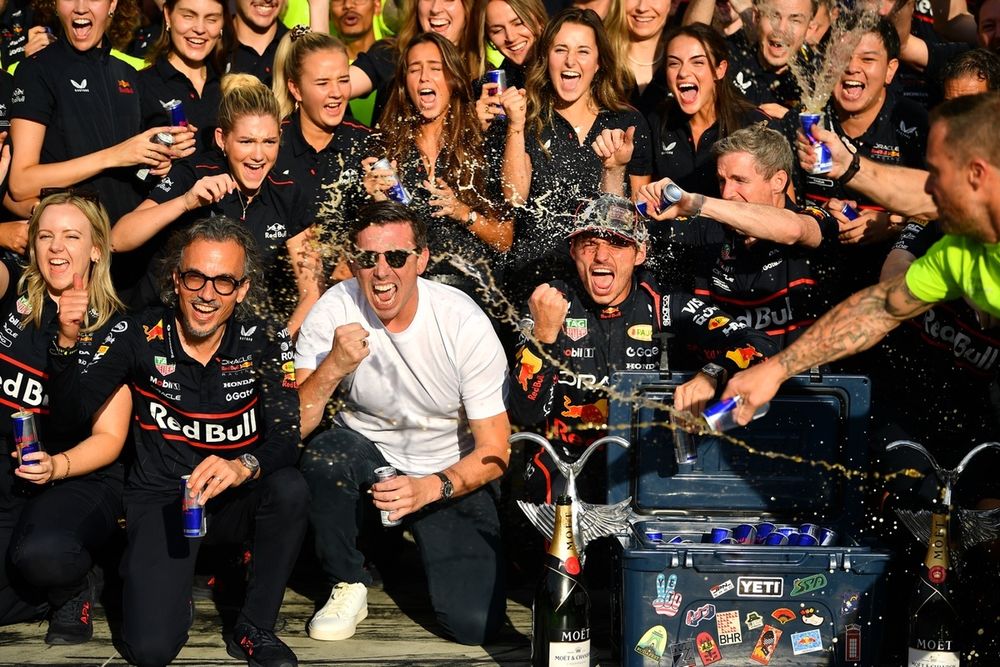
Max Verstappen, Red Bull Racing
Photo by: Mark Sutton / Formula 1 via Getty Images
Marko thus perceives considerable merit in Mekies, with whom Verstappen can engage in more technically oriented discussions: “The entirety of the technical team now exhibits greater transparency and engages in collaborative dialogue. They are not merely accepting the simulation results without critical assessment.”
Verstappen is similarly upbeat about Red Bull’s revised approach to race weekends and cultivating his rapport with Mekies.
“To date, we have encountered numerous races where we were somewhat haphazard in our approach to the car’s configuration, implementing quite radical alterations, which suggests a lack of comprehensive control,” explained Verstappen. “We lacked a thorough understanding of the optimal course of action. With Laurent’s engineering background, he poses pertinent and pragmatic inquiries to the engineers, which I believe is proving advantageous.
“Furthermore, we endeavor to glean insights from our previous endeavors. Certain elements eventually provide a sense of direction, which we consistently pursued. I unequivocally sensed an improvement in Zandvoort, and a subsequent enhancement here, which felt marginally superior.”
In this article
Be the first to know and subscribe for real-time news email updates on these topics