During the introduction of the 2026 Formula 1 regulations, the governing body, the FIA, repeatedly highlighted what they termed the “nimble car concept.”
The design goal was to make these machines more compact and less heavy, even though the actual modifications remain somewhat modest. This year’s wheelbase has been trimmed by 20cm, and the width of the new cars has been decreased by 10cm.
A lower weight limit of 768kg has been established, marking a 32kg decrease from the previous year. Along with a substantial drop in downforce levels—forcing competitors to fight the steering wheel once more and making the vehicles appear less planted—the primary targets have been met.
Nonetheless, this aspect has received very little attention over the first eight months of the year, with discussions dominated instead by grievances surrounding the engines and hybrid energy deployment.
Yet, regarding the aerodynamic and structural design, Nikolas Tombazis, the single-seater director for the FIA, maintains that the updated rules are indeed a progressive move.
“I would say so, though we must never take it for granted that the work is complete. Still, I believe competitors can run in closer proximity now,” Tombazis remarked to a chosen group of journalists, including Autosport.
The governing body reports that the impact of aerodynamic turbulence has dropped back to the levels observed in the opening season of the prior regulatory cycle. Tombazis remains optimistic that engineers will find it harder to disrupt the system this time with ingenious designs that bypass the intent of the guidelines.
“My view is that we stand in a comparable position to the beginning of the 2022 campaign, but the framework is far more resilient this time around,” he added.
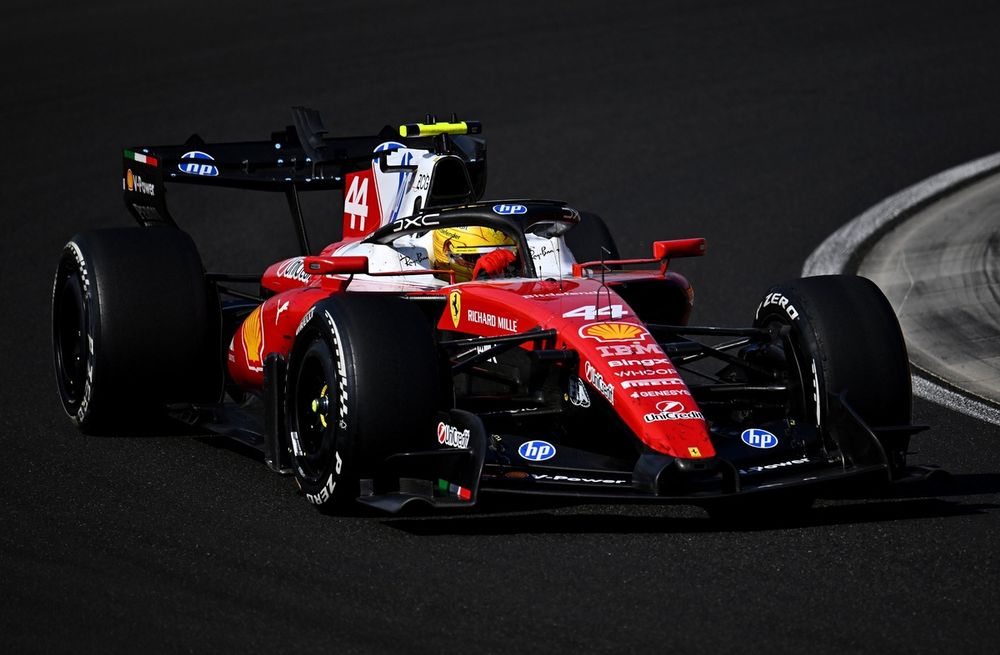
Tombazis points out that the 2026 vehicle aerodynamics still offer a stern test for those behind the wheel
Photo by: Guido De Bortoli / LAT Images via Getty Images
“Among the different aero designs we’ve analyzed, nothing has emerged to exploit or disrupt the core idea, whereas the prior ruleset featured several loopholes that genuinely degraded the overall intent.
“This was particularly true for the previous car’s front wing endplates, the floor perimeters, and the various attachments around the front wheels. These elements severely deteriorated the trailing airflow profile. We have integrated those lessons, and we trust that similar flaws have been avoided.”
Beyond the dynamics of close racing and turbulent air, Tombazis views the demanding nature of these new vehicles as a positive attribute for the sport.
“These machines remain a handful to control, which is how it should be; they shouldn’t be easy for just anyone to handle,” he stated. “Certain aero constraints prevent engineers from completely stabilizing the vehicle through all phases of a turn, forcing the drivers to cope with these difficulties.
“Given that we feature the 22 finest racers on earth, their machinery should certainly not be something my grandmother could easily navigate.”
Furthermore, the physical toll on the drivers has been somewhat reduced, especially since the earlier ground-effect models demanded extremely low and rigid setups. “We have slightly increased the minimum running clearance, so they are not quite as punishing to ride in as they were last season,” Tombazis explained.
Formula 1’s 2031 Vision: Shaving Off an Additional 80kg
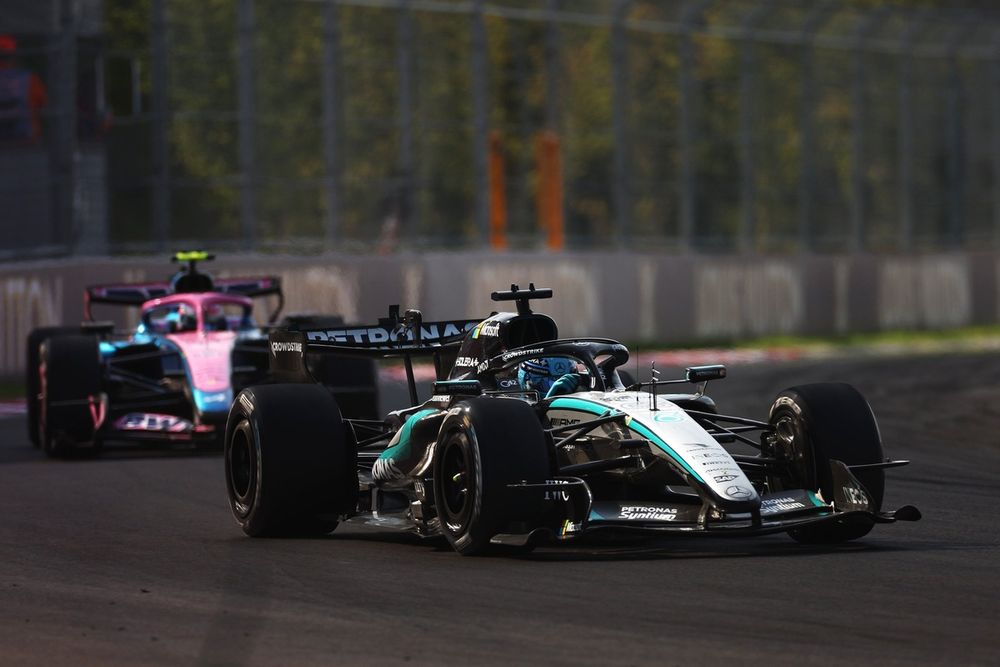
The FIA hopes the subsequent regulatory cycle will introduce a further 80kg weight reduction and streamlined engines
Photo by: Alastair Staley / LAT Images via Getty Images
While pleased with the current structural and aerodynamic direction, Tombazis emphasizes that the governing body intends to push the boundaries further. Though such deep changes cannot occur in this immediate cycle, they represent the goals for the subsequent rule changes slated for 2031, or possibly 2030 if consensus is reached.
“The competitors have welcomed the slight decrease in weight and dimensions,” Tombazis observed. “But is this the ultimate goal? Absolutely not. My preference would be to shave off another 80 kilograms, while continuing to reduce the overall length and width down the road.
“That is our ultimate target: taking a massive leap forward from the constraints of our current design. While this current adjustment is a solid move, I would not claim the mission is accomplished. Our aim is a major reduction in overall mass and scale in the future.”
At present, however, Tombazis finds reason for optimism, especially because the decades-long trajectory of Grand Prix cars growing increasingly bulky and heavy has at last been turned around.
“To my recollection, this marks the first time since perhaps the turn of the millennium, if not even earlier, that Formula 1 machinery has actually shed weight,” he concluded.