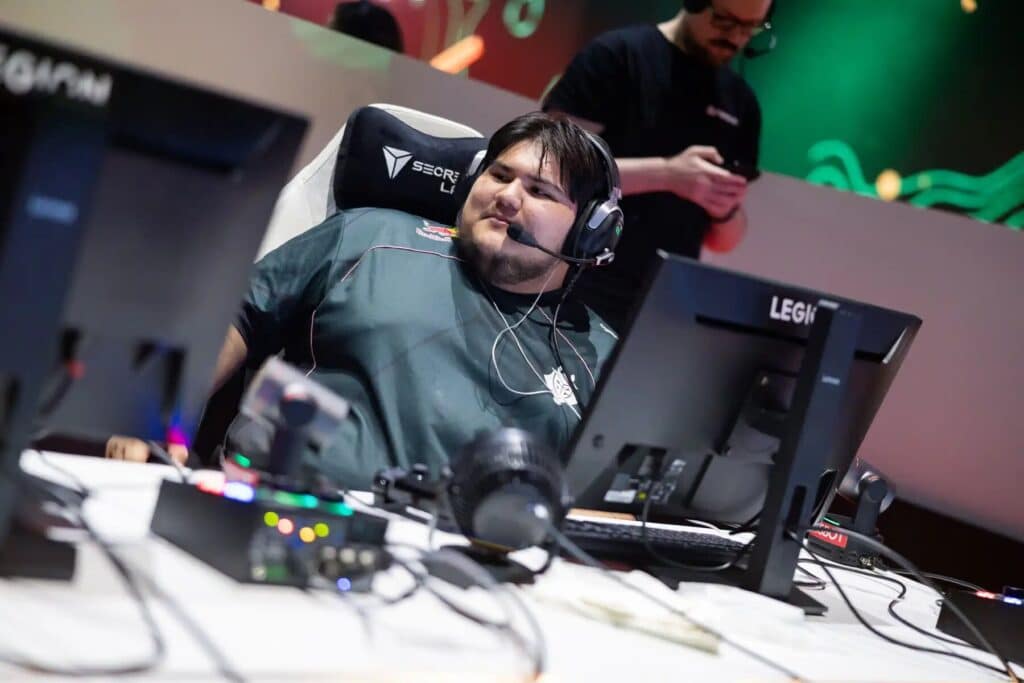
For battle royale experiences like Call of Duty: Warzone, sound is a vital element for competitors entering the fray. Fine-tuning these audio parameters allows combatants to detect the movement of approaching adversaries, dramatically improving situational awareness as they map out their next tactical maneuvers across the arena.
Once the Warzone Resurgence Series (WRS) wrapped up, intense discussions regarding customized sound profiles erupted among community members and prominent figures. To secure a sharper competitive edge, various contenders employ equalizer software, audio compression, and other digital modifications to extract superior sound cues.
Fair play remains a cornerstone of professional gaming to maintain equal opportunities for all participants. Because audio manipulation is already prohibited in rival games, the professional Warzone community faces the threat of losing credibility within the broader battle royale ecosystem.
The perks (and competitive edges) of modifying sound profiles
Sound customization permits competitors to calibrate acoustic details far beyond what the default options in Warzone allow. Diverse programs offer custom equalizer configurations engineered to dampen gunfire and ambient interference, thereby magnifying the positioning and movement of enemy steps.
To some extent, simple equalizer tweaks and sound balances are categorized alongside visual configurations or input preferences. Be that as it may, utilizing independent software to maximize these benefits undermines the spirit of esports, particularly where tournament structures aim for absolute fairness.
By exploiting amplified audio, certain participants gain an asymmetric superiority over rivals who limit themselves to standard, universally accessible options. Addressing this acoustic manipulation, Warzone streamer IceManIsaac argued that the Call of Duty community is dangerously accepting third-party applications that distort competitive integrity in professional settings.
Warzone stands alone as an exception
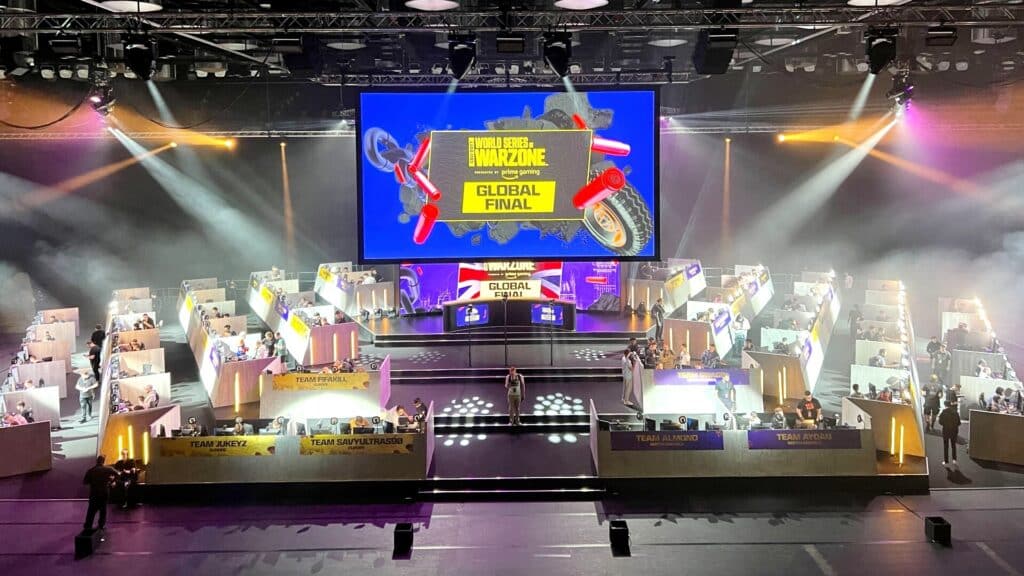
While addressing assertions that audio manipulation equates to cheating, Isaac pointed out that professional leagues for Apex Legends, Fortnite, and Battlefield 6 have prohibited external programs that provide an unearned competitive edge.
“Call of Duty is completely isolated in validating this unbalanced element,” he explained. “Sanctioning software-driven superiority during sanctioned Activision tournaments represents the fastest route to encouraging competitors to seek out alternative external modifications.”
In his social post, he urged: “Prohibit sound tuning in professional matches and banish competitors who utilize it. This practice must end, and you have the responsibility to spearhead this campaign.”
Echoing Isaac’s sentiments, Repullze maintains that the authority to restrict sound tuning rests solely with the game’s publisher: “Since external downloads are prohibited at physical events, audio programs naturally fit under that ban. However, if Activision remains silent on the matter and doesn’t explicitly outlaw it, it is not my place to make that determination.”
When prominent voices draw attention to flaws within Warzone, it often forces the development team to implement updates that restore competitive balance. For instance, the launch of Warzone 2.0 featured noticeably sluggish movement mechanics, which highly irritated the community. Following a wave of prolonged criticism, Raven Software ultimately accelerated the movement system to facilitate a smoother flow and elevate the skill ceiling. When the user base expresses their dissatisfaction collectively, decision-makers are forced to listen.
Even though participants are forbidden from installing third-party tools during offline LAN events, monitoring remains difficult, leaving opportunities to bypass these rules both on-stage and during remote qualifiers. This loophole casts a shadow of suspicion over the legitimacy of every major Warzone tournament.
Should even a single elite player be exposed utilizing these acoustic aids, it would establish a damaging standard that the scene might struggle to move past.
An urgent call for publisher intervention
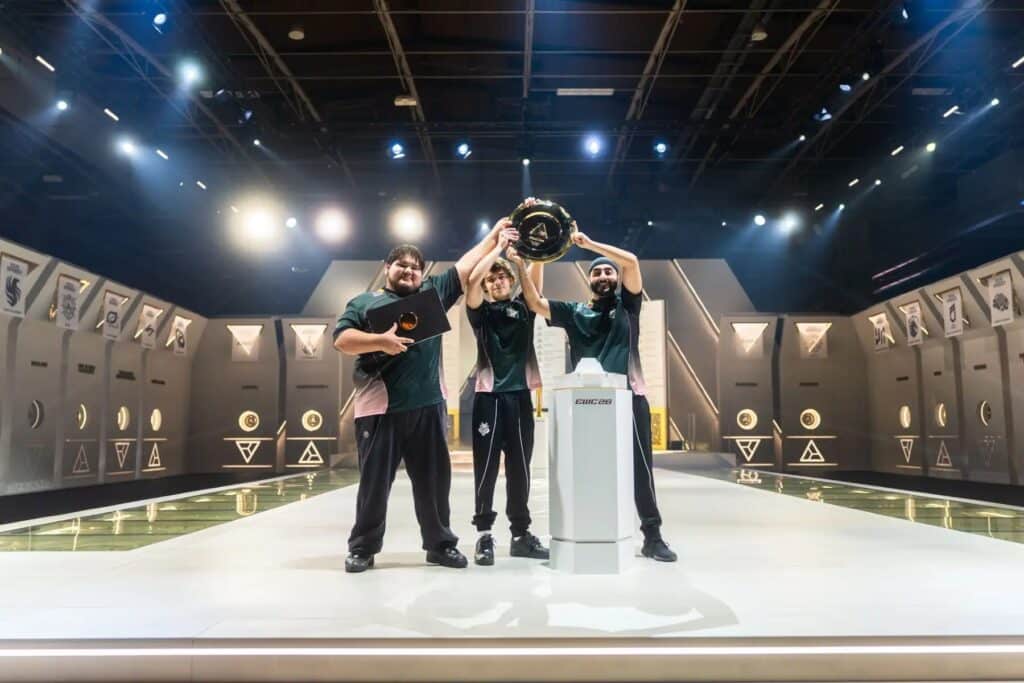
While alternative gaming studios have actively intervened to block third-party adjustments, Activision has remained passive regarding the proliferation of modified soundscapes in Warzone tournaments. Given that rival battle royale games have taken clear preventative actions, the sluggishness of Call of Duty’s owner to safeguard the reputational value of the World Series of Warzone remains baffling.
Considering that Activision pours massive financial resources into organizing a premium Warzone competitive framework, implementing a minor adjustment in their official guidelines to secure a fair environment for all competitors seems logical. As the next iteration of the World Series of Warzone approaches in early 2027, updating the ruleset prior to the launch of the qualifiers is entirely feasible.
The unpredictable nature of battle royale matches already provides plenty of excitement for spectators. If elite competitors require auxiliary software to register basic acoustic cues, their claim to the highest tier of play comes into question. Activision needs to align itself with industry standards set by competitors if it wants its competitive franchise to retain its status among premier global esports.
Without these changes, persistent criticism from the community will persist in dimming the achievements of what should be a stellar stage for Warzone’s elite.
The finest players in the community are celebrated for leveraging physical mastery and rapid tactical thinking to survive until the end. Rather than allowing raw talent to dictate the outcome of high-stakes matches, the artificial disparity introduced by audio modification shifts the focus, letting match results depend on advanced acoustic amplification rather than rewarding the most strategic and capable competitors.