Hardly any subjects within the Formula 1 pit lane have sparked as much administrative friction over the opening phase of the championship as the Additional Development and Upgrade Opportunities, known as ADUO.
This mechanism was originally designed to support struggling engine suppliers, a measure prompted in part by the difficulties Honda faced under the prior rule set. In reality, however, it has evolved into a highly contentious political issue.
Mercedes boss Toto Wolff was quick to caution that the system must not serve as a shortcut to bypass rivals. Nonetheless, there was widespread astonishment when the FIA’s initial classification placed Red Bull Ford Powertrains at the very top, ahead of Mercedes High Performance Powertrains.
This outcome stems from two primary factors. To begin with, the ADUO evaluation process focuses exclusively on the internal combustion unit. This creates a major misalignment between the testing parameters and the actual scope of development, which encompasses hybrid and electrical components as well.
Furthermore, rumors in the paddock indicate that a number of engine builders—most notably Mercedes and Ferrari—strategized effectively by withholding their maximum performance during the initial Grands Prix to guarantee themselves at least one, and in Ferrari’s situation, potentially two development allowances.
This initial phase’s conclusion has triggered annoyance within the Red Bull camp, which sheds light on why these figures have not yet been officially disclosed to the public.
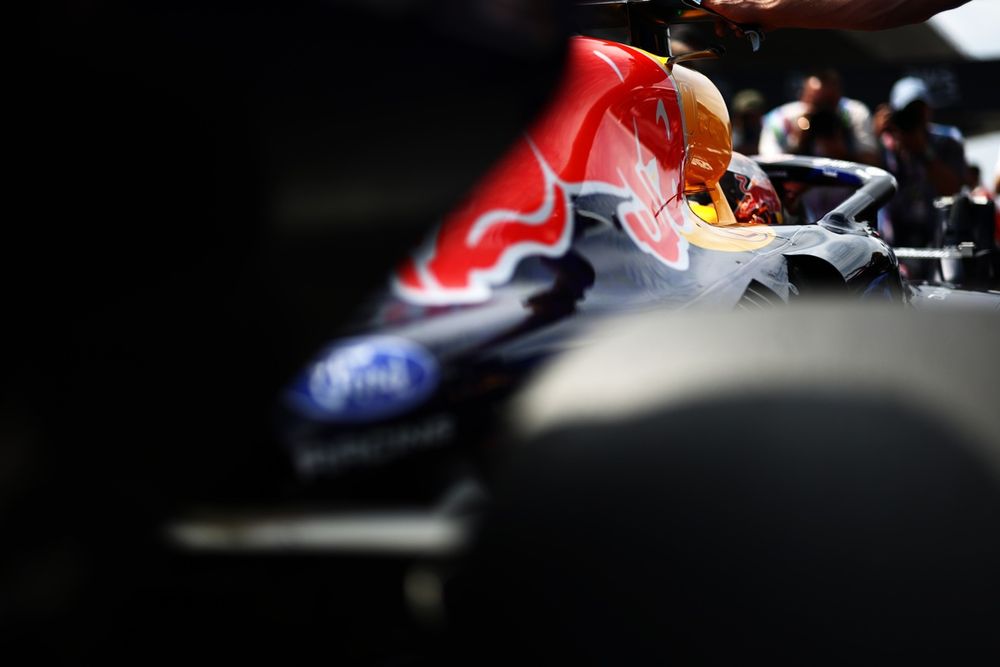
Senior management at Red Bull expressed irritation after the FIA ranked Red Bull Ford Powertrains as the leading manufacturer in the initial review period
Image credit: Mark Thompson / Getty Images
Nikolas Tombazis, who oversees single-seater matters for the FIA, had previously mentioned his willingness to integrate extra metrics into the ADUO evaluations, including dimensions of the turbocharger. However, competing teams and engine builders advocated for maintaining a highly simplified framework.
This situation prompts the question of whether the governing body was caught off guard by the intense disputes surrounding the ADUO system this year, a point put to Tombazis by Autosport.
“In Formula 1, virtually every topic tends to be highly sensitive,” the Greek official explained. “Consequently, it is extremely uncommon to see all eleven outfits and the half-dozen engine suppliers declare that they are in complete accord.”
“The solitary policy that commands total agreement is the summer break in August—and I must point out that I was the one who proposed it.”
“Yet that remains the sole point of consensus. Everything else is a struggle. Even the summer shutdown required a long time to get approved; for instance, Franz Tost was completely against it during his tenure.”
Tombazis believes that when evaluating the ADUO program, one must separate two distinct factors: the precision of the data collection and the overall effectiveness of the system in meeting its intended goals.
Following the discontent regarding the first round of results, Red Bull called for a formal audit of the figures. However, Tombazis maintains that the FIA’s calculated data has stood up to scrutiny.
“With everyone being so fiercely competitive and intensely focused on where they stand relative to their rivals, everything becomes a touchy subject. So indeed, it has been a significant hurdle,” he added.
“From my perspective, our data collection has shown high precision. Even so, has the entire process been flawless? Clearly not, as evidenced by the widespread dissatisfaction. Is it necessary to explore refinements for the future? Yes, I believe that is the case.”
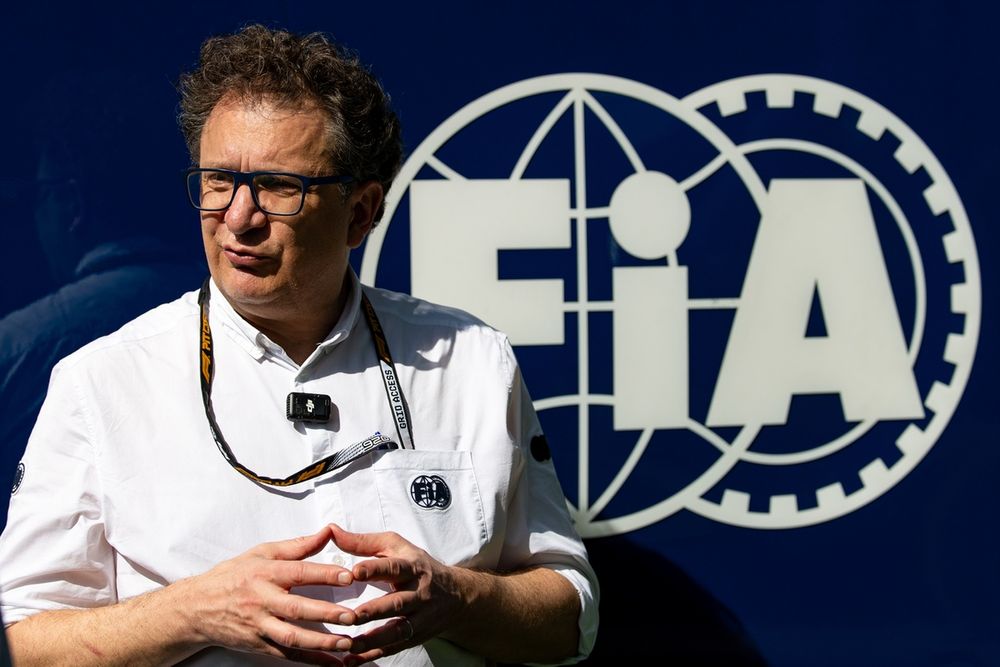
While Tombazis concedes the regulatory framework might need updates down the road, he maintains that the current assessments are correct
Image credit: Kym Illman / Getty Images
An obvious vulnerability in the current setup is that rival engine builders could essentially trap Red Bull in a corner. By strategically choosing not to spend their allocated tokens on combustion engine upgrades, they can technically keep Red Bull anchored at the head of the standings for an extended duration.
Tombazis, however, doubts such extreme tactics will materialize: “I don’t think it makes logical sense to permanently run below your potential just to accumulate development credits. After all, what use are development opportunities if you never actually use them to reach the front?”
Nonetheless, the 58-year-old official acknowledges that the current framework demands revision for the future: “While the mechanism is performing exactly as planned, it clearly has weak spots that require our attention moving forward. To streamline the workload and reduce friction, we must introduce enhancements down the line.”
An obvious remedy would involve evaluating the complete power unit assembly rather than just the combustion engine, though Tombazis declined to elaborate on precise concepts for now.
The ADUO framework serves Honda, but is it beneficial for the rest of Formula 1?
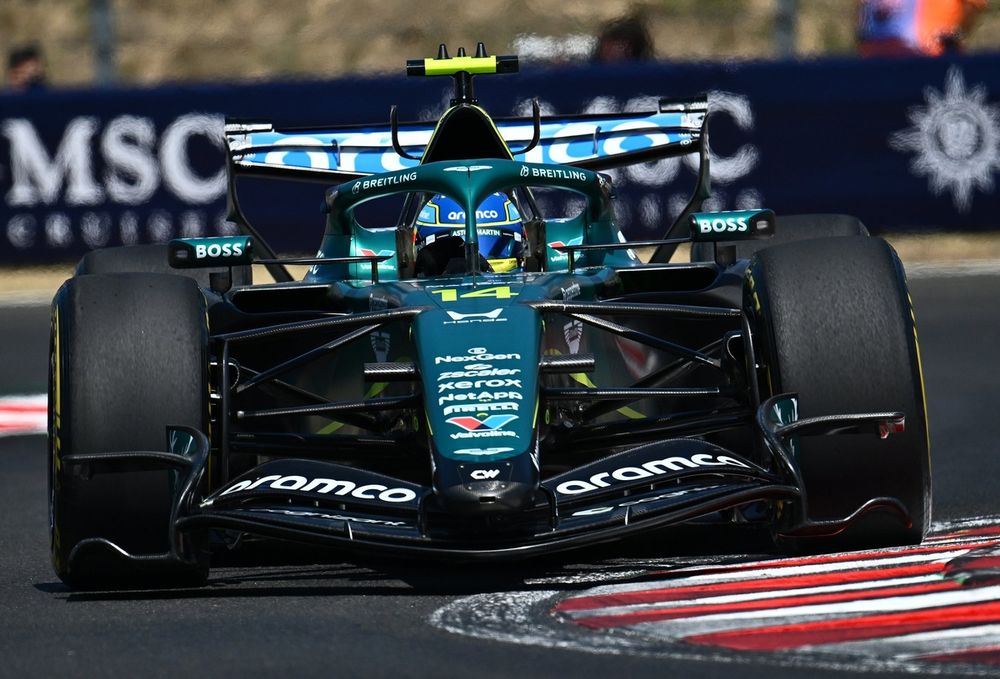
Honda is set to debut its initial ADUO-backed upgrade package at Zandvoort, declaring that the mechanism is highly effective for the supplier facing the greatest deficit
Image credit: Guido De Bortoli / LAT Images via Getty Images
As the brand currently facing the most significant performance gap, Honda represents the perfect embodiment of what the ADUO system was conceptualized to address.
Shintaro Orihara, Honda’s chief engineer and trackside director, confirms the current setup is beneficial for them, though he acknowledges the merit of revising the concept in the future to support the entire grid.
“The data we were given by the FIA seems highly plausible and equitable. Moreover, the ADUO framework has given us the drive to aggressively pursue engine updates,” Orihara explained to Autosport.
“Therefore, it remains hard to determine if the ADUO regulations are functioning perfectly overall. But for our team, it has yielded the greatest possible scope to upgrade our unit.”
“Perhaps modifications will be needed after observing its broader impact on Formula 1. It is proving effective for Honda, but we must watch how it affects other builders to ensure parity. For now, it seems balanced for us, but constant vigilance is required.”
Your feedback matters to us!
Tell us what content you would like to experience going forward.
Participate in our survey
– The Team at Autosport.com