Some observers contend that Chelsea excel far more at navigating the transfer market than they do at securing victories on the pitch. The recent summer window has done little to alter that perception.
Although opposing supporters frequently ridicule and deride the sheer scale of player transactions at Stamford Bridge, the truth is that the club handles this business remarkably well. Following the 2026 summer window, Xabi Alonso’s squad has come out more formidable, better structured, and as the clear leaders of market dealings.
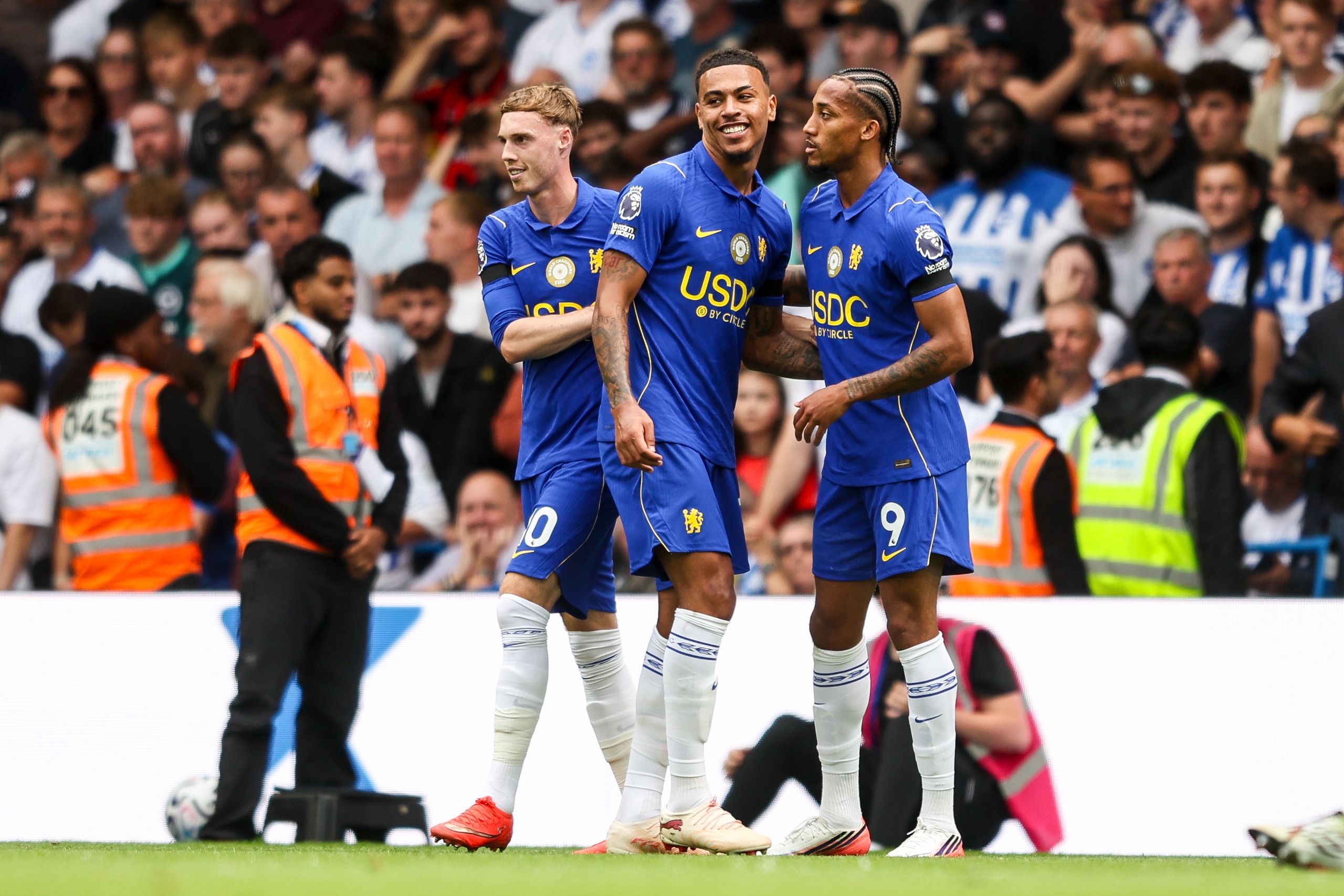
Securing the high-profile signing of Morgan Rogers represents outstanding business, despite the premium price tag. Integrating Rogers into the team provides Chelsea with arguably the most devastating attacking trio in the Premier League, flanked by Cole Palmer and Joao Pedro, and backed up by impressive squad depth.
Chelsea’s Transfer Market Supremacy
Just as vital is the development at the defensive end of the field, where securing 2022 World Cup champion Emiliano Martinez offers an instant improvement over Robert Sanchez, addressing a troublesome role that has hindered the team for years.
The Blues wrapped up their transfer business with a net profit of £35 million, even after spending £349 million on new acquisitions. The London club brought in an impressive £384 million through player departures, commanding substantial sums for figures such as Liam Delap, Nicolas Jackson, and joint-British record transfer Enzo Fernandez.

Even during Alonso’s short time at the helm, Chelsea’s signing strategy has shifted, likely guided by the Spanish manager’s vision, shifting away from the strict, youth-only focus that characterized the initial phases of the BlueCo ownership model.
Understanding that unproven talent needs seasoned mentors to truly thrive, the former Real Madrid coach approved the signings of Jordan Henderson, Danny Welbeck, and Martinez. Introducing these three experienced veterans to the squad delivers the poise, guidance, and championship experience required to create a much more harmonious team dynamic.
At the same time, the influx of bright young prospects shows no signs of slowing down. The acquisitions of Valentin Barco, Marco Palestra, and Geovany Quenda bring fresh vigor and intense competition for positions throughout the roster. Combined with the guidance of experienced squad members, the makeup of Chelsea’s team appears more robust than it has in years.
Arguably the most remarkable feat was how effectively Chelsea managed to offload redundant squad players.
Surplus squad members who were set to be left out of the official 25-man Premier League roster—such as Marc Guiu, Tosin Adarabioyo, Benoit Badiashile, Mykhailo Mudryk, and David Datro Fofana—were successfully transferred, with the majority commanding respectable fees.
Even though opposing clubs were well aware of Chelsea’s urgency to trim their bloated squad, the Blues maintained strong leverage at the negotiating table. Consequently, they raised crucial funds to aid their financial books, all while successfully steering clear of FIFA and FIFPRO’s latest regulations against isolating unwanted players, which permit marginalized athletes to seek contract terminations.
Of course, no transfer period is entirely perfect, and this was true for the Blues as well. Failing to secure late deals for midfield targets Lamine Camara and Manu Kone leaves Alonso with slightly fewer options in the center of the park than he would prefer, particularly after Enzo Fernandez’s move to Manchester City.
Taking a broader view of their summer activity, Chelsea have, against the odds, succeeded once more. Reaping £384 million in outgoing transfers while building a clearly superior, more balanced, and deeply talented squad is an undeniable triumph. Unburdened by European fixtures, the club is perfectly positioned to mount a genuine challenge on the domestic front.