
Just recently, Anastasija “Heccu” Tolmačeva, a Counter-Strike interviewer, released an emotional video that strongly impacted numerous esports professionals throughout the sector.
Heccu’s video revealed her difficulties securing independent work within the Counter-Strike competitive scene, detailing the emotional and monetary toll it had taken. This revelation triggered a cascade of encouragement from the CS community, alongside numerous accounts from other esports experts sharing comparable career challenges.
The video by Heccu struck such a chord because it articulated the prevalent difficulties encountered by esports practitioners within the existing structure. With precarious employment, intense market rivalry, and uncompensated efforts, the viability of a long-term esports career in the modern era is questionable.
Those Working In Esports Incur A ‘Passion Tax’
Initially, when embarking on my esports journey, I believed pursuing an esports degree was the optimal path. Without delving into the merits or relevance of such qualifications, I bring this up because a phrase coined by a former peer – ‘passion tax’ – has resonated with me deeply since that time.
What precisely did she signify by this ‘passion tax,’ particularly within the context of esports employment? This sector fundamentally relies on enthusiasm. It was this zeal that spurred gaming enthusiasts to organize the earliest competitions and champion enhanced infrastructure and professional standards at the industry’s inception. Even now, a fervent commitment remains a critical prerequisite for most esports positions. It empowers professionals to refine their skills and enhances the appeal of our offerings—the contests, teams, and narratives—to esports viewers.
Simultaneously, individuals working in esports frequently undertake extra obligations driven by their dedication to the domain. Such commitments encompass monitoring pertinent tournaments for over eight hours daily across various global regions, or personally funding their attendance at live events.
Such an intense dedication has, to a certain extent, evolved into an unspoken prerequisite, particularly in volunteer capacities. Numerous esports career paths commence with uncompensated entry-level positions. A significant number of Tier 3 and even Tier 2 initiatives continue to depend on workers who receive no pay or insufficient pay, rendering adequately compensated positions uncommon.
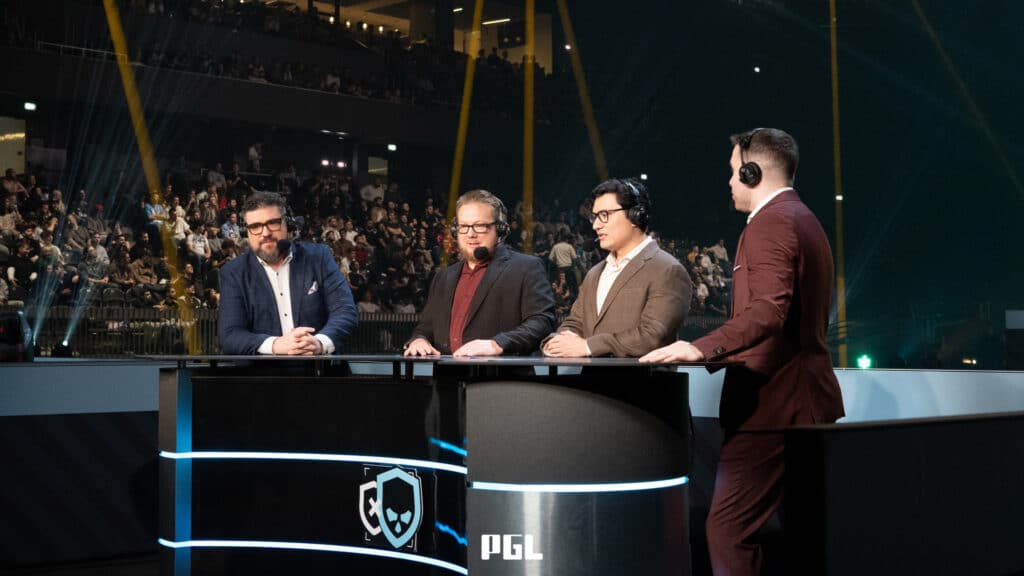
While I’m reluctant to deliver unwelcome news, enthusiasm alone cannot cover my living expenses. In fact, dedicating oneself entirely to esports frequently means foregoing more secure financial avenues, as managing esports commitments alongside a conventional occupation is often unfeasible for certain roles within the industry. Furthermore, the ‘passion tax’ can cause any criticism of the esports employment framework to be perceived as unwarranted grievances.
Ultimately, having a gratifying profession in an area one deeply cares about is indeed an advantage.
“It’s so fascinating how in the 10 years I’ve been TOing, there has been no change to this culture of expected sacrifice,” remarked FGC figure KhalilTheSeer in a recent X (previously Twitter) post. “In fact, I feel it’s gotten worse. People being compensated for their time/effort does not take away the passion.”
Moreover, a considerable number of us opt to join or remain within this environment, fully cognizant of the accompanying financial instability and psychological toll. Heccu, in her recording, characterized this possibly illogical devotion to her profession, despite inadequate remuneration, as an “unrequited fondness for the CS scene.”
Nevertheless, she underlined: “No one promised me anything, and no one forced me into this commitment. It was my decision, and it was I who chose to enter the freelancing environment, okay? No one owes me anything at all. With all of this in mind, I am not demanding anything. I’m also not asking for a favor.”
What Qualifications Suffice For Esports Employment?

What if one completely absorbs the ‘passion tax’? Consider Heccu, an interviewer possessing extensive experience in the CS environment, a history of top-tier broadcast appearances, proficiency in conducting interviews in two languages, and strong connections within her professional circle.
Despite this, she encounters difficulty securing roles at CS events, to the extent that she now relies on her personal savings instead of earnings from esports.
This presents a challenging scenario, prompting inquiries into why an individual possessing her extensive capabilities remains unhired. Both in her video and during her segment on the CS podcast, Feed The Trolls, Heccu detailed how this uncertainty has negatively impacted her psychological state. Even broadcast personalities like Heccu, who meet every criterion, find it insufficient in the fiercely competitive esports employment landscape.
“Something I have realized over the last five years doing talent work is that hard work doesn’t pay off, and passion doesn’t get noticed or matter. Heccu is probably the best example of this, as she has just done nothing but GRIND, and her passion is infectious,” commented CS broadcast personality Freddie “GrimyRannarr” Pritchard.
“And as she says, as a talent member, you never have any idea why you didn’t get hired for an event, or even why you do get hired for an event. Real feedback is very hard to come by, and it makes everything 10x harder when you have no idea what you are doing well or badly.”
The absence of clarity not only complicates the growth of talent but also intensifies feelings of self-questioning within an already cutthroat setting. Inquiries like “Why am I not chosen over this individual? Why am I achieving less?” are mental spirals that can readily arise unsolicited.
“I think it’s worse for women,” emphasized CS host Sam “Tech Girl” Wright on Feed The Trolls. “HLTV almost always, like once every three months, has someone start a forum post about rating the women in esports and who they’d wanna do at the top. And like, whatever, that’s what you wanna do. But I never see them making the same lists about the boys.”
‘Uncertain Futures’: A Contracting Employment Sector
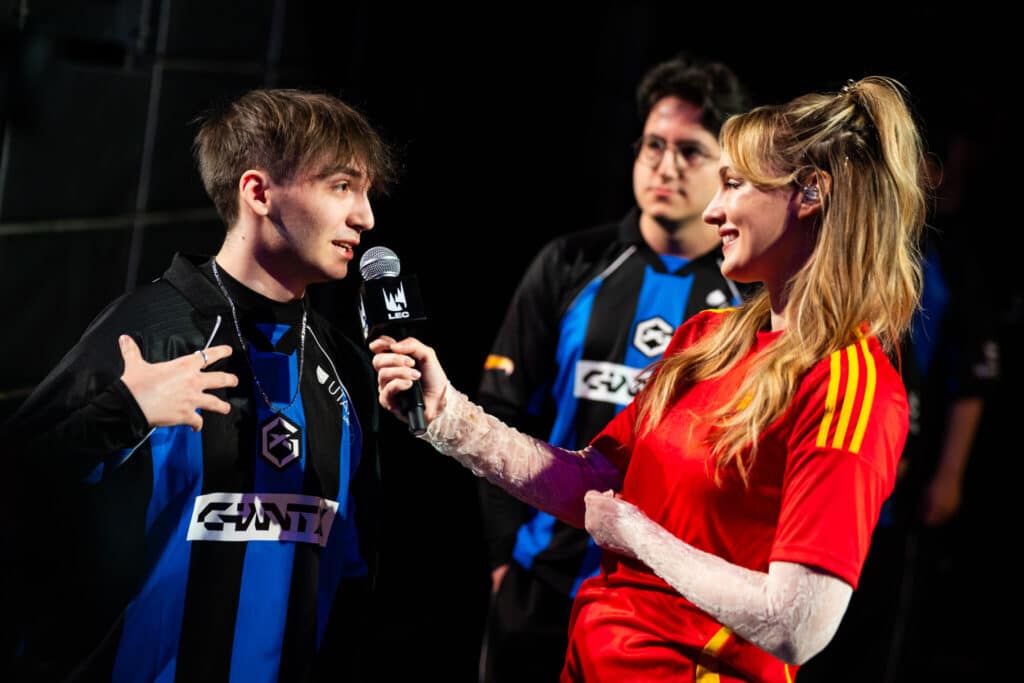
Although qualities like charm and individual character hold importance for esports personalities, certain positions inherently offer considerably fewer employment prospects than others. For example, specialized interviewers are infrequently employed at events beneath Tier 1, largely owing to financial constraints. The rationale being, why engage an extra individual when the primary host or analyst can competently perform the same duties?
Over the past few years, the merging of job functions has grown more prevalent, even at Tier 1 levels, as event organizers scale back operations due to financial cutbacks and strategic business adjustments. Elsewhere, renowned esports content creators have often been favored over established specialized professionals, coinciding with a broader change in audience consumption habits, notably the increasing appeal of co-streaming. With the maturing of our industry, versatile and adaptable talent is becoming more desirable than highly specialized positions.
For instance, broadcast figure Eefje “Sjokz” Depoortere has consistently advocated for cultivating a personal brand and securing alternative revenue streams beyond esports, preparing for the possibility that her current position might eventually become redundant.
“It’s definitely one of the reasons why I am working so hard as a freelancer on all my options,” explained Sjokz on her personal TikTok. “And also options specifically outside of esports in terms of the TV work that I’ve done and the consultancy work and the brand work that I do, specifically. Because tomorrow is not promised.”
Concurrent Employment, Diverse Roles, Fresh Games: The Most Secure Approach For Esports Professionals
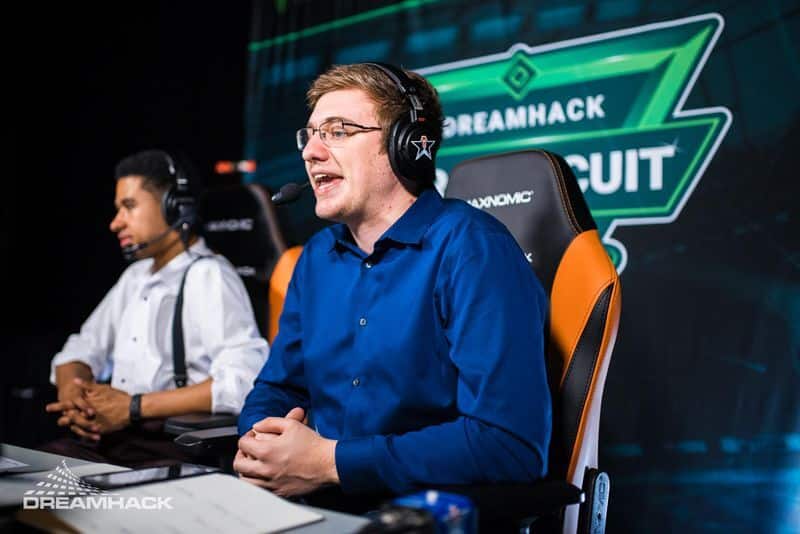
Considering the present and anticipated career obstacles within esports, what avenues can both seasoned and emerging professionals pursue to achieve a measure of security?
“Either work multiple titles or focus on one and do full-time content and casting (if Tier 1). Have a day job or background work you can do in the off time and not have to rely solely on net 30+ contracts to pay your bills,” recommended caster Nick “Vodible” Ambrozic on X.
Heccu, personally, is now exploring other esports game titles following seven years dedicated solely to CS. However, not every suggestion provided by Vodible is suitable for all individuals. For instance, independent contract work necessitates considerable adaptability in timing and travel, which conflicts with many conventional employment roles. Likewise, co-streaming can only sustain one financially if a significant viewership is achieved or agreements are secured with companies and esports entities. Otherwise, producing content primarily functions as a means for personal branding and honing abilities.
“My current financial income from the three months I did this year of watchparties it barely covered my trip to Cluj-Napoca [CS tournament],” disclosed Heccu in her video.
Intriguingly, Tech Girl postulated on Feed The Trolls that co-streaming might open up novel avenues for deploying esports talent, notwithstanding its perception as a direct rival to traditional broadcast personalities. As per the CS host, co-streams could potentially employ specialized on-location interviewers or even establish distinct analytical panels, supplementary to the main broadcast.
Nevertheless, these potential strategies would necessitate negotiations with event organizers and publishers to settle matters concerning broadcasting permissions.