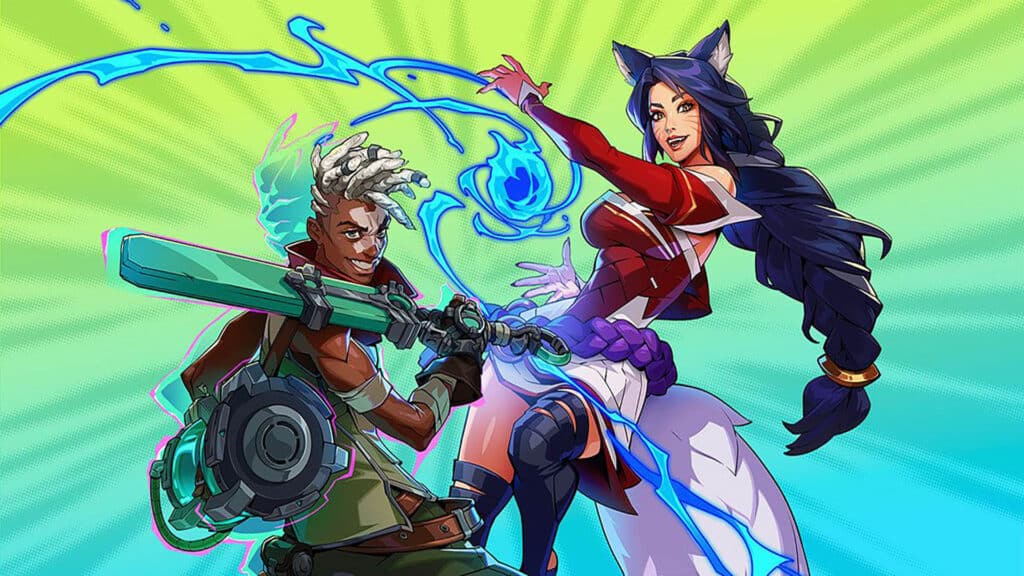
For some time now, I have maintained that 2XKO is effectively dead. While declaring games dead is a favorite pastime in esports, in this case, it felt inevitable.
Although my coworker insisted that Riot’s tag-team fighting game would secure a permanent spot in the fighting game community, my view was that it would only survive until 2027 at best. The primary developers working on 2XKO possessed deep FGC expertise, yet this focus may have worked against them. Ultimately, the gameplay is excessively complex and bewildering for casual audiences, appealing only to dedicated grinders and competitive professionals.
At the same time, Riot’s broader management seemed completely out of touch with FGC culture, mistakenly believing players would eagerly purchase high-priced cosmetics. When that failed to happen, Riot decided that 2XKO’s player base didn’t warrant such an expensive development force, leading to substantial staff cuts.
It seems the studio truly believed the inclusion of League of Legends characters would allow the game to transcend its niche. That transition never occurred, leading me to predict that Riot would soon stop funding the project. I assumed the competitive scene might persist independently, sustained solely by die-hard fans even after Riot inevitably distanced itself from the community.
However, I realize now that I was being far too generous. I ought to have remained committed to my initial skepticism and continued embracing my role as a doubter.
Leaked Information Suggests Riot Considers 2XKO a “Dead” Project
In late July, a security slip-up occurred at Riot Games when proprietary developer documents became exposed due to malfunctioning AI logging systems and automated assistants. Among the most eye-catching revelations was a note stating: “lion/dev-main is effectively a dead game, so aligning its client spec will never be actioned.”
This disclosure triggered intense rumors and criticism across the wider gaming space, with a vast majority concluding that the statement pointed directly to 2XKO, previously known as Project L.
I hesitated to claim vindication over an unconfirmed and somewhat cryptic leak. Nevertheless, it strongly mirrored my suspicion that 2XKO’s active audience was shrinking fast—to the point where decision-makers supposedly viewed it as a lost cause unworthy of further investment.
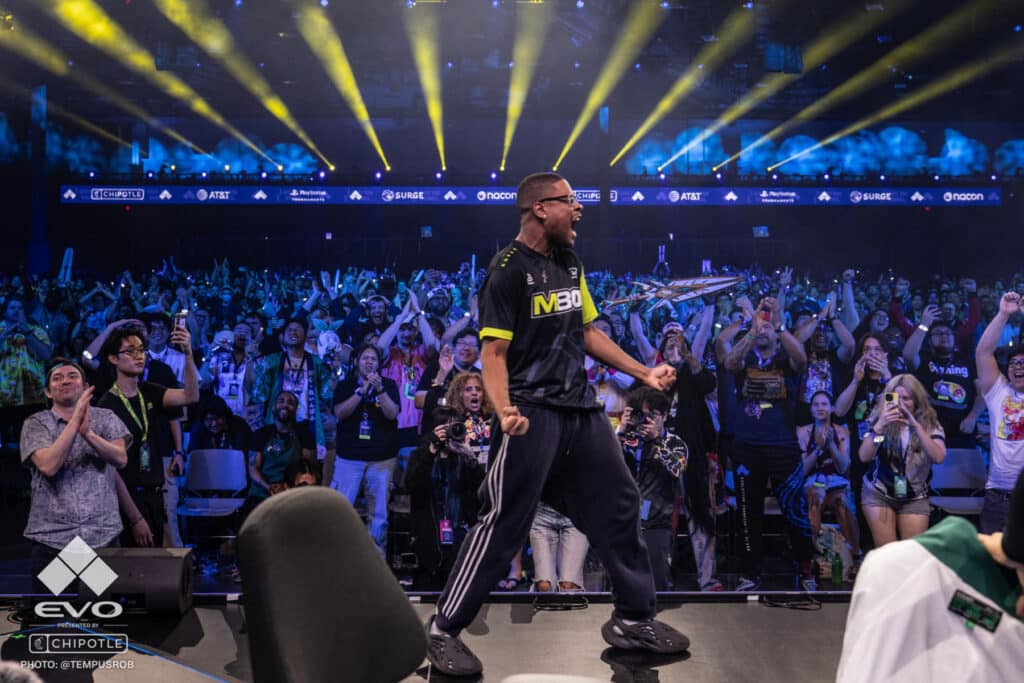
Defenders within the fighting game community pointed to decent tournament sign-ups as proof of life, highlighting the turnout at Evo France and Evo Las Vegas. Yet, this only reinforces that the title attracts hardcore players while failing to engage broader audiences. While the 1,080 entrants at Evo Las Vegas secured it a main-stage slot, the game faced very little real rivalry to get there.
Disappointing Turnout for CEO 2026 May Mark the End
It appears that even dedicated competitors have lost interest only a few months down the line. In the run-up to CEO 2026, enthusiasts have kept a close eye on entrant numbers to gauge if the leaked assessment of the game’s demise holds true.
Though 2XKO managed to secure a spot in the CEO arena, it only ranked sixth, falling behind older titles like Guilty Gear -Strive- as well as fresh releases like Marvel Tokon: Fighting Souls and Avatar Legends: The Fighting Game. One might attribute this to the hype of newer games, but legacy giants like Street Fighter 6 and Tekken 8 had no trouble drawing massive sign-ups regardless.
In fact, even attempts to defend the game’s mediocre performance or rationalize its low placement only ended up highlighting its struggles.
“It is highly embarrassing that a game set in the League of Legends universe cannot outperform our legacy competitive fighting titles or two games that literally just debuted. You guys are acting extremely bizarre,” one individual posted online.
But that is precisely the core problem. The developers assumed that relying on League of Legends IP would automatically guarantee a dedicated player base. It failed to do so, and the core loop has struggled to keep players engaged, particularly with alternative releases proving more appealing to the competitive crowd.
There is ongoing frustration in the community regarding hidden registration tallies, but organizers justify this by pointing out how players tend to avoid registering if they perceive a game is already dying. However, 2XKO’s struggles are plain to see, and this visibility will likely prompt players to seek out more vibrant competitive scenes instead of watching this one fade.
Enthusiasm for 2XKO is evaporating rapidly. While I do not necessarily believe competing titles like Marvel Tokon: Fighting Souls are guaranteed to survive in this highly competitive market either—especially given mixed impressions of its beta—my main point is that 2XKO will not become a permanent fixture. It simply lacks staying power.
Have fun watching the turbulence unfold while it lasts.