With a Nintendo Direct scheduled for tomorrow (September 9th), whispers are circulating that the initial teaser for Super Smash Bros. 6 might finally be revealed. This development is hardly a shock; Masahiro Sakurai, the creator of Kirby, has openly expressed his desire to develop a new Smash installment for quite some time. His primary obstacle was simply completing work on Kirby Air Riders beforehand.
Ultimately, the release of Super Smash Bros. 6 is a question of when, not if.
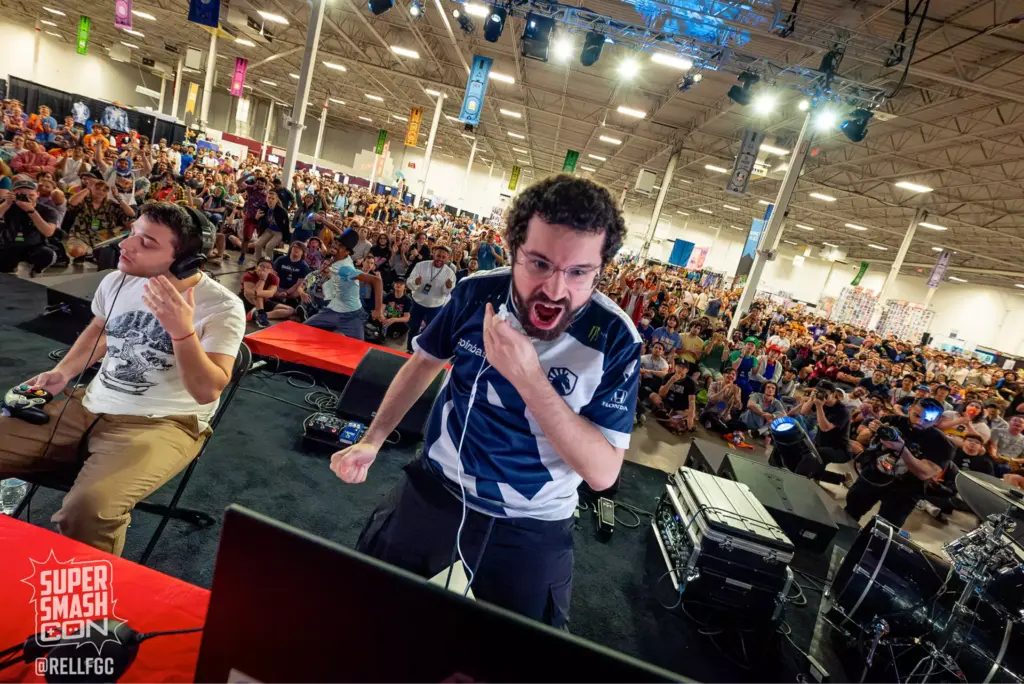
As competitors eagerly anticipate a fresh release, the competitive community for Ultimate has started to feel stagnant. In contrast to legacy titles like Smash 64 and Melee, which boast highly established communities built over many years, Ultimate features a highly diverse roster of players and fighters. This dynamic makes it far less rigid and highly receptive to a major overhaul and revitalization.
Even so, the upcoming Smash 6 must implement specific changes to sustain the expansion of the competitive scene. Given the track record of Sakurai and the development team at Nintendo, however, these hopes might remain nothing more than wishful thinking.
Improved rollback netcode
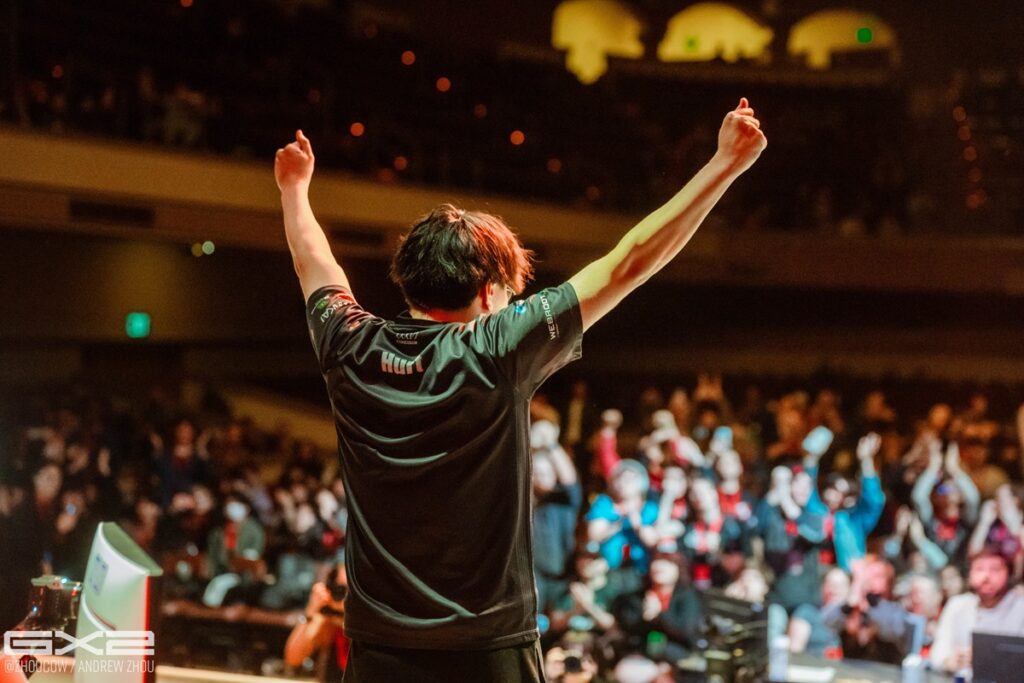
While rumors suggest the Nintendo Switch 2 will feature enhanced rollback netcode compared to its predecessor, it remains insufficient for players aiming to participate in serious online tournaments or conduct high-level practice sessions.
As one Reddit user pointed out: “The multiplayer community remains incredibly active, and finding opponents has never been an issue since launch. The real headache is the lackluster netcode. If both competitors lack a perfect connection, you encounter severe input delay and stutter. It only runs smoothly when both sides use ethernet cables.”
Another commentator chimed in: “Launching their flagship fighting title—which is arguably the highest-selling game on the system—with such sub-par netcode highlights the corporate apathy and profit-driven neglect we have come to expect from Nintendo. It is incredibly disappointing.”
Even though severe latency makes online matches feel entirely different from local offline play, Nintendo seems completely uninterested in addressing the issue. In fact, the company has taken steps that maintain the status quo, as a recent software update deliberately broke ‘Delay Mod’—a community-made patch designed to optimize the netcode. Apparently, trying to improve their game is considered unacceptable.
Should Nintendo fail to upgrade the rollback netcode for the sixth Smash game, it will keep driving away competitive gamers who refuse to tolerate severe lag during practice. The steady rise of rival fighting game franchises is largely fueled by superior online multiplayer, a feature that is embarrassingly absent in Smash. This barrier to online connection and the resulting shortage of viable training environments poses a major roadblock for the competitive scene.
More dynamic stage designs
The selection of tournament-legal stages in Super Smash Bros. Ultimate feels rather monotonous. Earlier entries, such as Melee, featured far more engaging and reactive battlegrounds. For instance, even with its occasional glitchy transformation, Pokemon Stadium 2 provides diverse setups that encourage varied tactical approaches and playstyles.
Although intrusive hazards are unpopular in high-level tournaments, Ultimate went to extremes to fix this, resulting in stages that feel overly sanitized. The current pool lacks architectural variety and shifting layouts, reducing most options to slight variations of the classic Battlefield structure.
“The stage design in Ultimate tried too hard to fix the problems of the past,” a player shared on Reddit. “While they aren’t as terrible as the massive, auto-scrolling, or retro stages, the current selection is incredibly bland. What’s worse is that many unique stage layouts became purely visual once the hazard toggle and universal Battlefield/Final Destination templates were introduced across the board.”
Even though Melee tournaments often feature the same handful of top-tier characters in the final rounds, the interactive stages yield much more dramatic shift-ups, strategic depth, and memorable highlights than Ultimate’s repetitive selection of three-platform layouts with different backdrops.
The case for Captain Toad
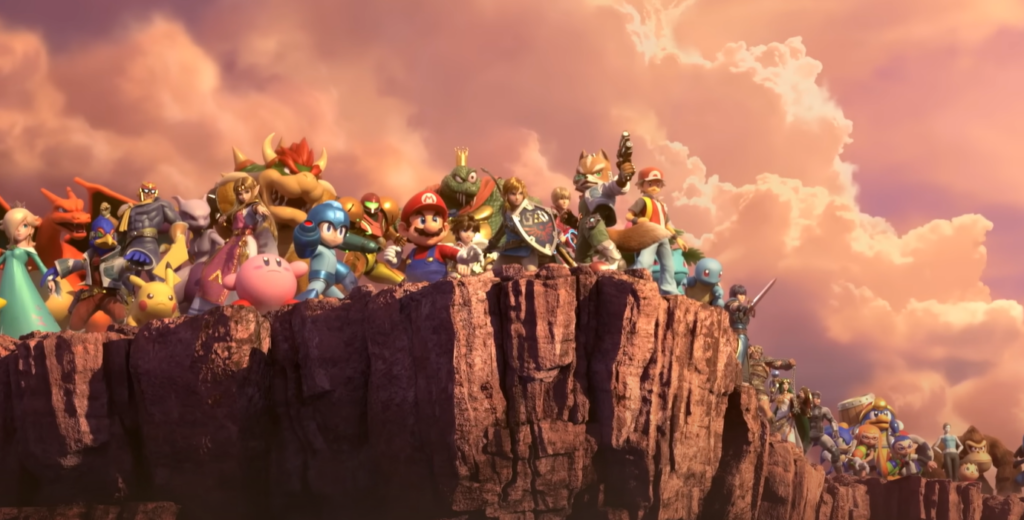
REGARDLESS OF THE OPPOSITION, I WILL NEVER STOP ADVOCATING FOR CAPTAIN TOAD!
I am incredibly tired of Captain Toad being constantly dismissed. While Waluigi serves as a funny, albeit overused and dated joke candidate, Captain Toad possesses genuine viability. He has an incredibly creative arsenal of moves just waiting to be adapted for a fighting game.
Toad boasts a rich legacy within the Mario franchise. In his own titles, Captain Toad can dig up and hurl turnips, swing a super pickaxe, and utilize unique power-ups to heal himself or create clones. Additionally, the Toad species exhibits incredible speed, poison resistance, wall-climbing skills, and immense strength. He was actually the most powerful character in Super Mario Bros. 2, easily hoisting both Mario and Luigi.
After all, if the community could welcome Piranha Plant, there is absolutely no reason Captain Toad should be left out of the selection.
A more streamlined roster
Conversely, I believe a reduction in the character count is actually necessary. While the “Everyone is Here” marketing campaign was incredibly exciting, maintaining such a massive roster is redundant, as Melee’s longevity has already demonstrated.
Ultimate was packed with numerous “echo fighters” such as Peach and Daisy, or Mario and Dr. Mario, who featured only the most minor balance adjustments. It raises the question of why Daisy couldn’t simply function as an alternate costume for Peach, as the duplicate slot feels entirely superfluous.
We also have an abundance of highly redundant fighters, particularly the various sword-wielders who share the same basic design principles with minor variations in agility, damage, or recovery. It makes sense to prune underutilized options like Ike; his omission would likely go largely unnoticed.
Ultimately, the development team should analyze character playrates and remove the fighters that fail to generate interest. The competitive viability of the game would improve significantly with a more curated character selection. Currently, Ultimate’s massive roster borders on chaotic. While massive variety in top-tier play can be entertaining, Melee showcases how a smaller pool forces top competitors to truly master their chosen fighters. When players face the same opponents repeatedly, they are forced to uncover the deepest mechanics and strategies to gain an advantage.
Enhanced character balance
Due to the sheer size of the roster and Nintendo’s lack of support for competitive play, achieving true balance in Ultimate remains out of reach.
According to one fan: “Flawless balance is fundamentally unattainable when characters are distinct. Even the slightest mechanical variation ensures one fighter will outperform another; that is simply the reality of game balance.”
There are obvious issues that need addressing, such as banning overpowered characters like Steve, or completely redesigning their toolkit. A fighting game should never feature a character devoid of exploitable weaknesses, equipped with answers for every scenario, and capable of easily stalling out entire games.
Furthermore, almost every character could benefit from subtle adjustments. Introducing more engaging passive traits and distinct signature moves would make the gameplay feel fresher. Certain heavy hitters should sacrifice some power in exchange for better movement options. The community has endless ideas on how to tweak the cast, with some debating Pit’s multi-jump capabilities while others defend him as the most balanced character in the game.
Managing a roster of nearly ninety distinct characters is an impossible balancing act, and satisfying every player is simply not going to happen.
For instance, I strongly dislike the heavy reliance on RNG in Hero’s design, which feels out of place in a serious competitive setting. Naturally, Nintendo has never prioritized the competitive scene, but this is a dream scenario, after all.
Nintendo must support the scene
This leads into the final, most crucial point: Nintendo must show genuine investment in the Smash competitive ecosystem for it to truly thrive beyond the efforts of its dedicated community leaders.
Regrettably, the publisher’s apathy toward competitive Smash is a well-documented issue. Rather than offering support, the corporation has actively undermined the community for years by blocking events from tournaments like Evo, shutting down the Smash World Tour, issuing cease-and-desist orders to grassroot community organizers, and refusing to fund prize pools or promotions.
In the absence of publisher backing, prominent figures such as professional competitor Juan “Hungrybox” DeBiedma and content creator Ludwig Ahgren have taken the initiative to fund tournaments, support players, and foster local growth. Despite these efforts, Nintendo has offered zero financial backing, choosing instead to mandate that characters like Steve remain unbanned while ignoring the abysmal performance of their online service.
Given their current lack of interest in high-level play, it is highly likely these competitive improvements will never see the light of day in the next release. Instead, players should prepare for more chaotic hazard-filled stages, excessive items, an overpopulated roster, and unbalanced fighters. From Nintendo’s perspective, their target audience is casual families, and a character like Steve serves that demographic perfectly.
We can only wait and see if Sakurai’s perspective has shifted, even slightly.