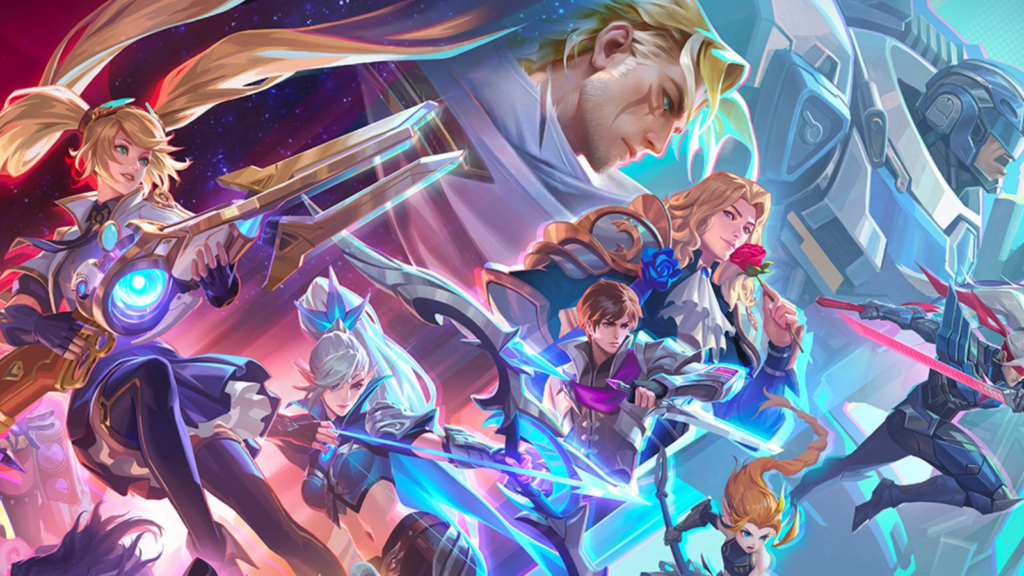
Debuting worldwide in 2016, Mobile Legends: Bang Bang (MLBB) achieved immense popularity across Southeast Asia (SEA), establishing itself as a premier competitive mobile gaming title in the territory.
Although Free Fire secured the highest number of downloads and Honor of Kings arose as a formidable competitor, MLBB has maintained its position at the top of the SEA market in terms of both user spending and player activity. By adapting a genre typically associated with desktop computers into an optimized mobile format featuring brief match times and minimal system specs, it successfully opened the door for a fresh wave of MOBA enthusiasts.
Through the years, MLBB integrated itself with regional traditions, converted everyday gaming into tight-knit communities, and established a structured competitive pipeline that offers players meaningful goals. Rivals can easily replicate the fundamental mechanics of a mobile MOBA, but replicating the rich legacy, passionate fanbases, and deep-seated rivalries surrounding MLBB is a far greater challenge.
MLBB was designed specifically for a mobile-centric demographic
Due to its portable design and fast-paced gameplay, MLBB proved to be an ideal match for the Southeast Asian audience.
To begin with, SEA stands as a dominant force in portable gaming, amassing nearly 1.93 billion mobile game downloads during the first quarter of 2025 according to Sensor Tower. Furthermore, smartphones and tablets contribute close to 70% of gaming-related earnings in the area and capture over 50% of the total time spent playing games, as reported by Mordor Intelligence.
The game’s endurance in the Southeast Asian market has been remarkably steady, constantly securing a spot in the top five downloaded mobile titles from 2017 to 2025. Sensor Tower data reveals that it topped the charts for mobile game consumer spend during six of the nine analyzed timeframes. Its active player footprint is equally vast, boasting upwards of 35 million monthly active players in Indonesia, 15 million in the Philippines, 10 million in Malaysia, 5 million in Thailand, and 1 million in Singapore.
Making MOBA titles more accessible to the masses
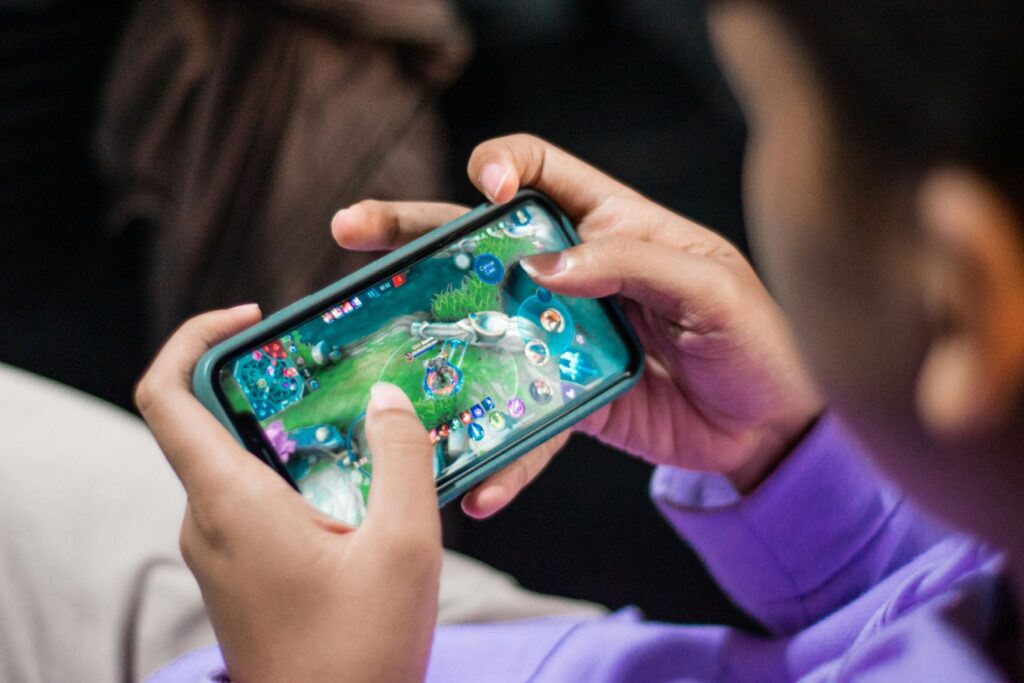
In contrast to conventional PC-based MOBAs like League of Legends or Dota 2, MLBB made entry far more attainable. Moonton bypassed the need for high-end computer setups by tailoring MLBB specifically for handheld devices, delivering the gameplay style on the exact hardware players already utilize daily.
This playstyle perfectly aligned with daily mobile phone usage patterns. With match lengths averaging between 10 and 30 minutes, the game is far swifter than its desktop counterparts, which frequently stretch toward an hour. According to the ISEAS-Yusof Ishak Institute, these quick matches provide immediate rewards, fostering a loop that keeps users coming back.
During the pandemic, the significance of mobile games in SEA surged as lockdowns restricted access to local internet cafes where players typically gathered. Transitioning to MLBB became a straightforward choice for seasoned MOBA fans. However, while ease of access initially attracted users, maintaining their long-term interest required additional strategies.
Tailoring the game to resonate with local audiences
Integrating itself into the cultural fabric of Southeast Asia, MLBB‘s rise is deeply intertwined with the local gaming community’s habits. Research by Niko Partners highlights that 87% of players in this region look for localized features, and the developers addressed this demand by moving far beyond basic language translation.
The developer integrated deep regional context into the title, expanding its roster of over 130 champions with figures drawn from historical events and local myths. For instance, Lapu-Lapu pays homage to the 1500s Filipino chieftain who fought against Spanish forces; Gatotkaca is inspired by Javanese adaptations of the Mahabharata; and Badang finds his roots in the legendary strongman described in Malay folklore.
According to Sensor Tower, this precise approach to hyper-localization—incorporating regional cultural touches, folk-inspired characters, localized esports events, and regional community outreach—has been crucial to the game’s ongoing dominance.
Furthermore, these localization practices go well beyond in-game content. Reports from ISEAS indicate that Moonton modifies how it runs events based on each host nation’s practices, such as organizing prayer services in Indonesia and Cambodia prior to setting up tournament venues to honor local traditions. This level of care transforms the title into something that feels native rather than merely imported.
Expanding the franchise into mainstream media
With the game’s lore and roster increasingly interwoven with local identities, its reach quickly extended past the active player base.
Moonton introduced its inaugural animated show, Legends of Dawn: The Sacred Stone, across various regional TV networks in September 2021. Featuring the protagonist Claude and his partner Dexter, this broadcast brought the franchise’s characters to television viewers who had never played the game, pushing the brand beyond mobile screens.
This media synergy operates in both directions. In 2017, the developers licensed one of their most popular characters, Gatotkaca, directly from the Indonesian comic series Garudayana created by illustrator Is Yuniarto.
Following this, Moonton rolled out its own unique project, Mobile Legends: Outlaw, in 2024, and is currently developing another animated project. These combined tactics have successfully familiarized the general public with the IP, even among those who have never entered a matchmaking queue.
In addition to building cultural ties, the game’s creators recognized how central social interaction is to the playing experience.
The Indonesian gaming landscape serves as a prime illustration. Here, cooperative gaming is deeply rooted in the local concept of “mabar” (an abbreviation of main bareng, meaning playing together). The 5v5 battle setup of MLBB aligns seamlessly with this social habit, transforming competitive ladder climbs into shared experiences with friends instead of lonely solo runs.
This focus on social connection is mirrored in Niko Partners’ findings, which state that over half (52%) of regional players follow game streams, while more than 45% seek community-oriented tools like interactive scoreboards, buddy lists, or text chats. Furthermore, MLBB shifts the competitive perspective closer to home.
Instead of forcing players to measure their skills against a faceless global player base, regionalized rankings let users compete against rivals from their immediate vicinity or hometown. A 2025 assessment by the ASEAN Society Community at Universitas Brawijaya noted that the game has transitioned from a basic leisure activity into a powerful instrument of social bonding among young people in the region.
Converting competitive matchups into patriotic pride
Very early in the product lifecycle, Moonton prioritized the creation of a formalized esports framework.
The debut of the MLBB Southeast Asia Cup occurred in 2017, preceding the launch of the Mobile Legends Professional League (MPL) systems in Singapore, Malaysia, and Indonesia later that same year. In 2018, the Philippines established its own MPL division.
This initial regional tournament rapidly expanded into a highly organized global ecosystem. Currently, the competitive scene encompasses national MPL divisions, the Mid Season Cup, and the premier M-Series World Championship, mapping out a direct route from local events to the global stage. Its inclusion as an official medal sport at the Southeast Asian Games since 2019 has cemented its status, offering a level of institutional validation that goes far beyond normal esports events.
Furthermore, Moonton channeled resources into amateur-level tournaments, allowing localized talent to rise to stardom and giving competitive groups a platform to build dedicated followings. Fans are actively integrated into these events through interactive elements like voting for their preferred regional rosters or placing predictions on match results to secure exclusive virtual skins.
Ultimately, MLBB provides Southeast Asian audiences with an experience that other gaming ecosystems frequently lack: the thrill of watching recognizable players and organizations battle while flying the flag of their native countries.
The legendary clash between the Philippines and Indonesia
With the maturation of the esports landscape, regional factions naturally clashed on global stages, a dynamic epitomized perfectly by the intense rivalry between Indonesia and the Philippines.
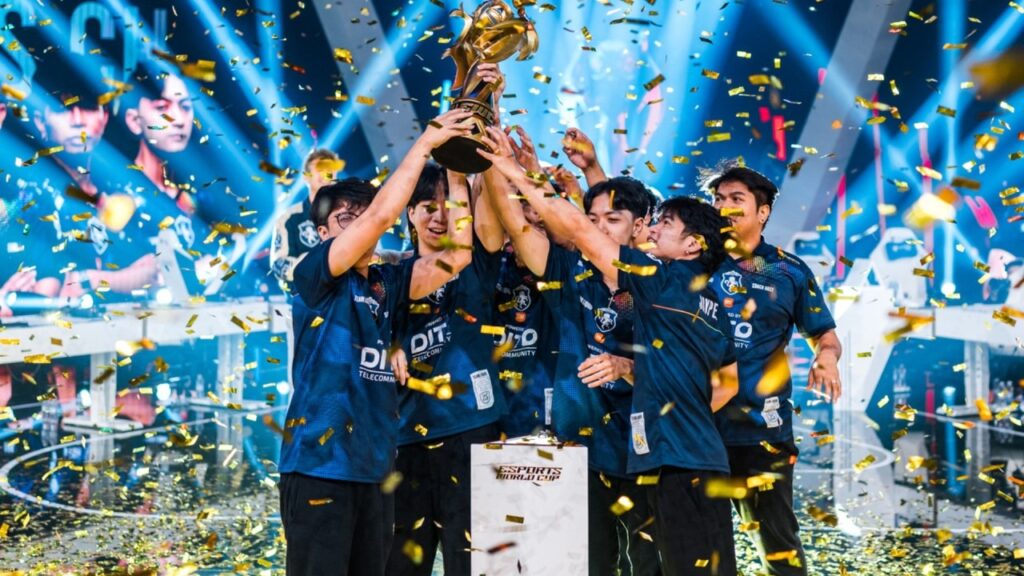
Rosters from the Philippines have held a firm grip on the M-Series starting with M2 in 2021, capturing six consecutive world titles, a run capped by Aurora Gaming PH’s triumph at M7 in January of this year.
The championship finals of the past three M-Series tournaments have exclusively pitted teams from these two powerhouses against each other: AP.Bren took on ONIC Esports at M5, Fnatic ONIC Philippines faced Team Liquid ID at M6, and Aurora Gaming PH went up against Alter Ego at M7.
Aurora‘s dominant 4-0 sweep of Alter Ego in Jakarta preserved the Philippine championship streak. Nevertheless, these persistent clashes between the two nations have generated a historic and authentic rivalry that developers could never artificially construct through standard game updates.
Incredible viewership figures highlight the scale of its competitive dominance
These dramatic rivalries and stable leagues successfully convert regional allegiances into highly consistent broadcast numbers. Indeed, the sheer volume of spectators tuning in to competitive MLBB broadcasts serves as a clear testament to the potency of this strategy.
Statistics from Esports Charts reveal that the MLBB M7 World Championship attracted a staggering peak audience of around 5.68 million during its grand finale in January 2026. This represents a 37% surge compared to the previous year’s M6 event, establishing it as the most popular mobile esports tournament ever recorded. Remarkably, these massive turnouts are not exclusive to international stages.
For instance, MPL Indonesia Season 17 drew nearly 3 million peak concurrent viewers, making it the second most-watched esports event during the initial six months of 2026. Simultaneously, the grand final of MPL Philippines Season 17 drew a peak audience of about 1.69 million. These metrics illustrate that massive fanbases track these local leagues and follow their home teams all the way to international showcases.
The developer’s most secure competitive moat
At present, the strongest asset in MLBB‘s possession is something that cannot be coded, replicated, or acquired. Future rivals might duplicate the core mechanics, supply superior visual fidelity, or design a technically superior game engine. However, none of those improvements can mirror the social legacy MLBB has cultivated outside of its actual software.
Close to ten years of continuous expansion has forged a foundation of social capital that no new entry can quickly establish. Countless users have existing social circles within the platform, esports clubs enjoy deeply committed supporters, and professional competitors have risen to international celebrity status.
In addition, national tournament structures boast their own rich histories, long-standing disputes, and ongoing narratives that enthusiasts have closely tracked through numerous splits and global tournaments.
The struggles of Arena of Valor and League of Legends: Wild Rift highlight this barrier. Despite launch campaigns backed by massive gaming conglomerates, neither competitor managed to unseat MLBB from its central role in Southeast Asia’s handheld competitive scene.
Given the immense scale of MLBB‘s current player base, merely presenting a comparable—or even technically superior—product is no longer enough to convince users to abandon their progress and start over on a different platform.
The reasons behind MLBB’s status as Southeast Asia’s ultimate esport
The game’s supremacy throughout Southeast Asia cannot be credited to just one update, character design, or individual tournament.
Its handheld-optimized build provided an ideal launchpad at the perfect moment. Deep localization efforts ensured the title resonated intimately across a diverse range of Southeast Asian nations, and built-in interactive features turned everyday matches into shared social events, while professional circuits provided these communities with actual heroes, local teams, and patriotic rivalries to root for.
As the years progressed, these distinct strengths began to multiply and support one another.
Consequently, the heritage of MLBB has become far more critical to its longevity than any gameplay element. Other studios might master the mechanics of mobile MOBAs, but they cannot reconstruct in an instant the social networks, player communities, competitive histories, and personal memories that users have built over nearly ten years.