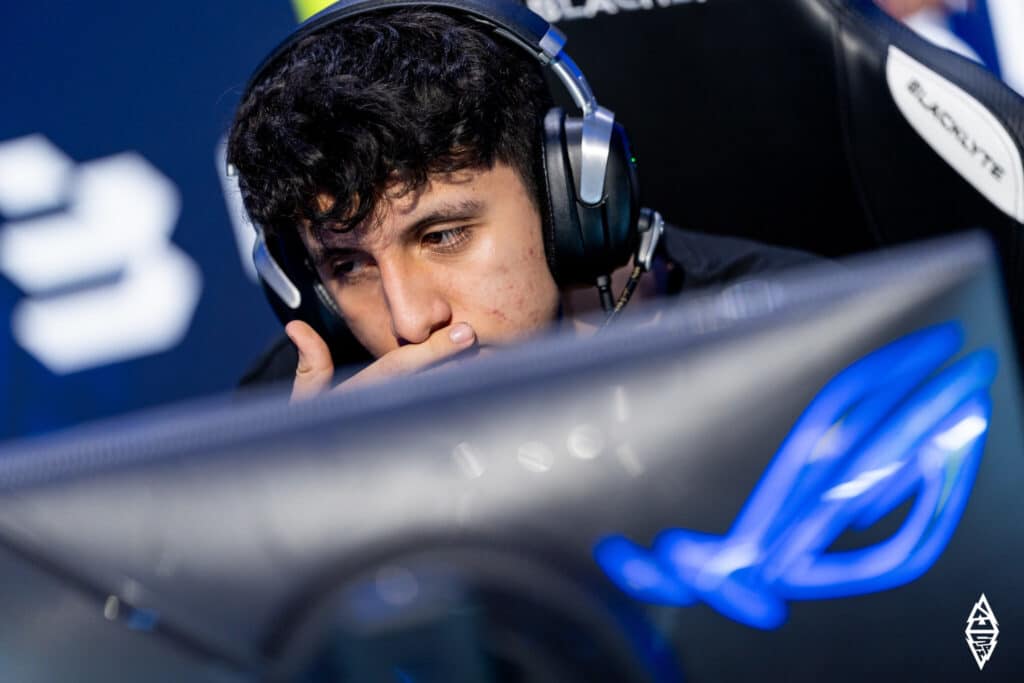
Just days prior to the kickoff of The International 15, the Dota 2 community was rocked by shocking revelations: LGD Gaming’s rising star, Santiago “TaiLung” Agüero Gustavo, has received a lifetime ban from both this championship and all future PGL tournaments.
Serious concerns regarding competitive integrity surrounded the 17-year-old player from Peru, culminating in reports that his own organization was the one to expose his actions.
Unsurprisingly, this development sent ripples of shock across the competitive landscape, with a profound impact on South America. Eager to understand the situation better, I reached out to prominent Brazilian Dota 2 coach Filipe “Astini” Ribeiro, who was highly vocal about the situation and kindly shared his perspective.
His response was incredibly candid and exceeded my expectations, revealing that the issues plaguing South American esports run far deeper than simple match manipulation. Below is his detailed take.
Was TaiLung Fully Aware of His Actions?
As a highly regarded coach in South America, Astini has managed several regional squads alongside pursuing international opportunities. Many fans will recognize him from his successful run with PARIVISION, whom he guided to a top-three finish at last year’s TI14.
Despite his extensive history coaching players from the region, Astini mentioned that his direct communication with TaiLung was virtually non-existent, recalling only a single brief encounter.
Through his friend CaioGordo, Astini first learned of Osito (which was TaiLung’s previous moniker) and Máximo “Wits” Orozco Alza (currently playing carry for PlayTime) back when they were young teenagers. He conducted a brief, half-hour coaching lesson for a squad featuring one of these two promising players, though he no longer remembers which one it was.
In the wake of this lifetime ban, several community members expressed sympathy for TaiLung. Some suggested that the young player might not have grasped the severity of his choices, or perhaps was pressured by external forces into making them.
However, Astini strongly disagrees with this point of view.
“Using the excuse of youth to protect bad actors is incredibly flawed,” Astini remarked. “Peru’s most prominent content creators faced bans for manipulating matches previously. These players are fully aware of the consequences. They simply assume they can evade detection and believe the potential payout justifies the gamble.”
From his perspective, TaiLung was far from an innocent youth caught up in circumstances beyond his control; rather, he was completely conscious of his decisions.
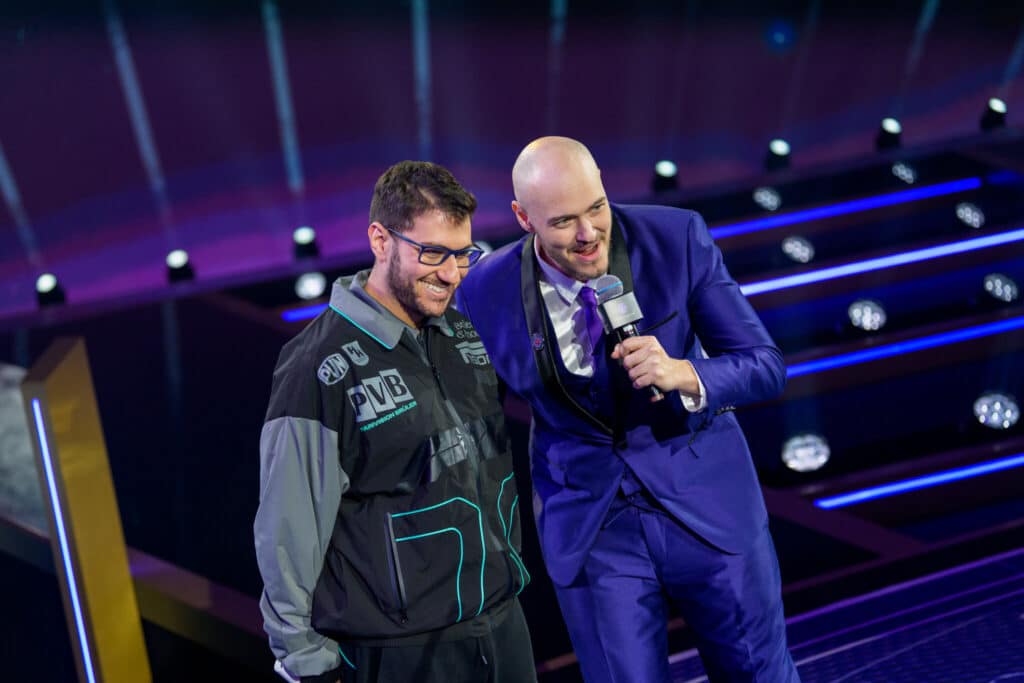
The Roots of South America’s Match-Fixing Problem
This incident is hardly an isolated occurrence in the region. Only a month ago, a major controversy hit PlayTime during their run at the Esports World Cup, involving Gonzalo “DarkMago” Herrera and Juan “Vintage” Angulo.
Representing elite rosters like LGD Gaming or PlayTime usually guarantees Peruvian competitors a salary paid in US dollars, which provides an exceptionally comfortable lifestyle by South American standards. This begs the question: what drives them to cross the line?
“The competitive landscape in Peru is often driven by short-sightedness,” Astini noted. “No matter how decent their official pay is, the illicit earnings from manipulating matches will always eclipse it. Many players begin this behavior in the lower tiers where financial support is minimal, and they get trapped in that cycle permanently.”
Another Major Threat: Unfair Play and Cheating
Perhaps the most eye-opening aspect of our discussion centered on Astini’s observations regarding the prevalence of cheating in the region.
While competitive manipulation dominates public discourse, he emphasizes that it is not the sole factor hindering the scene’s development.
“Cheating has become highly prevalent in both South and North America. While North America faces multiple challenges, a primary issue stems from Peruvian teams utilizing illegal assistance in Open Qualifiers to secure spots in Closed Qualifiers, where they then engage in match manipulation,” Astini shared.
“As a consequence, emerging players in North America find their progress halted in the early stages if they run into these cheating lineups.”
To clarify for those unfamiliar with esports betting dynamics: manipulating results isn’t feasible in every single stage. Gambling operators rarely offer odds on Open Qualifier matches due to the inherent lack of oversight. However, once a roster advances to the Closed Qualifiers of a prestigious event like TI, betting platforms widely open up wagering options.
This is why Astini asserts that certain regional competitors cheat through Open brackets—including crossing over to NA servers—simply to access the lucrative betting markets of the later stages. “In the past, you actually had to possess some degree of skill to qualify for events where you could throw matches,” Astini pointed out. “Now, they simply use third-party programs to qualify, and then cash in on the matches.”
He clarified that these aren’t just baseless theories. “To dispel any skepticism, ESIC recently executed a major wave of bans targeting Peruvian players caught scripting and hacking.”
Furthermore, Kurtis “Aui_2000” Ling, the coach of Team Falcons, pointed out suspicious activity regarding TaiLung’s gameplay, specifically noting what looked like macro or script-assisted Armlet of Mordiggian toggling while playing Huskar.
I asked Astini for his thoughts on this accusation.
“While I can’t confirm with absolute certainty that TaiLung used cheats, I believe there is a very high probability,” Astini stated. He added that the banned player maintains a close relationship with another individual heavily suspected of exploiting third-party software.
Who Will Lead South American Dota Forward?
Given his trajectory throughout the competitive season, TaiLung was widely tipped to be the next marquee player for South America. With his departure, the question remains: who will step up to carry the region’s banner?
Astini and I immediately arrived at the same conclusion: Wits, the current carry for PlayTime, who previously shared rosters with both TaiLung and DarkMago before their respective downfalls.
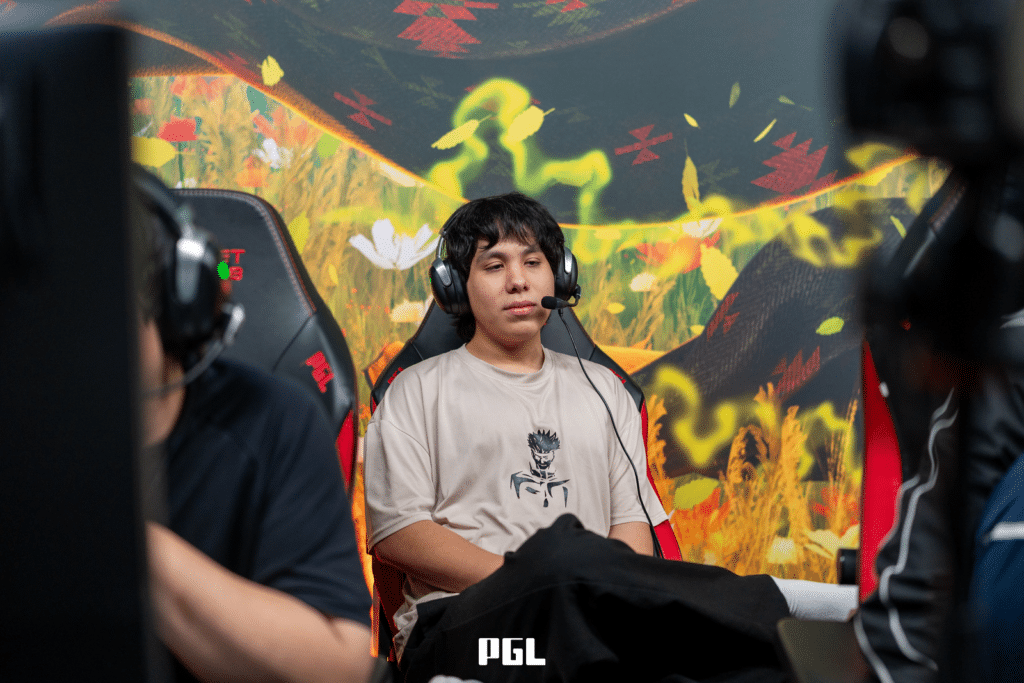
At just 18 years old, Wits has displayed incredible dedication and performance for PlayTime. It is sobering to consider how his professional trajectory might have been permanently ruined due to his association with these banned players earlier in his career.
Remarkably, once distanced from those compromised teammates, Wits went on to secure a championship victory at the million-dollar Games of the Future 2026.
“Wits is highly deserving of our recognition,” Astini remarked enthusiastically. “Instead of spending energy defending rule-breakers and match-fixers, the Peruvian fanbase should focus on celebrating players like him. Scofield, Wits, Elmisho—they are absolute legends!”
Despite the damage done by successive controversies, Astini remains hopeful about the future of the local competitive environment, provided the purge of corrupt players continues.
He commented: “In the near term, we will certainly feel the impact. However, if we remove the bad actors—who likely make up at least half of those competing in the Closed Qualifiers—it paves the way for fresh, honest talent to emerge. Ultimately, this cleanup will benefit both the South and North American regions in the long run.”
Even with the recent disciplinary actions, the competitive level in South America has shown strong signs of vitality over the last few weeks, validating his positive outlook. PlayTime has bounced back impressively, with Wits capturing the admiration of the fan base.
For now, global attention shifts to LGD Gaming as they prepare to represent the South American region at TI15 in the coming days.