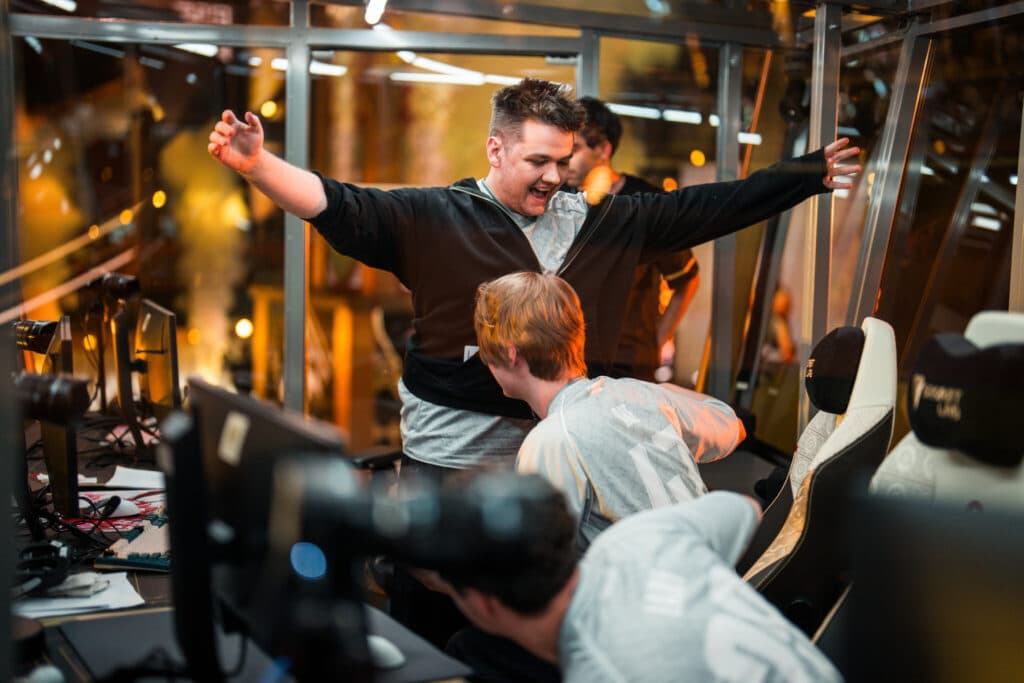
Team Spirit secured their place in history last week in Shanghai, becoming the very first Dota 2 roster to claim a third Aegis of Champions at TI15. This championship run proved far more challenging than their prior victories, requiring them to edge out tournament frontrunners TEAM VISION 3-2 in a grueling Grand Final showdown.
With this monumental triumph, Illya “Yatoro” Mulyarchuk and Magomed “Collapse” Khalilov cemented themselves as the inaugural three-time TI champions. While both competitors delivered exceptional performances, Yatoro’s personal journey during the tournament offered a particularly captivating narrative, putting him on a direct collision course with Alan “Satanic” Gallyamov, who entered the competition widely regarded as the premier carry player.
The final matchup delivered a legendary clash reminiscent of an anime rivalry, pitting the all-time greatest carry against the contemporary peak of the position – but now that the tournament has concluded, does this framing of their status still hold true?
The Ultimate Historical Icon Versus the Modern Sensation
For anyone tracking the professional Dota 2 landscape in the lead-up to the event, it was clear that TEAM VISION’s 18-year-old prodigy, Satanic, had established himself as the most formidable carry on the planet.
Though his potential as an elite carry had been discussed for over twelve months, 2026 truly marked Satanic’s breakthrough season. Under the guidance of newly appointed coach Clement “Puppey” Ivanov, the young star put up staggering numbers, demonstrating incredibly efficient farming patterns and spearheading his team’s championship runs at DreamLeague Season 29 and the Esports World Cup.
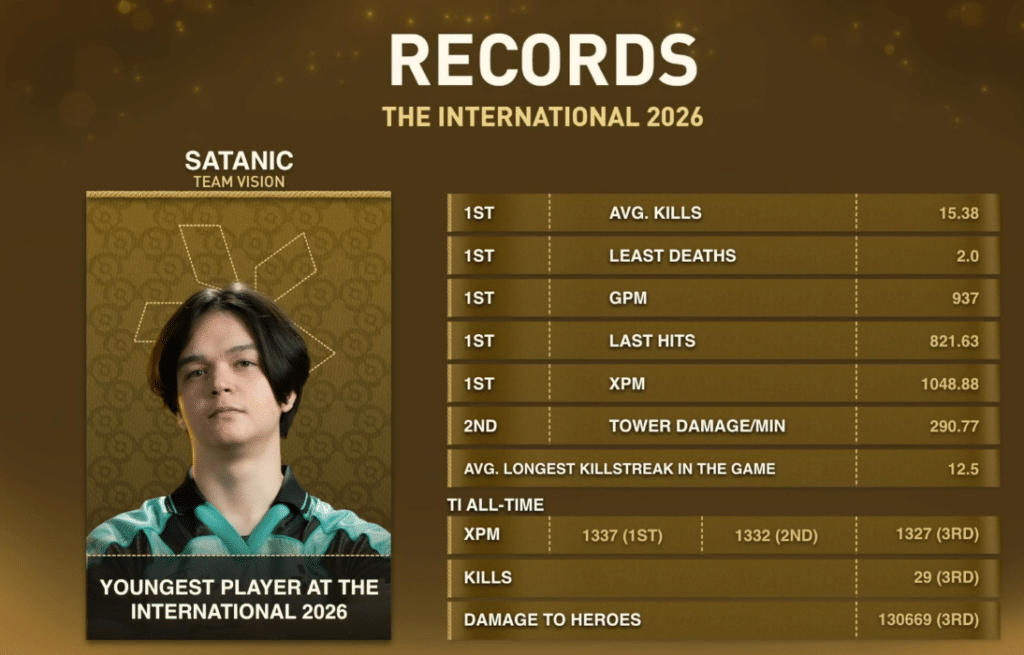
Unsurprisingly, the teenage prodigy was the focal point of discussion heading into TI15, with TEAM VISION heavily tipped to hoist the trophy. Once the tournament got underway, the high expectations were fully justified; Satanic shattered multiple records as TEAM VISION dominated their opponents, breezing through the Swiss Stage with an undefeated 4-0 run that included a victory over Team Spirit.
In stark contrast, Yatoro arrived in Shanghai with a vastly different narrative. Although he was already a two-time champion, his play throughout the year lacked his signature explosive flair. Team Spirit endured an inconsistent competitive cycle, and their star carry had registered uncharacteristically low-profile performances prior to the crown jewel tournament.
While his status as the historical benchmark remained intact, Yatoro appeared far more fallible in recent months, failing to rank among the top-tier carries in the pre-tournament discussions. Competitors like Alimzhan “watson`” Islambekov and Ilya “Kiritych” Ulyanov frequently overshadowed him over the course of the season.
Consequently, a significant portion of the fanbase and analyst desk dismissed Team Spirit’s chances. Even community analyst Dota2PowerPoints placed them low on his pre-tournament hierarchy—a perfectly reasonable stance, as few anticipated a deep run from Yatoro and his squad.
A Masterclass from Yatoro in the TI15 Grand Final
Against the odds, this very rivalry became the centerpiece of the Grand Final. TEAM VISION reached the final stage via the upper bracket, maintaining their flawless tournament record and relegating Team Spirit to the lower bracket in their second head-to-head meeting of the event.
Forced to fight for survival, Team Spirit battled through successive elimination rounds, securing three consecutive 2-0 sweeps to earn a shot at redemption in the finals.
The matchup held deep narrative poetry, as Satanic trace his competitive roots back to Yellow Submarine—Team Spirit’s developmental team where Yatoro himself first gained prominence. The young prodigy had even filled in for Team Spirit during Yatoro’s brief period of inactivity.
Thus, to claim their historic third championship, Team Spirit had to overcome the very powerhouse talent they helped nurture.
Regrettably, the opening map failed to deliver a true duel between the two star carries, primarily due to a draft collapse from TEAM VISION. With Satanic relegated to an awkward Ember Spirit selection, Team Spirit comfortably claimed the series opener.
The following match finally featured the expected heavyweight clash. Despite Team Spirit dropping the map, Yatoro showcased his legendary ability to perform under pressure, executing a brilliant outplay that left Satanic and his teammates searching for answers.
Nevertheless, Satanic’s performance on Lifestealer proved overwhelming in the end, allowing TEAM VISION to pull even at 1-1.
In the third game, Yatoro rolled back the years with an unforgettable Terrorblade showcase, featuring several incredibly timed Sunders. While Satanic put up an admirable fight on Shadow Fiend, he was ultimately eclipsed by Yatoro’s commanding 10/1/12 stat line.
Finding themselves on the brink of defeat down 1-2, TEAM VISION faced immense pressure. While many teenage rookies might have crumbled, Satanic showed incredible resolve, carrying the game on Lifestealer while Yatoro struggled to find his footing on Templar Assassin, thereby pushing the series to a decisive fifth game.
The final map of a TI Grand Final rarely features flawless execution, given the immense anxiety of the moment. However, with everything on the line, Yatoro’s experience shone through, giving him the decisive edge in his duel against Satanic.
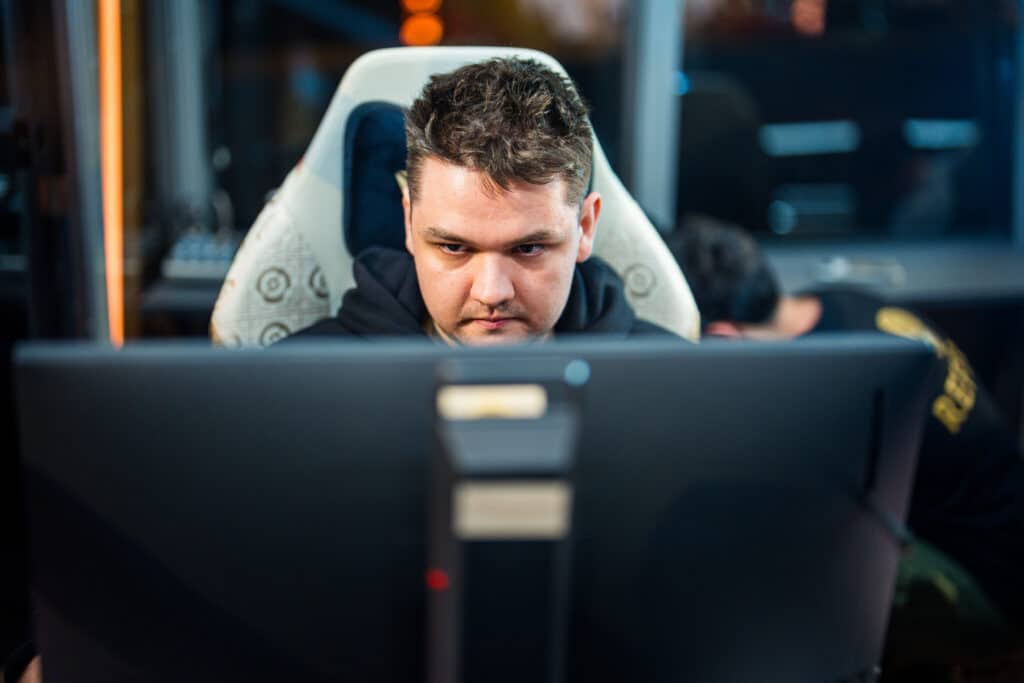
Satanic built an early advantage on Juggernaut, positioning himself to guide his roster to victory. Crucially, a lapse in positioning at the 28-minute mark saw him caught out in isolation, relinquishing his momentum—an uncharacteristic error that likely stemmed from the sheer magnitude of the stage.
Though the match hung on a knife-edge, Yatoro ultimately prevailed, aided by stellar coordination from his squad. A key intervention came from support player Aleksandr “rue” Filin, whose well-timed Nightmare kept Yatoro alive during the climactic team fight.
Additionally, a momentary lapse in concentration saw Satanic get struck by a long-distance Sacred Arrow, resulting in a disastrous dieback that sealed his team’s fate.
The Historic Legacy is Decided, But the Current Hierarchy Remains Open
While Yatoro ultimately secured the championship over Satanic, this single result shouldn’t completely dictate the conversation regarding the year’s top-performing carry.
One might excuse Satanic’s final-round errors by citing his age and lack of experience on this stage. Yet, that reasoning loses weight when compared to Yatoro, who famously clinched his first championship during his tournament debut at the very same age of 18 at TI10.
Nevertheless, the atmosphere of the two tournaments was vastly different. Satanic had to perform in front of a roaring crowd of 18,000 fans in a packed Shanghai stadium, whereas Yatoro’s initial championship run occurred in an empty arena due to pandemic-era restrictions.
When discussing the all-time legendary status, there is no contest. Yatoro entered the event with two championships and departed with a third. The debate is effectively over: Yatoro stands as the undisputed greatest carry in the history of the game.
However, distinguishing the greatest in history from the most dominant player of the current season is essential. By that metric, Satanic still holds a strong claim to the latter title, having demonstrated superior consistency and securing more tournament victories than Yatoro over the past year.
Satanic’s play throughout the tournament was exemplary, outclassing his peers—including Yatoro in their initial encounters. His only major misstep was dropping a single decisive game, an outcome that simply happens to everyone in competitive gaming.
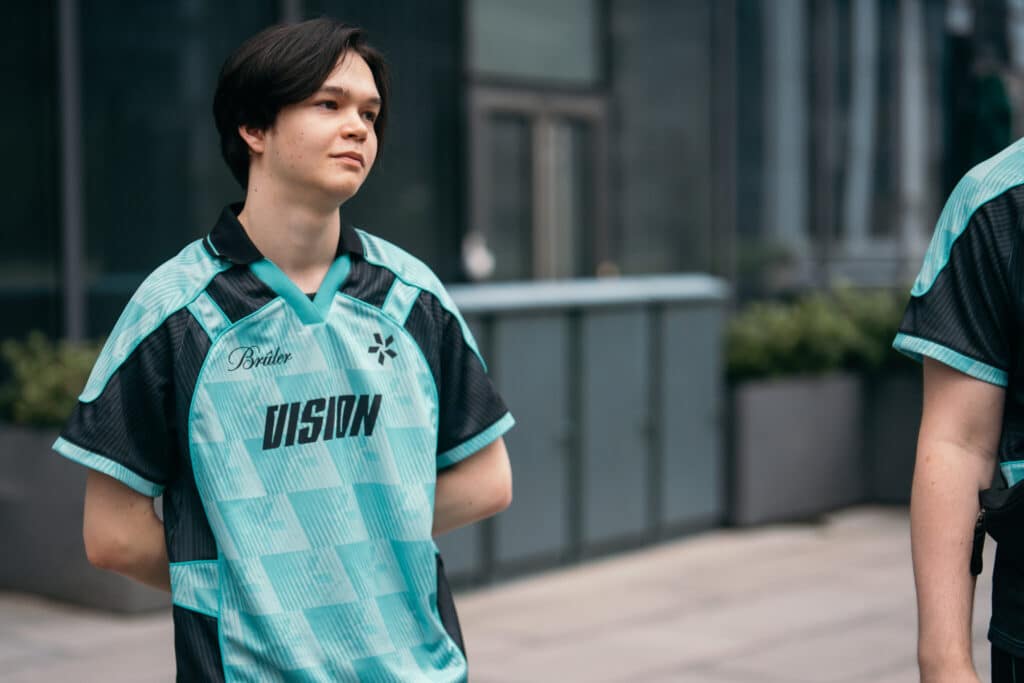
In summary, while Yatoro walked away with the title and maintains his legacy as the greatest of all time, Satanic’s year-long dominance makes him the standout carry of the season. A single loss in the grand finals does not diminish his incredible trajectory, and this experience will undoubtedly serve as motivation for his promising future.