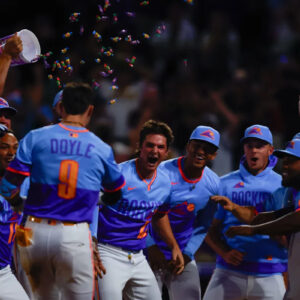
It has consistently appeared peculiar that FIFA is prepared to treat the World Cup as an experimental testing ground for updates to the Laws of the Game.
The sport’s most prestigious tournament is fiercely protected, increasingly so as the governing body’s brand takes center stage, yet every significant trial and adjustment is put into practice at the very pinnacle of the game.
Odd, perhaps, but it certainly reveals the surprisingly minimal respect that FIFA’s leading executives hold for their own crown jewel.
FIFA wields the most influential voice inside IFAB, the sport’s rule-making authority. Choosing to introduce fresh regulations and modifications during the World Cup is a deliberate decision.
Not every adjustment is introduced at the sport’s premier international event. That privilege is reserved for specific elements of the Laws of the Game where FIFA intends to emphasize a particular message.
The 2026 World Cup stood out as the tournament defined by FIFA’s poorly executed crusade against time-wasting—well-meaning in its concept but deeply flawed in its execution. Lower-league supporters understandably protest when new guidelines are trialed in matches of vital importance to them, yet FIFA’s eagerness to implement changes at the highest level is entirely deliberate.
In the end, FIFA simply pandered to the audience. Supporters have long detested time-wasting tactics, and solutions were hastily implemented to tackle the issue on the grandest stage of all.
To begin with, enforcing a five-second limit on throw-ins and goal kicks will inevitably unleash absolute mayhem. Just observe.
Nevertheless, these fresh updates to the Laws of the Game do attempt to address a component of play that supporters find truly exasperating. A vast number of spectators dislike time-wasting and overly complex set-piece routines, and the sport has taken steps to diminish their impact.
There is another issue that provokes annoyance among supporters. Strategic infractions can feel underhanded and contrary to the true spirit of play. Supporters generally do not want to see teams resorting to any means necessary to secure minuscule advantages.
A new beginning for Premier League officials?
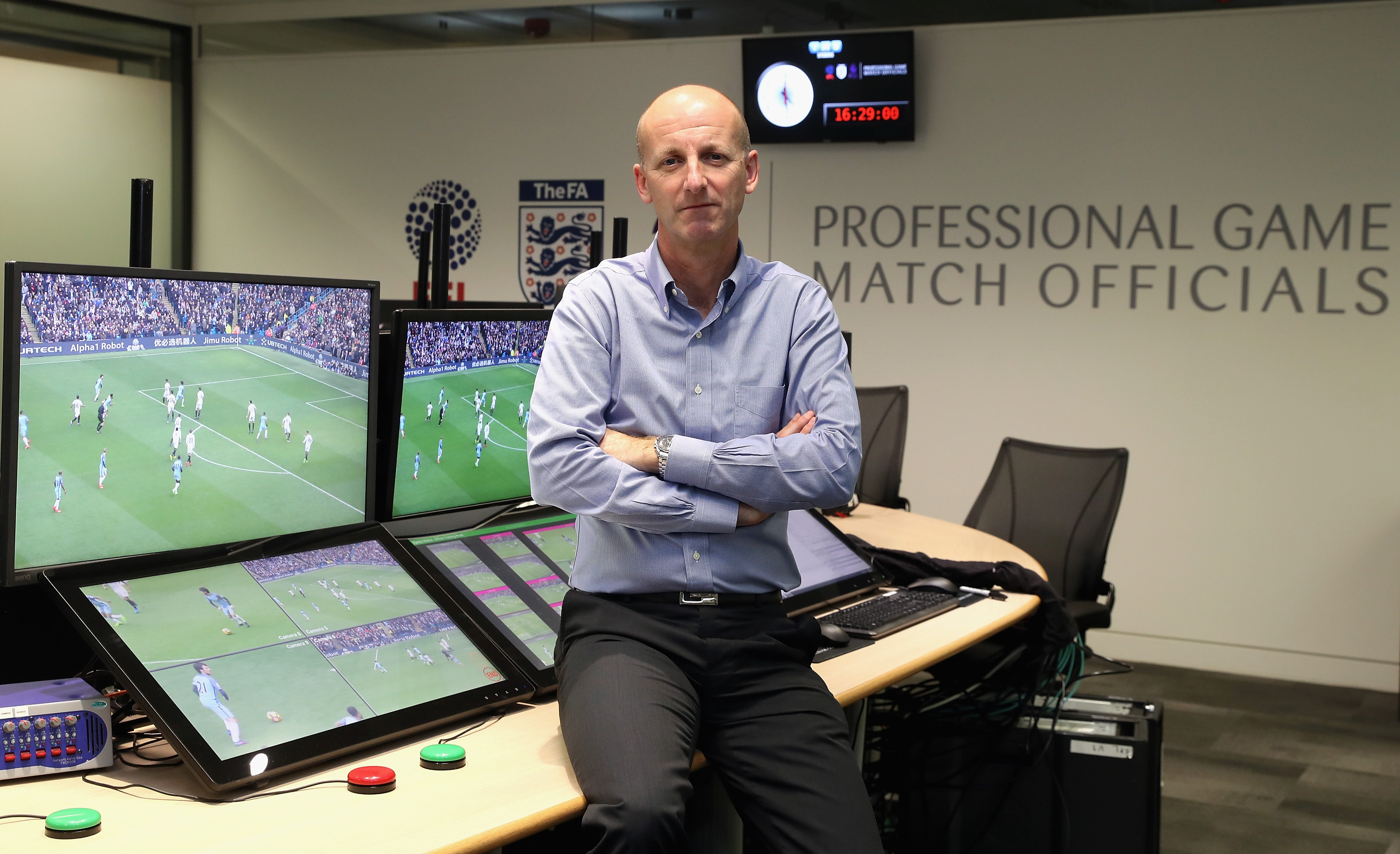
Intentional violations, delaying play, simulation, and prolonged medical stoppages can all be classified as strategic rule-breaking that ruins the natural flow and beauty of football.
While that represents the downside, the positive aspect is that it presents a distinct opportunity.
Despite the obvious posturing inherent in using FIFA’s World Cup as a testing ground for message-driven regulations, the current issue of concern was undoubtedly a problem that required attention.
With the launch of another Premier League campaign, top-flight officials would benefit from embracing the core philosophy of this strategy.
Match officials are a heavily targeted collective. The hostility directed at them is troubling enough on its own, but the true malice lies in how many supporters sincerely argue that they bring it upon themselves.
Even though English top-flight referees have been painted as contemporary villains, the small portion of responsibility they actually bear stems from their reluctance to employ the regulatory powers already available to them.
Officials do not require additional authority to manage issues like deliberate fouling, stall tactics, and diving until they actually enforce their current disciplinary measures and find them lacking.
Undoubtedly, the sport’s regulations address these situations far more effectively than the permissive standards of a typical Premier League match would lead one to believe.
Consider player dissent as an illustration: on the whole, supporters prefer that players refrain from spending the entire match berating the officials. This serves as a rare instance where the crowd actually aligns with the referees.
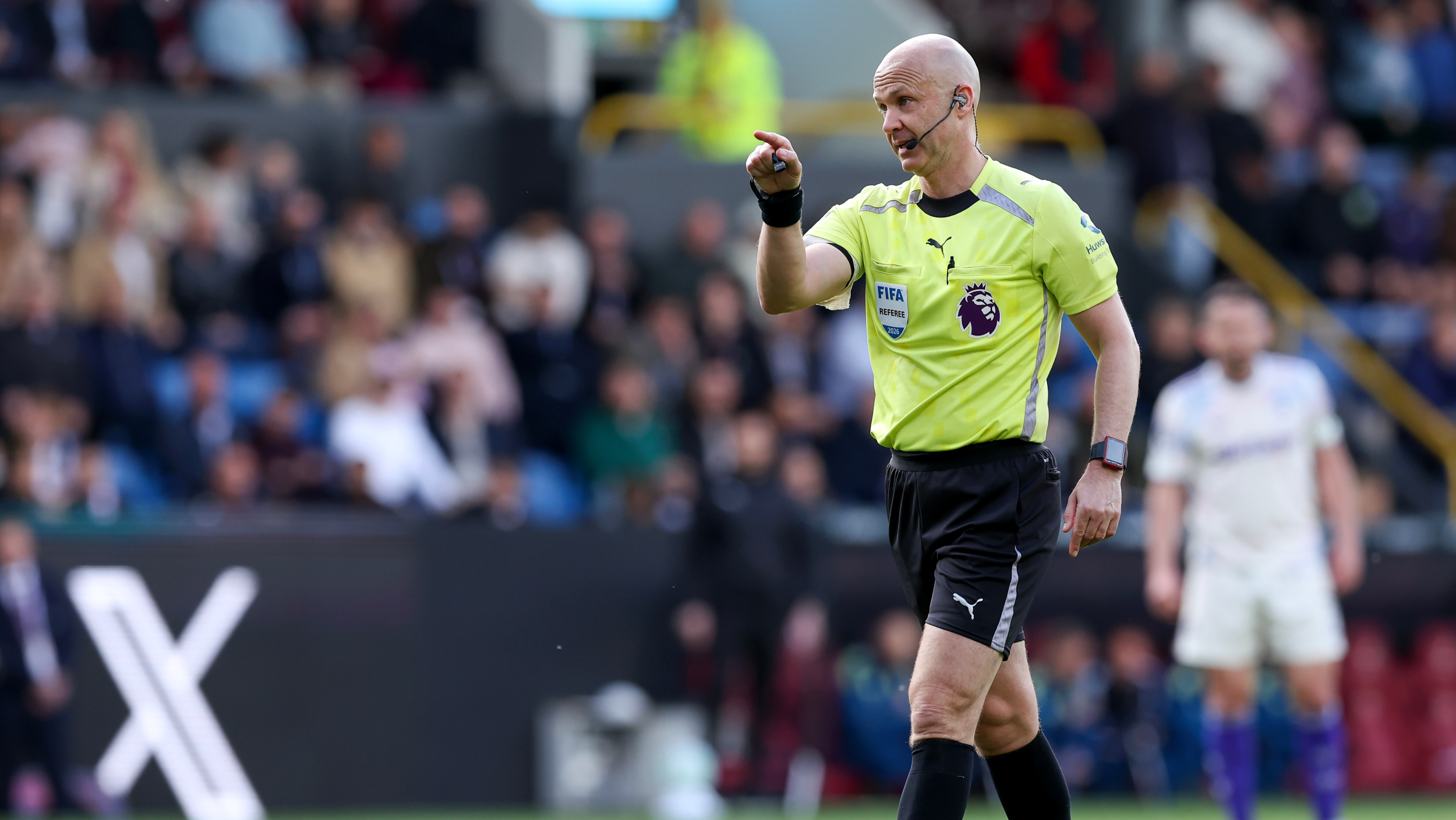
The majority of spectators understand exactly where the boundary lies, yet players repeatedly step over it with absolute impunity.
There has never been a more opportune moment for Premier League referees to win over the public by cracking down on the behaviors that frustrate everyone involved.
The acronym for the Professional Game Match Officials Limited has been transformed by social media users into a symbol of perceived corruption, extending far beyond the standard biases that favor elite teams.
Although PGMOL has undergone a rebranding to Pro Ref, genuine transformation can only manifest through their actions on the field.
Eradicating a few tactical elements of misconduct would be far more impactful than simply altering the organization’s name. Then again, any positive shift would likely be attributed by certain cynics to the departure of Anthony Taylor.