In an effort to resolve an ongoing fuel system issue, the McLaren Formula 1 squad has modified several external elements surrounding the Mercedes engine in Lando Norris’s car.
A fortnight ago in Baku, McLaren struggled heavily to match the top speeds of Mercedes on the long straightaways, despite utilizing the same power units. Although inherent aerodynamic flaws and engine management setups accounted for a portion of the gap, Norris faced a severe deficit in maximum velocity during qualifying due to what the team diagnosed as a fuel injection glitch. This trouble resurfaced periodically during the Grand Prix, minorly affecting Oscar Piastri as well, and went on to disrupt the team’s weekend at the subsequent race in Malaysia.
Reports indicate that McLaren opted to swap out several ancillary parts connected to the engine assembly—including the fuel delivery setup, which is developed by the team itself rather than supplied by Mercedes—prior to the opening practice session in Singapore to settle the matter.
“I’m optimistic, though we first have to run on the circuit to evaluate the improvements,” Norris remarked on Thursday.
“It has been a highly annoying couple of weeks attempting to diagnose the source of our continuous deficit in straight-line velocity and overall performance. Given how tight the field is currently, losing those fractions of a second dropped me two or three places on the grid in the previous two qualifying sessions, which has been a massive setback.”
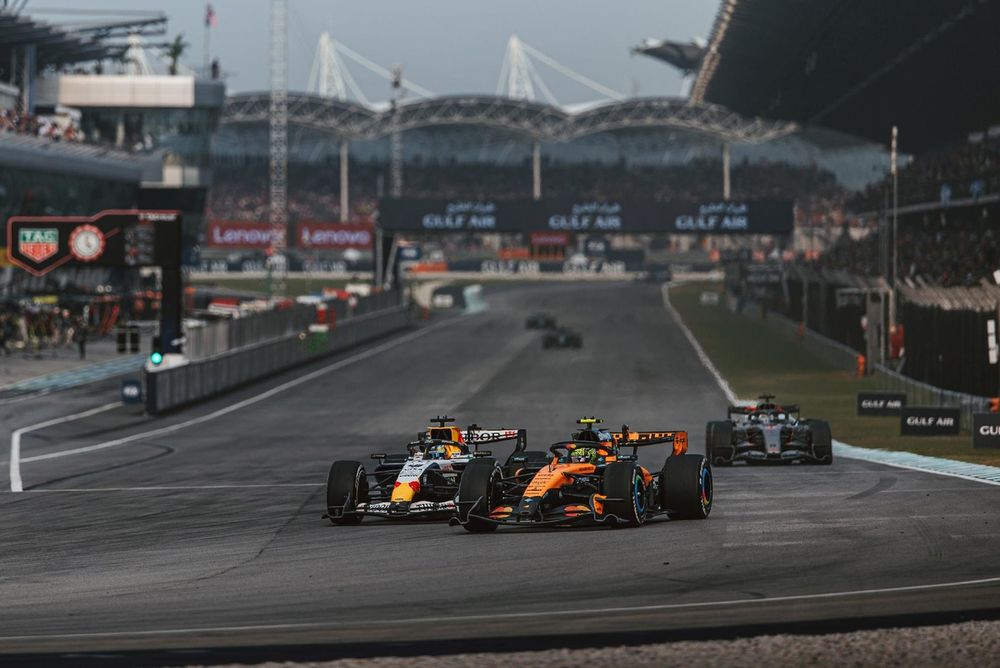
Photo by: Liam Fabre
Although the Marina Bay layout in Singapore does not heavily penalize lower engine power compared to other tracks, the razor-thin margins among the leading four teams mean McLaren cannot afford to compromise on performance. Consequently, the first practice session will serve as a crucial test to verify if their fuel delivery troubles have been successfully cured.
“Clearly, this track doesn’t place a massive premium on straight-line speed, making it less punishing than the venues we just raced at,” the driver noted. “Even so, you still expect to maximize your velocity on the straights, and it is incredibly disheartening when you exit a turn perfectly only to watch rivals pull away from you.
“Equally, there are areas where I can elevate my own performance. That said, I have full faith in the crew’s efforts; they have invested a massive amount of energy into resolving these issues, and I hope we will see the benefits this weekend. Ultimately, though, we won’t know for sure until we put the car through its paces on the track.”
On a broader scale, this event represents a vital trial for McLaren to determine if their inexplicable drop-off in Malaysia was merely an anomaly. While the Malaysian track was anticipated to play perfectly to the strengths of the MCL40, the team slumped to become only the fourth-fastest outfit, an issue that may have stemmed from how the chassis’ aero package handled the highly abrasive asphalt.
Your feedback matters to us!
Share your thoughts on what content you would like us to provide moving forward.
Participate in our survey
– The Autosport.com Editorial Staff